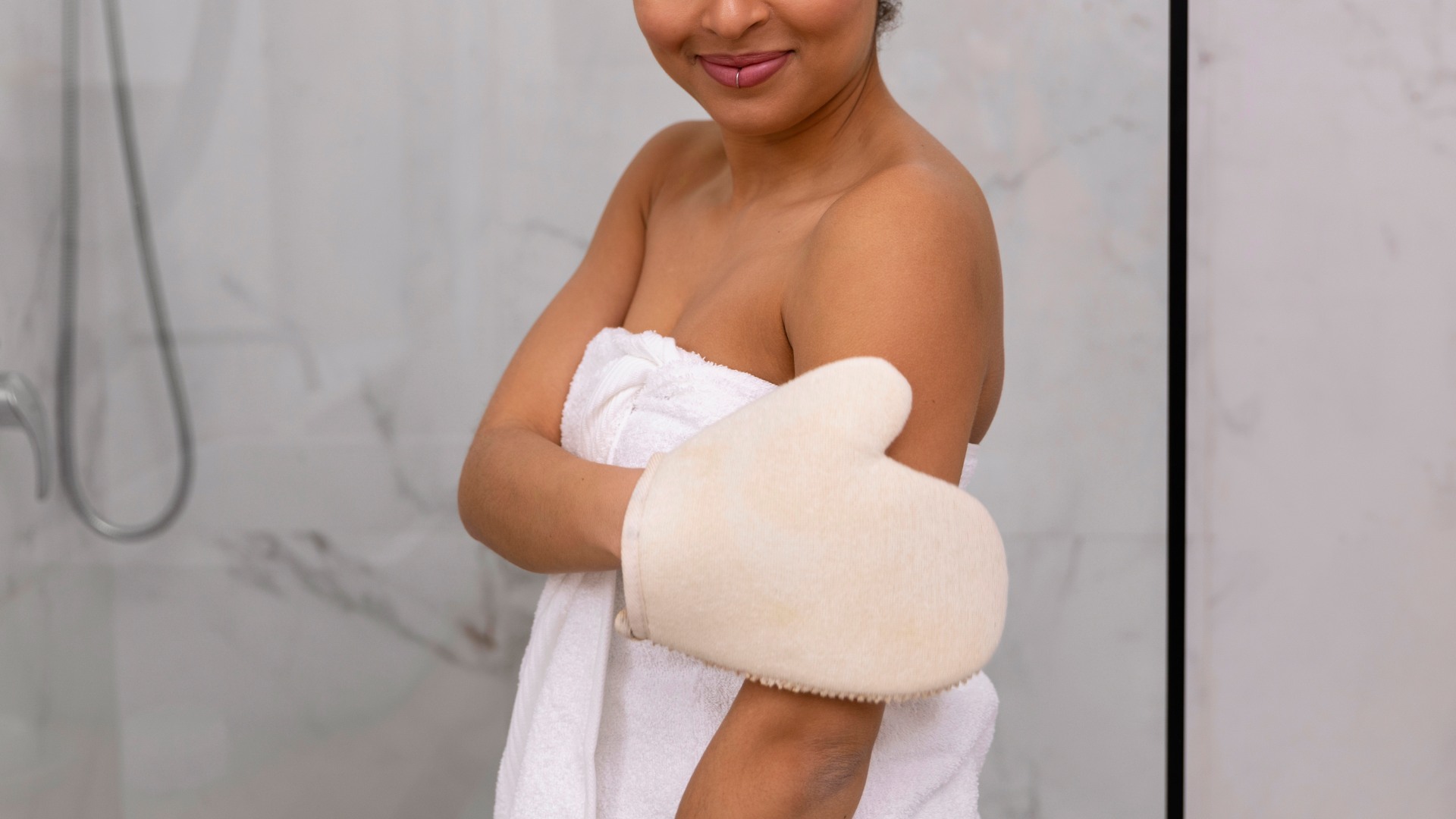
An essential accessory in many bathrooms, the washcloth is part of a deeply ingrained routine. But is it really cleaner than simply washing by hand? Expert opinions shed some light on the subject, from exfoliation and bacteria to washing frequency.
The washcloth: a potential breeding ground for bacteria
A washcloth is a damp textile, often left in a warm environment like the bathroom. Moisture promotes the growth of microorganisms. According to the Centers for Disease Control and Prevention (CDC) , damp textiles can become breeding grounds for bacteria and fungi if they are not properly dried and washed regularly.
Dermatologists interviewed by the American Academy of Dermatology also point out that bath accessories (washcloths, loofahs, sponges) can accumulate bacteria, dead skin cells, and soap residue. This doesn't mean that the washcloth itself is dangerous, but that it requires rigorous hygiene.
Is it more effective than the hand?
From a dermatological perspective, washing with your hands and a mild cleanser is generally sufficient to remove dirt, sweat, and excess sebum. The American Academy of Dermatology specifies that excessive use of abrasive tools can weaken the skin barrier, especially in people with sensitive skin or those prone to eczema. However, a washcloth can have a mild exfoliating effect, helping to remove dead skin cells. This effect is purely mechanical and depends on the type of fabric used.
The real problem: drying
The determining factor in hygiene is drying. A washcloth left crumpled in the shower will remain damp for a long time, creating a breeding ground for bacteria. General recommendations for household laundry emphasize two essential points:
- Allow the textiles to dry completely between each use
- wash them frequently at an appropriate temperature
A washcloth used daily should ideally be changed several times a week. Some dermatological recommendations even suggest washing it after each use, especially in cases of sensitive skin or skin lesions.
Beware of skin infections
In rare cases, a poorly cared-for bath accessory can contribute to minor skin infections, including folliculitis (inflammation of the hair follicles). These infections occur when bacteria penetrate the skin. The Mayo Clinic notes that folliculitis can be linked to bacteria found in moist environments. Again, the risk depends primarily on how well the textile is cared for, not on how often it is used.
Should we stop using gloves?
There is no official recommendation prohibiting the use of a washcloth. Its use can remain compatible with good hygiene, provided certain simple rules are followed:
- Rinse it well after each use
- wring it out thoroughly
- Let it air dry in a well-ventilated area
- wash it frequently at high temperature
People with very sensitive skin, prone to irritation or repeated infections, may prefer hand washing, which is gentler and less abrasive.
What dermatologists say
Experts emphasize the importance of moderation. The skin has a natural microbiome, made up of beneficial microorganisms that contribute to its balance. Overly aggressive or frequent cleansing can damage this protective barrier. The American Academy of Dermatology recommends using a gentle cleanser, avoiding excessive rubbing, and limiting showers that are too long or too hot. In this context, a washcloth is neither essential nor inherently problematic: it all depends on how it is used and cared for.
In short, using a washcloth in the shower isn't inherently unhygienic. The real issue lies in its care. For a healthy routine, it's best to prioritize thorough drying and regular washing. If that's not possible, simply washing with your hands and a suitable product remains an equally effective option and is often gentler on the skin.