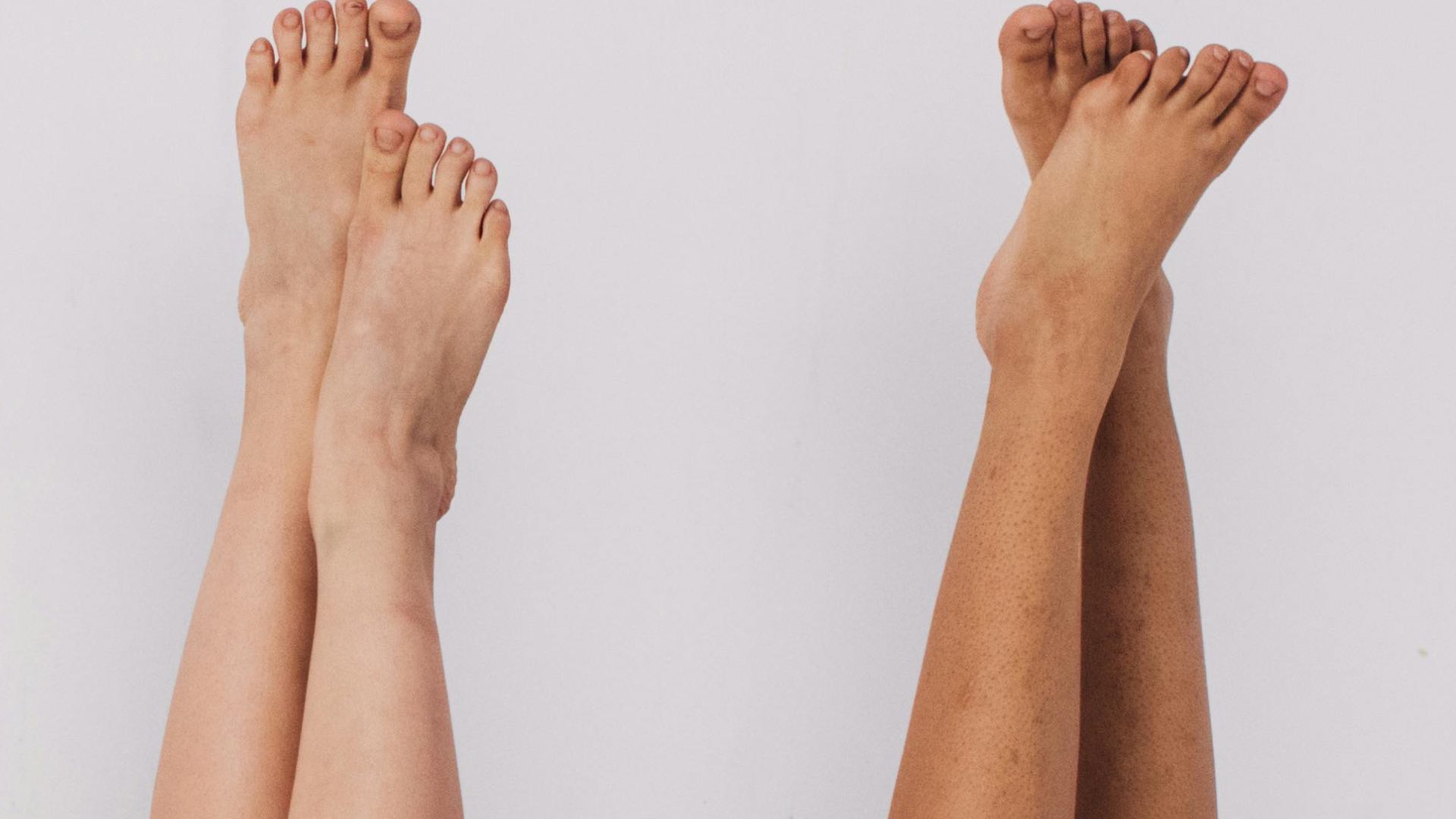
Lying on her back with her legs vertical against a wall: the "Viparita Karani" pose has racked up millions of views on TikTok. Presented as "a quick antidote to stress and heavy legs," it seems simple, accessible, and almost magical: but is it really suitable for all body types and all health situations?
A yoga pose that went viral
Viparita Karani, literally "legs against the wall," is a posture from traditional yoga. It's a gentle inversion: you lie on your back and place your legs above heart level, resting against a wall. Unlike more technical postures such as shoulder stand, this one is considered passive and more accessible.
On social media, it's often described as an essential wellness ritual. Ten minutes a day is supposedly enough, according to some videos, to boost circulation, relax the nervous system, and offer an immediate feeling of lightness. The image is appealing: you, your mat, a wall, and a moment to reconnect with your body.
@unefilleensweat Do you know the benefits of elevating your legs against a wall? Especially after walking all day, it really helps! #wellness #heavylegs #lightlegs #waterretention #digestion #bloodcirculation ♬ Aesthetic - Tollan Kim
A boost for heavy legs
From a physiological point of view, the idea isn't absurd. By elevating your legs, you use gravity to facilitate venous return, that is, the flow of blood back to the heart. After a long day standing or sitting, this can help temporarily reduce swelling and discomfort.
Medical institutions like the Cleveland Clinic point out that elevating your legs can temporarily relieve the feeling of heavy legs. However, this is a comfort measure, not a medical treatment. The posture may provide a pleasant sensation, but it does not replace treatment for persistent circulatory problems. Your body sometimes appreciates these simple breaks. Giving it a few minutes lying down can make a difference.
The real secret: breathing
The "wow" effect often reported after this pose doesn't come solely from the leg position. It's largely linked to the context in which you practice it: calm, silence, deep breathing.
Slow, controlled breathing activates the parasympathetic nervous system, which is responsible for relaxation. Research reported by the American Psychological Association shows that deep breathing exercises can reduce stress and promote calmness.
In other words, it may not just be the wall that relaxes you, but the act of giving yourself a moment of conscious pause. The posture then becomes a reassuring framework for slowing down, listening to your breath, and releasing tension.
A stance that doesn't suit everyone
Despite its apparent gentleness, the Viparita Karani is still an inversion. And inversions, even slight ones, are not recommended for everyone. Certain inverted positions can temporarily increase intraocular pressure.
- People suffering from glaucoma, for example, should therefore avoid this type of posture or seek medical advice.
- Similarly, in cases of uncontrolled hypertension, heart disease, or cervical problems, it is best to consult a healthcare professional before practicing regularly.
If you experience discomfort, unusual pressure in your head, neck pain, or dizziness, don't ignore these signs. Your body is trying to tell you something: listening to it is an act of self-respect.
In short, the "legs up the wall" pose can be a little ritual to ease the strain on your legs and calm your mind. However, like any wellness practice popularized online, it deserves to be considered within its context. What works for one person won't necessarily work for another. Rather than blindly following a trend, adapt it to your own needs. If this pose makes you feel good and your health allows it, enjoy it to the fullest. Otherwise, there are countless other ways to take care of yourself.