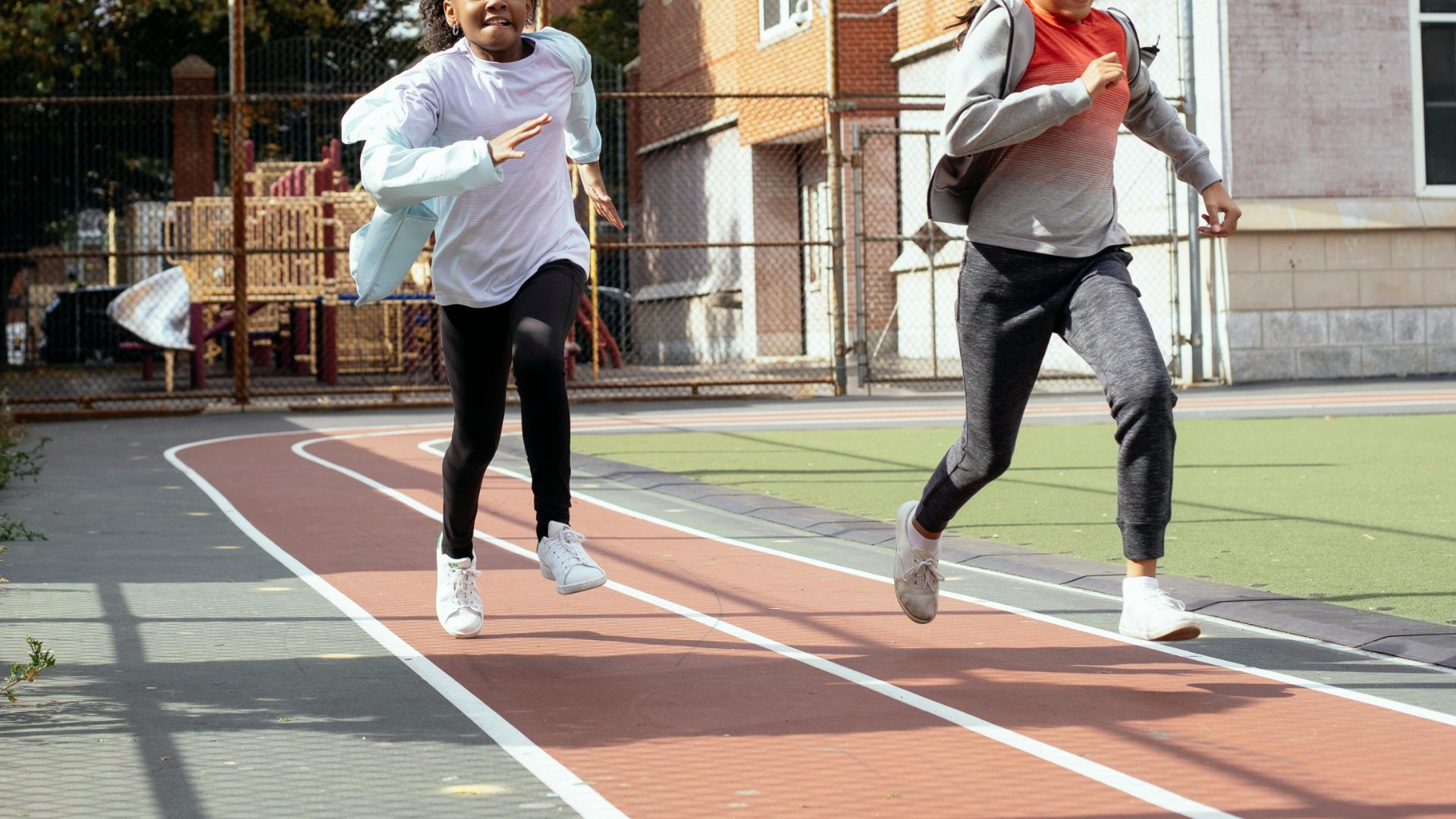
Playing sports should be synonymous with pleasure and well-being. Yet, for many teenage girls, the experience becomes a source of stress and discomfort. In France, as internationally, a worrying trend is emerging: girls are gradually withdrawing from physical activity as they grow older.
When the body becomes an obstacle
Puberty is a time of intense transformation, and the adolescent body can sometimes feel uncomfortable. In France, 63% of teenage girls admit to feeling self-conscious about their appearance, a major obstacle to participating in sports. This reality is not unique to France: in the United Kingdom, 43% of girls stop playing sports, citing similar reasons, ranging from body image issues to menstruation, not to mention the fear of judgment from others.
On the other side of the Atlantic, a Canadian study reveals that one in three teenage girls gives up sports by the age of 16. The reasons are the same: physical changes, but also a lack of inspiring role models and appropriate guidance. These figures serve as a reminder that the relationship with the adolescent body is a universal issue that deserves attention and compassion.
Lifestyles that stifle the desire to move
Beyond concerns about physical fitness, time constraints present another obstacle. More than half of French teenage girls (57%) report that their busy schedules leave little room for sports. American studies confirm this trend: girls from less privileged backgrounds are twice as likely to stop playing sports as their male counterparts, due to a lack of time, accessible facilities, or family support.
Late hours, long journeys, and a lack of sports facilities designed for them make participation difficult, even discouraging. This observation demonstrates that the barrier is not only psychological: it is also logistical and social.
The gaze of others: a universal burden
In the locker room as well as on the field, judgment can be paralyzing. In France, 40% of teenage girls report feeling humiliated by the way others look at them. In the United Kingdom, this feeling rises to 68%, amplified by the standards promoted on social media.
In Canada, some young girls choose to quit team sports simply to avoid "exposing their bodies" or being mocked by their peers. This social pressure, combined with the fear of being judged by others, contributes to creating an environment where sport ceases to be a pleasure and becomes a source of anxiety.
Fatigue and sports burnout
Around the world, teenage girls seem to be following the same path: the increasing demands of school, social life, and digital technology leave little room for sports. When practiced competitively, it can even generate additional stress. Young women of color or from disadvantaged backgrounds face even more obstacles, exacerbating their disengagement from sports and its consequences for their physical and mental health.
Solutions that are changing the game
Faced with this situation, several initiatives are proving encouraging. The MGEN-Kantar study notably recommends suitable hours (5-7 pm), conveniently located facilities, flexible sessions, and supportive supervision. These ideas are finding resonance elsewhere in the world:
- In Canada, the "She Plays" program offers non-competitive activities focused on fun and self-confidence.
- In the UK, "This Girl Can" helps teenage girls reconnect with sport without performance pressure.
- In Australia, "Girls Make Your Move" aims to reduce dropout rates by making sport inclusive and visible.
These initiatives show that with listening and adaptation, it is possible to give teenage girls back the desire to move, while respecting their rhythm and their bodies.
A public health emergency
The decline in teenage girls' interest in sports is not simply a passing fad: it impacts both physical and mental health. Less physical activity leads to increased sedentary behavior, a risk of weight gain, menstrual problems, as well as anxiety, isolation, and a loss of self-confidence. In France, nearly one in two girls stops participating in sports between the ages of 13 and 18. Globally, the WHO estimates that 84% of adolescent girls do not meet the minimum physical activity recommendations.
Giving teenage girls back the joy of movement is therefore not just a matter of performance: it's about health, well-being, and self-confidence. With tailored solutions, it's possible to transform sports into a positive, accessible, and liberating experience for all.