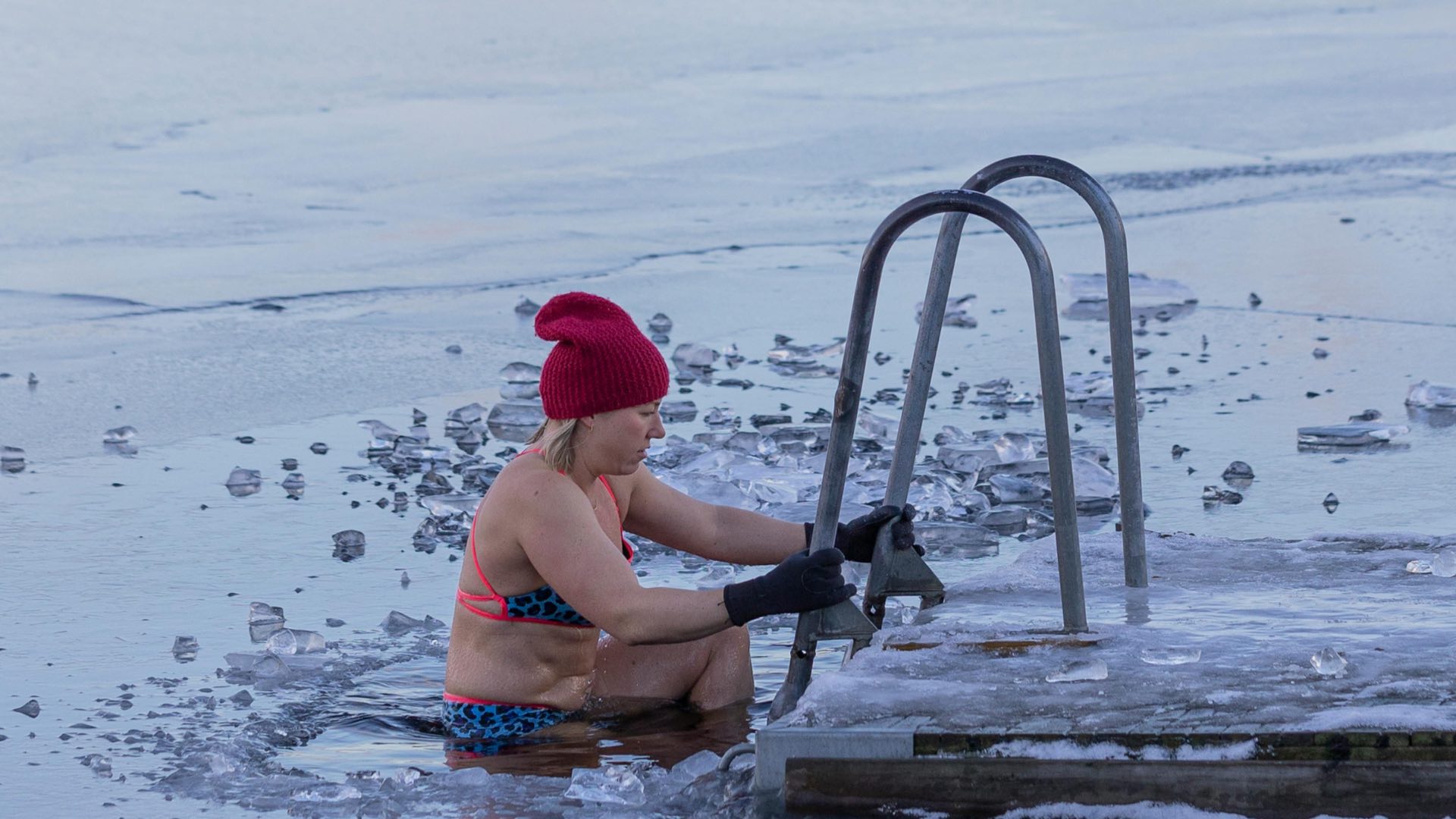
Do you find it daring to plunge into 10°C water first thing in the morning? On social media, ice baths have almost become a ritual. Presented as a boost for body and mind, they are as appealing as they are perplexing. So, are they just a fad or a genuine wellness ally?
Why such enthusiasm?
Ice baths, also known as cold water immersions, involve immersing your body in water that is generally between 10°C and 15°C, sometimes less, for a few minutes. Long reserved for elite athletes, this method was primarily intended to promote muscle recovery after intense exertion.
Today, the practice has become widely democratized. Popularized in particular by the Dutch co-author Wim Hof, famous for his voluntary exposure to cold (nicknamed "the Iceman"), it is associated with many promises: stimulated blood circulation, strengthened immune system, better stress management, tenfold energy.
On social media, enthusiasts describe a feeling of mental clarity and an almost electrifying vitality after immersion. It's a powerful image that inspires people to test their own limits, but experts remind us that not all claims are based on solid scientific evidence.
@sachaborg_ Taking an ice bath every morning of January, day 6/31 🧊 Ice, there was ice, is everyone taking note? See you tomorrow for day 7 (January is going by so slowly or what) contest rules: follow my account and @Icepiration ♬ original sound - Sacha Borg
Recognized benefits for recovery
The area where the evidence is most consistent concerns muscle recovery. Several scientific studies indicate that immersion in cold water can alleviate muscle soreness after intense exercise, compared to simple rest.
The mechanism is physiological: cold causes vasoconstriction, meaning a narrowing of the blood vessels. When the body warms up, the vessels dilate again. This alternation could help limit inflammation and muscle micro-tears associated with exertion.
That said, everything depends on many factors: exposure time, precise water temperature, and the type of activity. Therefore, it's not a universal formula, but a tool to be adapted to your specific context and needs.
A possible effect on stress and mood
Beyond the physical effects, the impact on the mind is intriguing. Some research suggests that regular exposure to cold could influence the autonomic nervous system. Cold water strongly stimulates skin receptors, leading to an increase in norepinephrine, a neurotransmitter involved in alertness and mood regulation.
The result? A feeling of intense alertness, a surge of energy, sometimes described as a "mental reset." Some studies even suggest a potential antidepressant effect. However, the samples remain limited, and researchers urge caution. Your body is unique, as is your sensitivity to cold; what energizes one person may destabilize another.
Immunity: be wary of promises
Boosting the immune system is one of the most frequently cited arguments. A study conducted in the Netherlands observed that participants taking daily cold showers reported fewer sick days.
However, this research does not directly demonstrate a decrease in infections, but only a reduction in reported absenteeism. This distinction is important. To date, there is no solid evidence to suggest that ice baths effectively protect you against illness.
Risks that should not be overlooked
The aesthetic image of immersion in an icy lake should not obscure the physiological reality. Sudden exposure to cold can cause thermal shock, a sudden rise in blood pressure, and, in vulnerable individuals, cardiovascular complications.
Health authorities recommend that people with heart, respiratory, or circulatory problems consult a healthcare professional before engaging in this activity. The World Health Organization also reminds us that hypothermia can occur rapidly with prolonged exposure. Your well-being is not measured by your ability to withstand extreme conditions.
The moral of the story is that ice baths are neither a miracle cure nor a bad idea. As is often the case with wellness, the most effective approach remains gradual, tailored, and informed. Listening to your body, respecting your limits, and seeking medical advice if necessary are essential reflexes. The trend is undeniably fascinating, but your well-being deserves better than a simple viral challenge: it deserves attention, nuance, and respect.