Swiping, matching, ghosting… the vocabulary of love sometimes resembles that of a digital platform. Behind these new codes lies a real societal question: do modern encounters truly liberate us, or are they gradually transforming relationships into an ultra-fast market?
When feelings take on the rhythm of apps
The expression "uberization of feelings" refers to the idea that dating is increasingly functioning as an on-demand service. With a few taps, you browse profiles, exchange a few messages, and then move on to the next. Dating apps have thus facilitated large-scale encounters, which can be positive: more possibilities, more diversity, more opportunities to meet people outside your usual circle.
However, this system has also instilled new reflexes: comparing quickly, choosing quickly, switching quickly. Humans (especially women) can then give the impression of becoming interchangeable, as if we were flipping through a catalogue rather than discovering a personality.


Romantic freedom… or new pressure?
For a long time, popular culture presented this model as synonymous with independence. Casual dating, freedom of choice, emotional autonomy: on paper, the idea is appealing. For some people, this type of relationship truly corresponds to their desires and can be experienced in a healthy and fulfilling way.
For others, however, a more subtle pressure has taken hold: to appear detached, not to show too much emotion, to remain available without ever seeming too involved. In other words, freedom can sometimes become the new norm. And when a norm becomes the norm, it no longer quite resembles a choice.
The vast gap between fantasy and reality
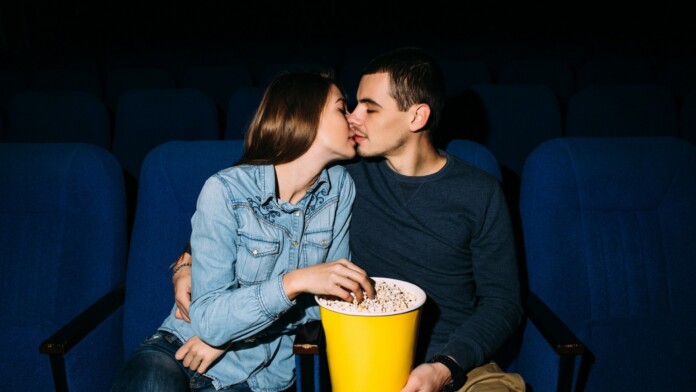
One only needs to watch romantic series to notice an amusing detail: the characters rarely meet via an app. They cross paths in a cafe, at a party, unexpectedly.
This staging reveals something: many people remain attached to the idea of a spontaneous, unpredictable, almost magical encounter. Not because digital technology is inherently bad, but because human chemistry often transcends the confines of a profile. A carefully chosen photo, an effective bio, and three well-crafted messages never fully capture a person.
When flirting changes terrain
App fatigue sometimes pushes certain behaviors towards other spaces. Networks designed for work, like LinkedIn, sometimes become impromptu flirting grounds.
This shift primarily reveals relational fatigue: when one space ceases to meet expectations, other areas are occupied. It also raises the question of respecting contexts and boundaries, particularly for those who simply wish to work in peace. Not everything is meant to become a playground for flirting.


Slow dating, the return of taking things slow
Faced with this acceleration, a trend is gaining ground: slow dating . The idea? To take the time to talk, get to know the other person, and prioritize quality over quantity.
Here, there's no race for performance or pressure to impress. Conversation, curiosity, and genuine compatibility are valued more than immediate attraction. Slow dating isn't a step backward. It's more of a modern way to bring meaning back to relationships and regain control over your emotional pace.
To each their own rhythm of love
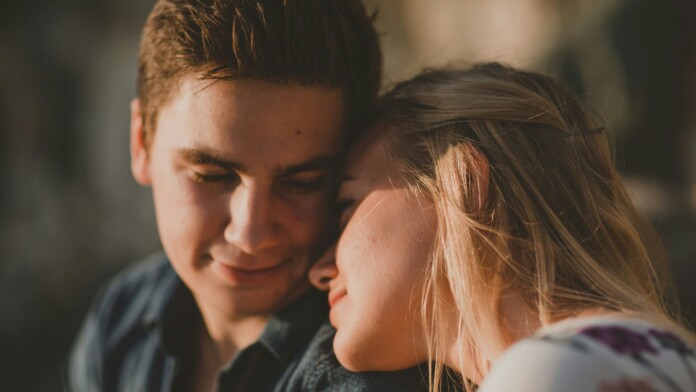
It's important to remember: there's no single right way to love or meet someone. Some people love dating apps, others avoid them. Some prefer casual relationships, others seek deep commitment. Still others are perfectly happy being single. Perhaps the real issue isn't technology, but the freedom to choose what truly suits you.
Ultimately, the "uberization" of emotions is neither a "total catastrophe" nor a "perfect revolution." It's a transition, with its opportunities and limitations. And behind all the algorithms, one need remains unchanged: to be seen, respected, and appreciated for who you are, not just for what you project.