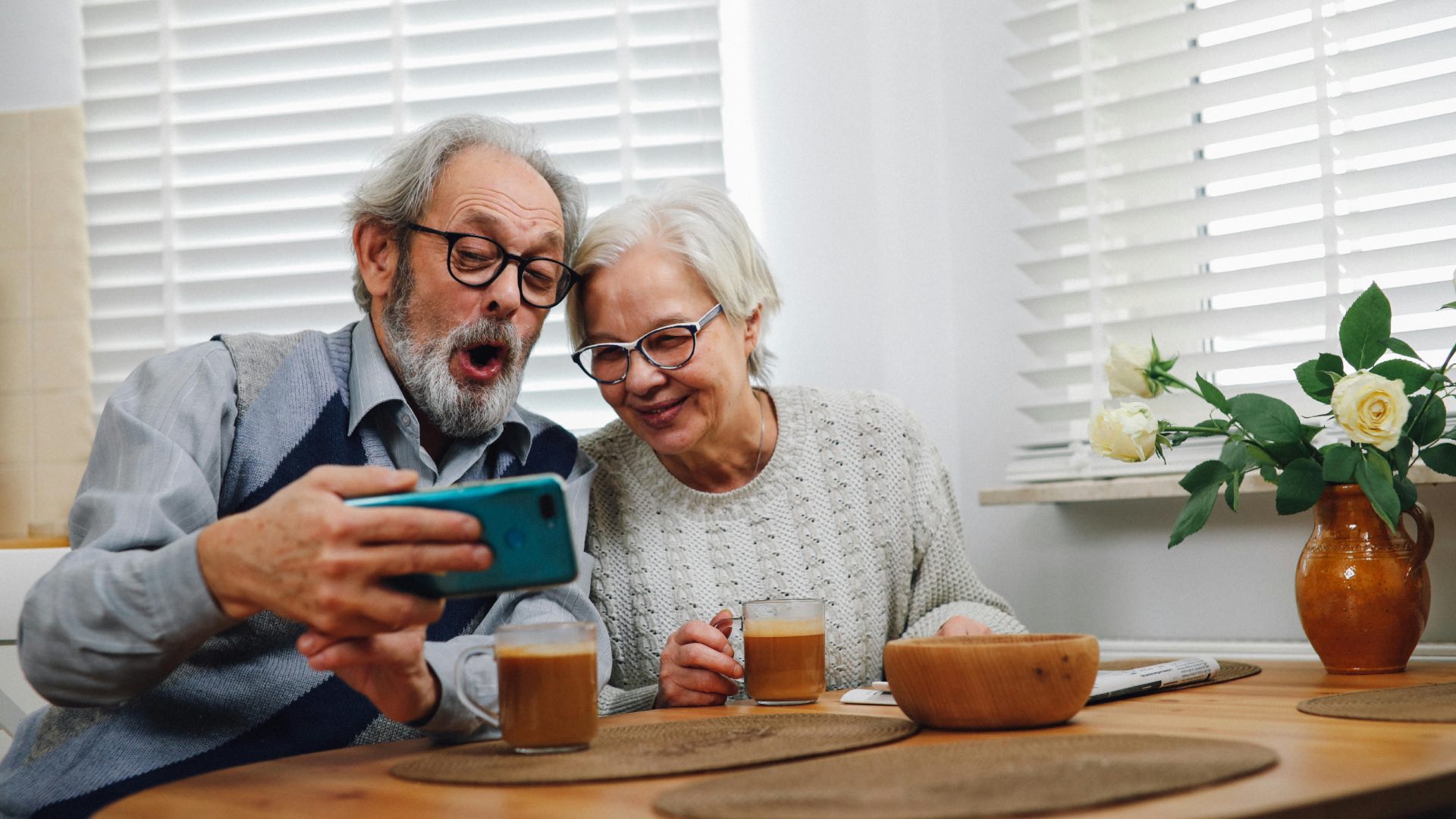
They are sometimes perceived as outdated, a bit "old-fashioned." Yet, baby boomers continue to surprise younger generations. Between fascination, amusement, and inspiration, their lifestyles are slowly returning to the forefront , offering an unexpected alternative to an ultra-connected world.
Slower communication… but more personal
Baby boomers clearly don't have the same approach to communication as generations accustomed to instant messaging. Where some send a string of texts without punctuation or filled with innuendo, they prefer short, structured, sometimes very formal messages.
This style may seem rigid or unconventional. Yet, it also reveals a particular attention to words, tone, and clarity. Their telephone and face-to-face conversations, still very common, offer a quality of listening that is increasingly intriguing. In a world where everything moves quickly, this way of communicating can seem almost luxurious: taking the time to truly talk, without distractions.
Face-to-face interaction, a surprising value
Another striking habit is the importance placed on "real-life" meetings. A coffee, lunch, a planned screen-free moment... For baby boomers, this remains the norm.
For generations accustomed to voice messages, video calls, and rapid communication, this preference may seem restrictive. It is also perceived as a sign of genuine care. Making oneself available, seeing each other, sharing a moment without interruption: these simple gestures now take on an almost precious dimension. A way to rebuild connection where everything can become virtual.
Simple hobbies… are back in style
What was once considered commonplace or outdated is now making a strong comeback. Knitting, gardening, board games, outdoor walks, and crafts: these are all leisure activities that baby boomers never really abandoned.
While younger generations seek to "disconnect," they realize that these practices already existed, long before meditation apps or digital detox challenges. These activities have one thing in common: they reconnect us to our bodies, our natural rhythms, and the pleasure of doing things without pressure. And this is increasingly appealing, fostering a kind and positive approach to self-care.
A link to work that raises questions
Baby boomers are often associated with a strong culture of hard work and quality. This vision can seem strict, sometimes even a little rigid. It also inspires a certain respect. Many younger generations today seek to recreate this sense of stability through routines, personal goals, or wellness practices. Behind this rigor lies a certain consistency, an ability to commit over the long term. A quality that inspires, even if it is expressed differently today.
Respecting boundaries, an unexpected model
Perhaps one of the most surprising aspects is that baby boomers know how to set boundaries. Defined schedules, respected rest time, the ability to say no without excessive guilt… In a context where constant availability has become the norm, this attitude is striking. It evokes a kind of almost instinctive balance, far removed from the pressure to perform or from hyperconnectivity. Learning to protect oneself, to listen to one's needs, to respect one's own rhythm: these principles resonate today with concerns surrounding well-being and mental health.
Between curiosity and reinvention
Younger generations no longer simply smile at these habits. They observe them, draw inspiration from them, and adapt them in their own way. Fashion, music, leisure activities, ways of communicating… Many of these codes are making a comeback, revisited with a contemporary twist.
Ultimately, baby boomers appear as a living memory of lifestyles that never truly disappeared. And while some of their habits may seem surprising today, they could very well become commonplace tomorrow. This shows that taking care of one's rhythm, relationships, and body is anything but outdated.