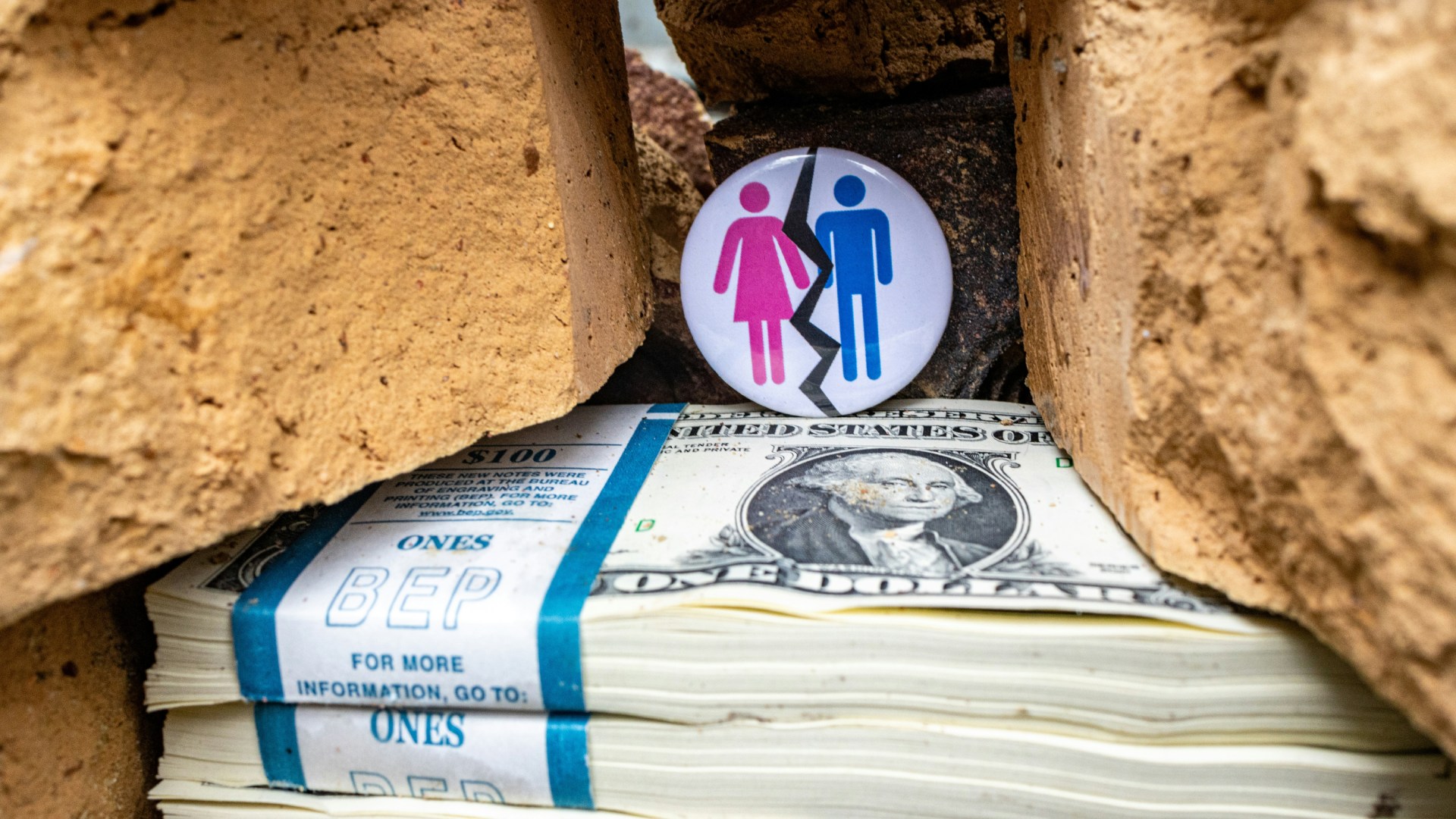
Women are often accused of being spendthrifts. However, if they find themselves in debt at the end of the month, it's not because of impulsive purchases made while window-shopping, but because of their gender and the standards that come with it. Subject to the "pink tax," which inflates the prices of products marketed to them, they constantly have to reach into their wallets. Being a woman is a real financial drain.
The pink tax, a silent discrimination
According to outdated stereotypes, women aren't meant to be in charge of finances. They waste their money on frivolous things and spend recklessly. If you believe these sexist clichés , they max out their credit cards at every shop window they see and can't stick to a budget. After all, it's a well-known fact that women aren't good at math. However, in reality, these women are far from misusing their bank accounts.
If they sometimes find themselves on the verge of being exposed, it's not because they've traded their money for a pair of designer heels or a new handbag. It's primarily because they face blatant economic discrimination. They are victims of the "pink tax ," which forces them to pay more for a haircut or a shampoo with gendered packaging that promises long, silky hair.
Thus, as a result of this tax, which in itself illustrates inequality, women pay more than men for equivalent services or products. A razor, simply because it has a more sophisticated design and a Barbie-like color, costs several cents more than one with a picture of a man in the background. Dry cleaning services are also priced lower for women, as are haircuts, which vary by a factor of two depending on gender. They have to foot the bill for these societal dictates, receiving 21.8% less than their male counterparts on their paychecks.
The cost of the rules is unaffordable.
While most forms of contraception are covered by insurance, menstrual hygiene products represent a significant expense for women. They are often considered a luxury, especially for those seeking high-quality, body-friendly options. They must pay a high price for a biological reality they did not choose. Estimates suggest that menstruation costs €675 per year, totaling €23,500 over a lifetime. With that kind of money, they could buy a new car, pay off their mortgage, or even realize their dream of starting their own business.
Several organizations are mobilizing to distribute sanitary pads for free, much like others do with meals, thus highlighting a perceived "privilege." And this doesn't even take into account all the "extras" associated with menstruation—the additional costs of managing the symptoms that accompany periods. Hot water bottles, comfort blankets, patches… none of these accessories are covered by health insurance.
View this post on Instagram
Security-related expenses
Going out at night is a budget drain, and not just because women order endless cocktails or appetizer platters, but because they overwhelmingly choose taxis instead of public transport, even though they pay for a monthly pass. And no, it's not a "princess's whim," as some men insist. They prefer to get home safe and sound by paying for a private driver rather than risking their lives on free public transport. Considering that a taxi ride in major cities costs around thirty euros on average, it definitely makes a dent in their bank account.
Women, subjected to a hostile urban environment, are also settling in safe neighborhoods where rent is well above average. Many are investing in self-defense classes, not for pleasure, but as a precaution, to defend themselves against danger. For the same reason, they spend more on pepper spray than on expensive perfumes and invest not in lipstick, but in warning whistles and sharp keychains.
The penalty of motherhood
In the professional world, men are the "kings." With greater recognition and opportunities for advancement, these gentlemen enjoy unblemished careers, while women are on the brink of elimination. When they become pregnant, it's a bit like "back to square one." According to the French National Institute for Demographic Studies (INED), the arrival of their first child can cause women to lose 30% of their income in the long term.
When you combine the pink tax, period-related costs, security, and maternity penalties, the conclusion is clear: being a woman is expensive. And we're not talking about frivolous purchases or unnecessary expenses, but rather costs imposed by society and by invisible yet persistent gender norms.
Wouldn't true luxury for women be the ability to live without these imposed burdens? A more equitable society should begin by acknowledging these invisible costs and reducing this daily strain. Because behind every penny spent lies less financial freedom, less autonomy, and a constant reminder of the persistent inequalities.