
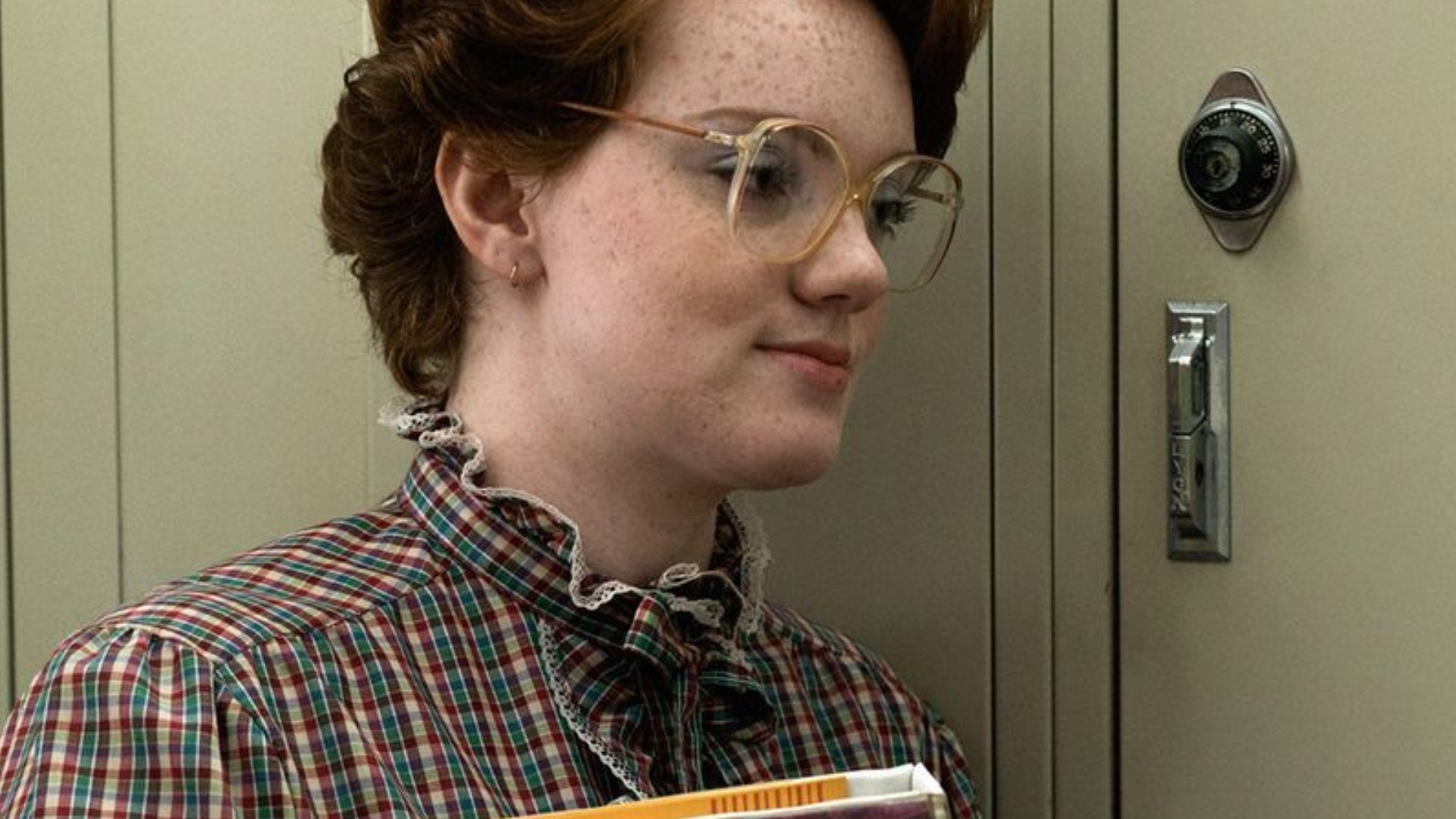
Sometimes, we get the strange feeling of being the black sheep of our group of friends, the last to know about get-togethers at the café, the missing piece in WhatsApp conversations, the unwanted member of the group. Forced into isolation, we're spectators of a shared understanding in which we only participate from afar. We're informed of events at the last minute or we only learn about them after they've already happened. Psychologists have a name for this: it's the typical profile of the "marginal friend."
Composite sketch of the marginalized friend
Within a group of friends, there's an invisible but well-orchestrated hierarchy: the leader, the followers, and the black sheep, who struggles for collective recognition and must constantly strive to feel included. This friend, whom no one expects outside a restaurant and whose absence would barely be noticed, is almost an extra. From a distance, they resemble that slightly unloved classmate who tries to attach themselves to already established groups. Psychologists have dubbed them the "marginal friend," a powerful adjective that illustrates an unconscious rejection.
They're the fifth wheel, the person who stays in the background, the one who never gets a say and whom no one consults beforehand at big meetings. They're part of the group, but sometimes they feel like an outsider, an outsider. Also known as the backup friend, they're contacted to fill in a reservation for an escape room or to take advantage of a group rate, but they're forgotten when it comes to small gatherings or ultra-secret pajama parties like Jenny's in Gossip Girl.
He's a bit of an outsider despite himself. He's left out, never given the meaning of inside jokes, and, most importantly, automatically put on the chopping block. In the pages of Self magazine, psychologist Christina Ferrari lists the signs that prove you might be this marginal friend, the one more commonly known as the "stand-in."
The last one to be notified when there are outings
The eccentric friend learns about outings through word of mouth or after a monumental blunder. Conversations resembling Tupperware parties arise between pixels without this friend ever being included in the discussion. He is always presented with a fait accompli, with slightly hypocritical phrases like "you can come if you want" or stock excuses such as "the bar was already full."
The expert puts things into perspective: "Occasionally, it's not a cause for concern." It might simply be an organizational issue or a lack of communication. However, if it becomes a habit, it means you're not considered an equal to your friends.
Never consulted to organize events
Whether it's for a shopping trip, an outdoor meal in the local park, or a day at the pool, the outsider friend is always in the background. He's the eternal forgotten one. He only discovers the dress code once he arrives at the restaurant door and surprises his so-called friends with matching glitter tattoos, having never seen a single inspirational Pinterest photo pop up in the original group chat.
Perhaps your friends have a parallel conversation, a "second" group reserved for the elite. As the psychologist reminds us, "it's not about being included in everything," however, there are signs that speak out about what those most involved are keeping silent about.
The request always comes from you.
The unconventional friend always has to fight to see their group of friends, who compete to come up with excuses to decline every invitation. “It’s not a good time.” “I’m too busy.” “We’ll talk again next month, okay?” Yet, they stumble across an Instagram story from one of them, smiling and toasting with her buddies. It’s a one-sided friendship. The friends who care notice our absence; they don’t rejoice.
A psychologist's suggestions for breaking free from this status
The worst thing about feeling left out is that you end up analyzing everything. The invitation that never arrives. The joke everyone gets except you. The group photo where you discover the party happened… without you. You can talk about it, at the risk of seeming overly sensitive. Or you can stay silent and keep wondering what you did wrong. Neither scenario is particularly appealing.
If you choose to bring it up, there's no need to make a fuss. A simple, "I love spending time with you. Keep me in mind next time!" is often enough. It's direct, lighthearted, and non-accusatory. But perhaps the real issue lies elsewhere. Instead of desperately trying to earn your place in a group, ask yourself: why invest so much energy where you constantly have to prove you deserve to be there?
So instead of chasing approval that never comes, open other doors. Invite that colleague with whom conversations are always easy. Reconnect with that friend you've lost touch with. Accept that invitation you would normally have declined. Sometimes, the best response to feeling excluded isn't to find your place at all costs. It's to go where a place is already waiting for you.

Excelente, y me ha pasado..casi en todos los puntos que destacas..lo tremendo es que (capaz siendo mujer) una intuye que algo no funciona(como cuando salís con alguien y te engaña), además de soportar actitudes del « grupo » en que una no tiene voz ni voto..esas cosas hace que una se aleje un poco, pero a la vez sirve para que te hagan sentir culpable por no acudir « funcionalmente » a los eventos aptos para « todo publico »..se termina con sentimientos de angustia, y, finalmente, el alejamiento y/o el ghosteo.