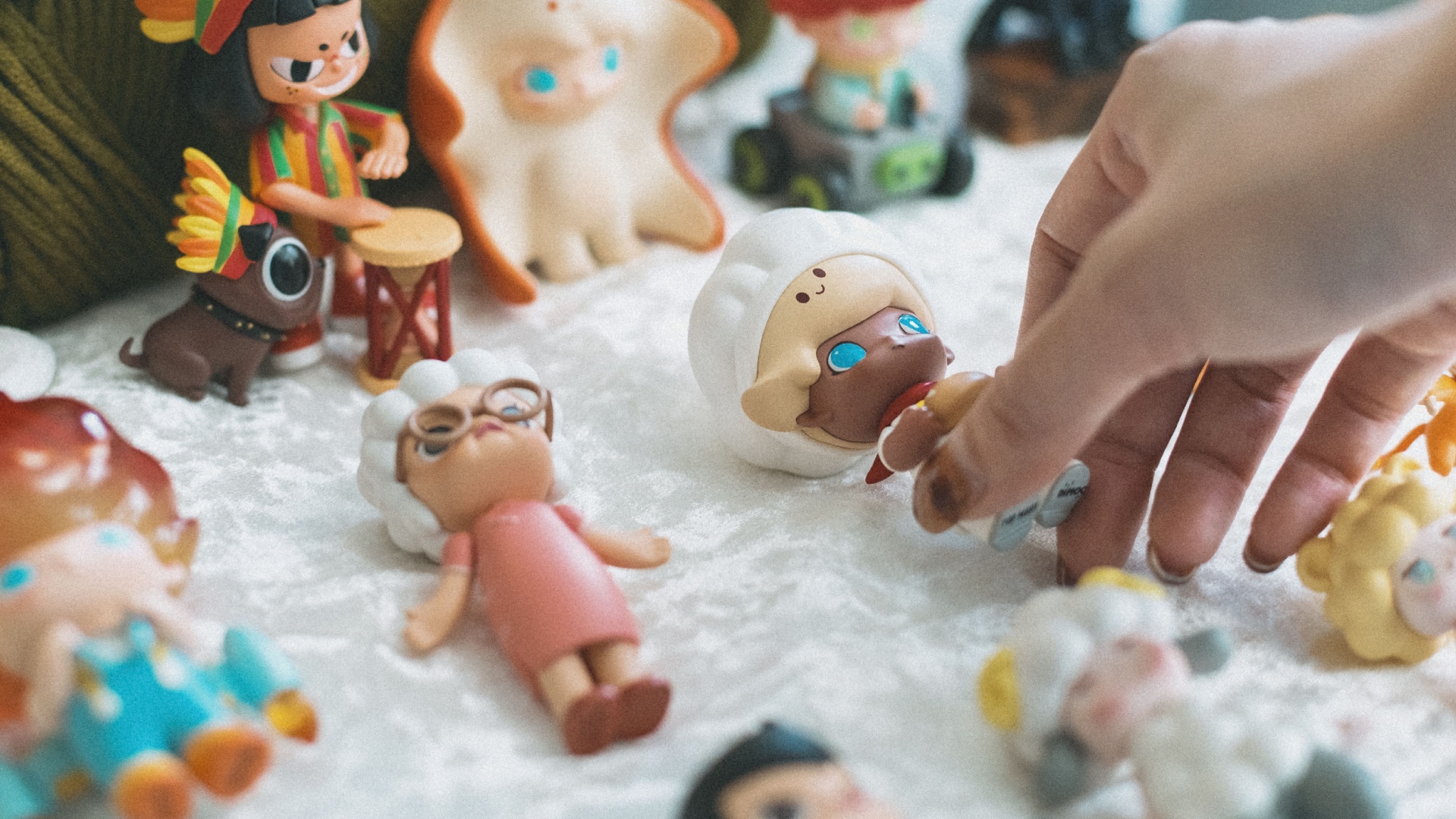
A small, sealed package, a hint of suspense, and an opening that might reveal a pleasant surprise: "blind boxes" have taken social media by storm. These mystery boxes, particularly popular with collectors, transform each unboxing into a mini-event. Behind their playful success lies a model that is now attracting the attention of regulators.
A collection that plays the surprise card
The concept is simple: you buy a small, sealed box without knowing which figurine is inside. Each collection typically includes several characters, often between six and twelve, sometimes with a few "secret" models. These special versions are produced in very small quantities. Sometimes there might only be one for every hundred boxes. This transforms the search for a rare figurine into a real treasure hunt. And when certain pieces become particularly sought after, their value can also increase on the secondary market.
Why do social media platforms love it?
The success of blind boxes owes much to unboxing videos. The concept is particularly effective: a few seconds are all it takes to create anticipation before revealing the character inside. The result? Short, visual, and unpredictable content, perfectly suited to social media habits. The surprise makes you want to watch until the end, while collectors can share their finds, compare their sets, or trade duplicates. Little by little, a whole world has been built around these small boxes. Collecting figurines is no longer just about collecting them; it's about sharing an experience.
@idaandu_ hirono has my heart now ♡ #hirono #popmart #blindbox #popmartunboxing #unboxing ♬ float - Thiago Sub
When the game of surprise raises questions
It is precisely this element of uncertainty that is raising questions today. Several studies draw a parallel between blind boxes and the "loot boxes" found in some video games: in both cases, you pay without knowing exactly what you will receive. The difference, however, is significant: here, the item is physical, and the rarest figurines can have real value on the resale market. For some legal experts, this aspect therefore warrants particular attention.
Rules that are beginning to change
Faced with the rise of this phenomenon, several countries are beginning to consider safeguards. In China, the sale of certain blind boxes is prohibited to children under eight, and various product categories are regulated. Local recommendations also encourage better-informed shoppers, particularly through the display of the probabilities of obtaining each model.
Some proposals go further by including mechanisms to guarantee a rare coin after a certain number of purchases. In Singapore, the issue is also under consideration: in February 2026, the country announced it was working on legislation that would mandate the publication of probabilities. In Europe and North America, the phenomenon remains far less regulated for the time being.
@blondebeachmermaid Honey pups are wayyy better #labubu#gisou #unboxing #blindbox #realatable @Gisou ♬ Santa Tell Me Beat - Cici Beats
Blind boxes ultimately illustrate a broader trend: everyday products incorporating a touch of uncertainty to make the experience more captivating. Surprise can be fun, stimulating, and unifying. The key is to keep in mind what lies behind the attractive packaging: a carefully crafted scarcity mechanism designed to entice customers to discover "yet another" box.