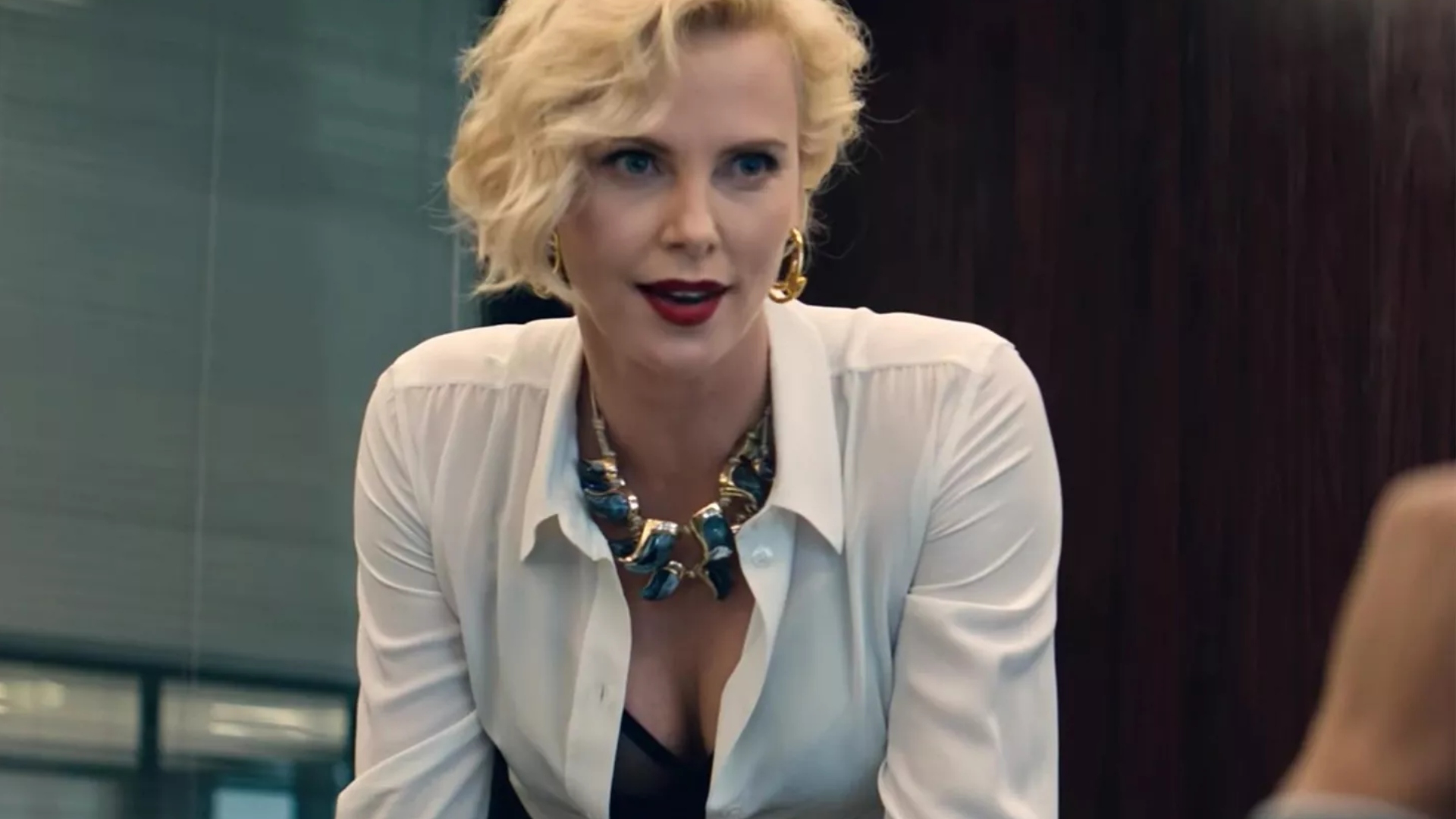
In an interview with the New York Times , Charlize Theron sparked a strong reaction by discussing the future of acting in the face of artificial intelligence. The South African-American actress, producer, and model, currently promoting her film "Apex," responded to a previous statement by Timothée Chalamet about opera and ballet, which had already drawn criticism within the cultural community.
A direct comparison between human art and artificial intelligence
At the heart of the controversy, one sentence in particular caught attention: according to Charlize Theron , "in ten years, artificial intelligence will be able to do Timothée Chalamet's job." A statement perceived by some as a provocation, by others as a simple reflection on the evolution of cinema. Here, Charlize Theron contrasts performances generated or assisted by AI systems with embodied forms of artistic expression, notably live acting and physical performance.
Known for her background as a dancer, she draws on her personal experience to champion traditional artistic disciplines. Trained in classical ballet at the Joffrey Ballet School, she emphasizes the extreme demands of this discipline, characterized by physical rigor and repetition. This experience fuels her conviction that certain art forms, particularly those based on the body and presence, remain difficult to replace with technology.
Artificial intelligence and cinema: an increasingly prominent debate
Charlize Theron's comment is part of a broader discussion about the impact of AI on the creative industries. Between digital dubbing, generated avatars, and algorithm-assisted screenplays, cinema is already undergoing a profound transformation. For some professionals, these tools represent an opportunity for innovation. For others, they raise the question of the gradual disappearance of the human element in artistic creation.
A controversy that reveals current cultural tensions
Beyond Timothée Chalamet's individual case, this statement highlights a deeper debate: the place of human skill in artistic professions in the face of increasing automation. Caught between protecting traditional skills and exploring new technologies, the film industry finds itself at a tipping point.
In short, Charlize Theron's deliberately blunt statement has reignited a sensitive debate about the future of acting in the age of artificial intelligence. It underscores a growing concern: that artistic creation will be redefined in step with technological advancements, to the detriment of the human element.