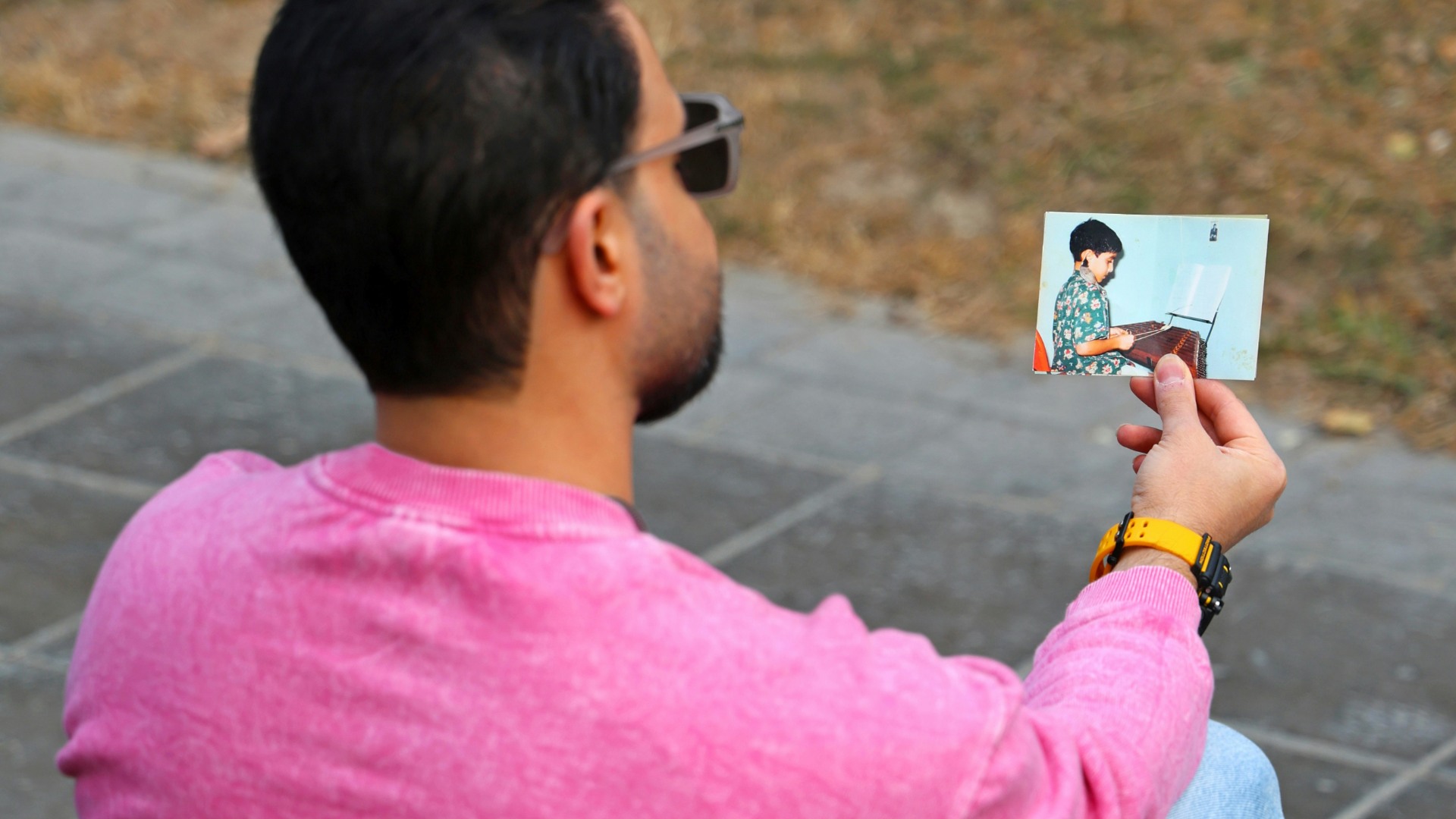
In a fit of nostalgia, or when adult life becomes too anxiety-inducing, you dive headfirst into your photo albums. You leaf through these glossy pages with a touch of melancholy, almost longing for that carefree time. These photos, unfolding like a timeline and bringing a tender smile to your face, are at the heart of all self-love rituals. These candid childhood portraits tell a story—your story—and offer clues to your personality.
Childhood photos, witnesses to your identity
Far from gathering dust in a drawer, childhood photos are often displayed on the table and passed around among family members to the sound of "things were better back then." They are an escape, a remedy for gloom. They are the very definition of happiness and are enough on their own to lift spirits. And beyond reviving flashbacks of an afternoon at the beach, rustic camping trips, family reunions at the family home, and impromptu campfires, these photos have a lot to teach you about yourself.
On social media, users seeking confidence or experiencing an existential crisis scrutinize these childhood photos and analyze their own behavior. After writing heartfelt letters to their future selves and declaring their love for their younger selves, they try to decipher their mischievous faces. They attempt to interpret a sly smile, a sidelong glance, a pose at a table, an attitude during kindergarten performances. Looking at your childhood photos, focusing on yourself, is as enriching as rereading entries from your teenage diary .
You don't just rely on your parents' descriptions; you go even further. You try to read between the lines of these still images, hoping to discover your temperament, your predisposition for drama, your level of empathy, or the origin of your humor. Content creator @jessfairchild promotes this practice, with a healthy dose of irony. Her accompanying photo reveals a confident little girl posing with a certain flair for exaggeration. The adjective "diva" then seems perfectly fitting.
View this post on Instagram
Photo albums: a beautiful visual autobiography
Even if these childhood photos don't always feature you, they're quite revealing and offer a glimpse into your personality. It's well known that children are unfiltered and can't contain their inner world. Some are very exuberant, taking up a lot of space, and not just in the frame. Then there are others who remain withdrawn, observing these scenes of life. There are also those who make different faces in every spontaneous photoshoot, and then there are the most explosive ones, who always end up blurry on film.
There are also the dreamers, physically present but mentally absent, the loners who instinctively retreat to a corner of the frame, and the budding leaders, already the center of attention. Your parents have meticulously documented your every move, from the most flattering to the least flattering angles. It would be a shame not to learn something from this.
Looking at these photos with fresh eyes, you can discern recurring patterns: a posture, a way of interacting with others, a particular energy. Perhaps that child who clowned around in every picture is now the one who lightens the mood in meetings. Or perhaps that quiet little girl, always slightly withdrawn, has grown into an adult who listens to others.
Track your progress and learn more about yourself
Looking back at these images is not just about contemplating the past, it's also about measuring the distance traveled. Between the child you were and the adult you have become, there are transformations, breaks, but also surprising continuities.
Some forgotten passions can resurface. A love of drawing, dancing, or dressing up, abandoned over the years, can suddenly regain its meaning. As if these photos were whispering to you: "You already loved this, don't forget." They can also shed light on more subtle wounds, moments when you seemed withdrawn or seeking attention, and help you better understand certain current sensitivities.
It's a gentle way to reconnect with yourself, without judgment . To look at that child with kindness, as you would at anyone else. Because behind every grimace, every shy glance, or every burst of laughter, there's a version of yourself that deserves to be heard. Because when you see your childlike face, you're much more tolerant and far less cruel than when you see your adult self. It's hard to criticize that little part of yourself, still untouched by life's harshness.
In addition to deciphering your childhood photos like a Sherlock Holmes of self-love, you can also write yourself a letter and express your pride in the child you once were. It's deeply cathartic and an act of self-gratification . These childhood photos aren't just paper comforters; they also hold clues to your most intimate questions.