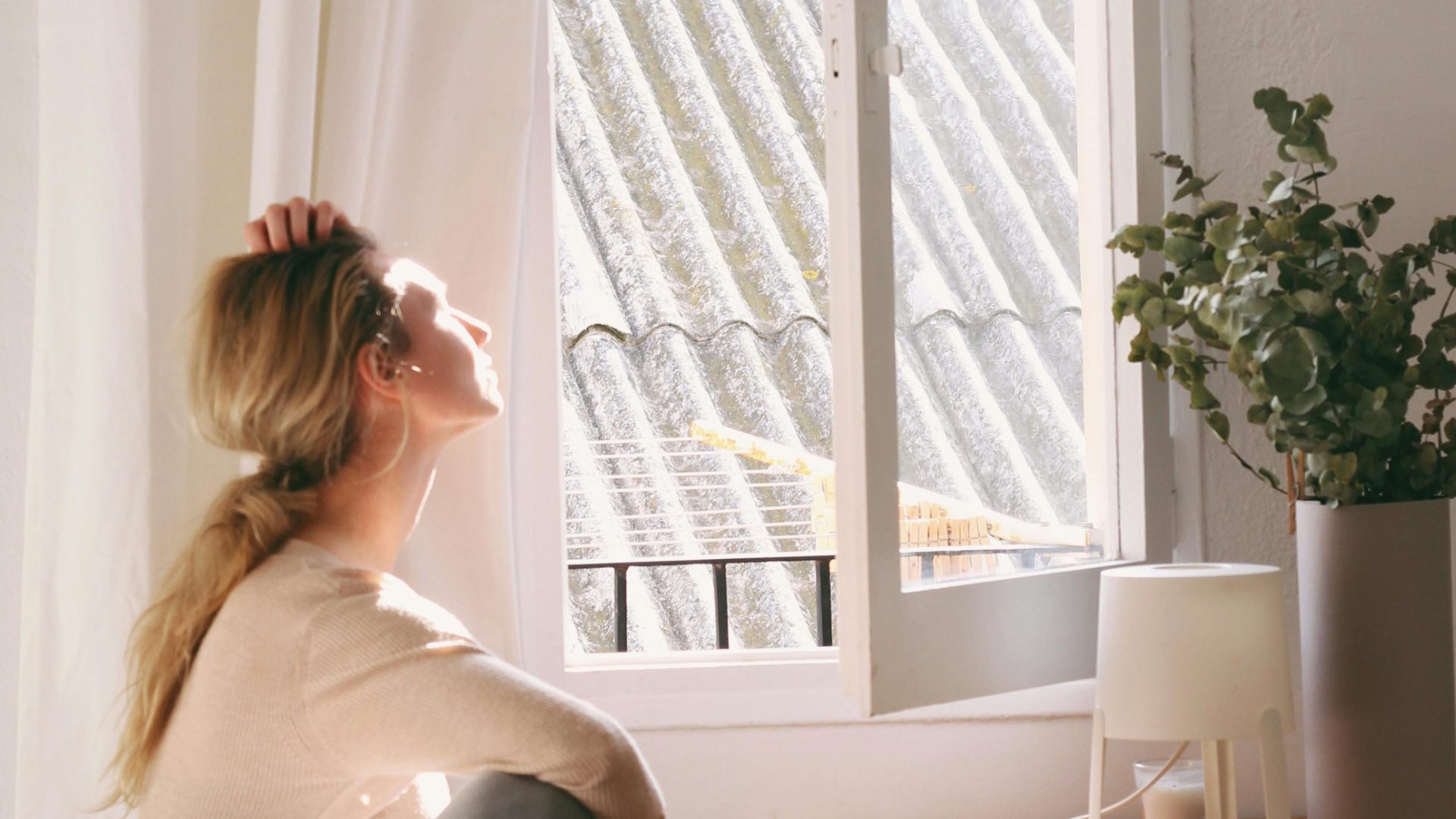
What if the most audacious innovation of 2026 was… doing nothing? Going against the grain of constant overstimulation, boredom is emerging as a deliberate practice. On social media, emptiness attracts, intrigues, and soothes. This trend, dubbed the "boredom challenge," transforms boredom into a "creative act," a delightful paradox that reveals a collective weariness in the face of information overload.
Boredom as mental breathing
Far from being a waste of time, conscious boredom acts as a restorative break. Researchers explain that "these moments of emptiness activate brain circuits linked to introspection, imagination, and memory." When the mind is no longer absorbed by external stimuli, it begins to wander again, to make connections, to invent.
An American student who went viral popularized the exercise by filming several hours of stillness, condensed into a short time-lapse video. At the end of the experiment, he described a feeling of clarity and renewed energy. As if accepting boredom allowed the brain to readjust itself, without violence or performance.
From the digital challenge to the art of living
What might have seemed absurd has become, for many, a true philosophy. Artists and content creators experimented with voluntary boredom for several weeks: waiting without their phones, moving around without headphones, walking without a specific goal. The result? More fluid creativity, more stable attention, and a profoundly transformed relationship with time.
Experts remind us, however, that boredom is not the end goal. It is a signal, an invitation to rediscover meaning in what you are doing. When it is met with curiosity rather than avoidance, it opens up a fertile space for reflection, self-awareness, and creative expression.
@ohmyspicycubes Whos in on the challenge?! Its not too late ♬ original sound - Mrs Spicy
A gentle resistance to constant productivity
In a society obsessed with efficiency, choosing boredom is almost an act of defiance. Not producing, not optimizing, not consuming becomes a way to regain control. Author Arthur C. Brooks (Harvard) speaks of a "lost art," capable of restoring mental equilibrium. American author Robert Greene, as well as Guardian correspondent Helen Russell, also champion the idea of a "fertile void": doing nothing in order to think more deeply.
This approach also aligns with a body-positive vision of everyday life: respecting your rhythms, honoring your need for rest, and recognizing that your body and mind are not machines. Boredom then becomes a moment of self-compassion, a time when you stop judging yourself as productive or not, high-performing or not. You are simply there, whole, and valid.
Gen Z and the paradox of spectacular emptiness
The younger generation is embracing this trend with humor and insight. With deliberate irony, even inaction becomes content. Videos where nothing happens except a fixed gaze or a body at rest attract millions of views. This success reveals a collective need to slow down, but also a fascination with raw authenticity, unfiltered and unadorned.
Towards an organized boredom?
By 2026, boredom is no longer something to be endured; it's planned. Some people are instituting daily screen-free periods, while others are participating in completely disconnected days. Even companies are starting to create spaces dedicated to non-productivity, convinced that the best ideas often emerge in the in-between moments.
In short, this phenomenon highlights a profound weariness: you're not just tired of working, you're saturated with consumption. In a world where everything demands your attention and your body, emptiness becomes a precious luxury once again. Allowing yourself to be bored means choosing gentleness, listening to yourself, and respecting yourself. And perhaps, rediscovering the simple pleasure of existing without having to prove anything.