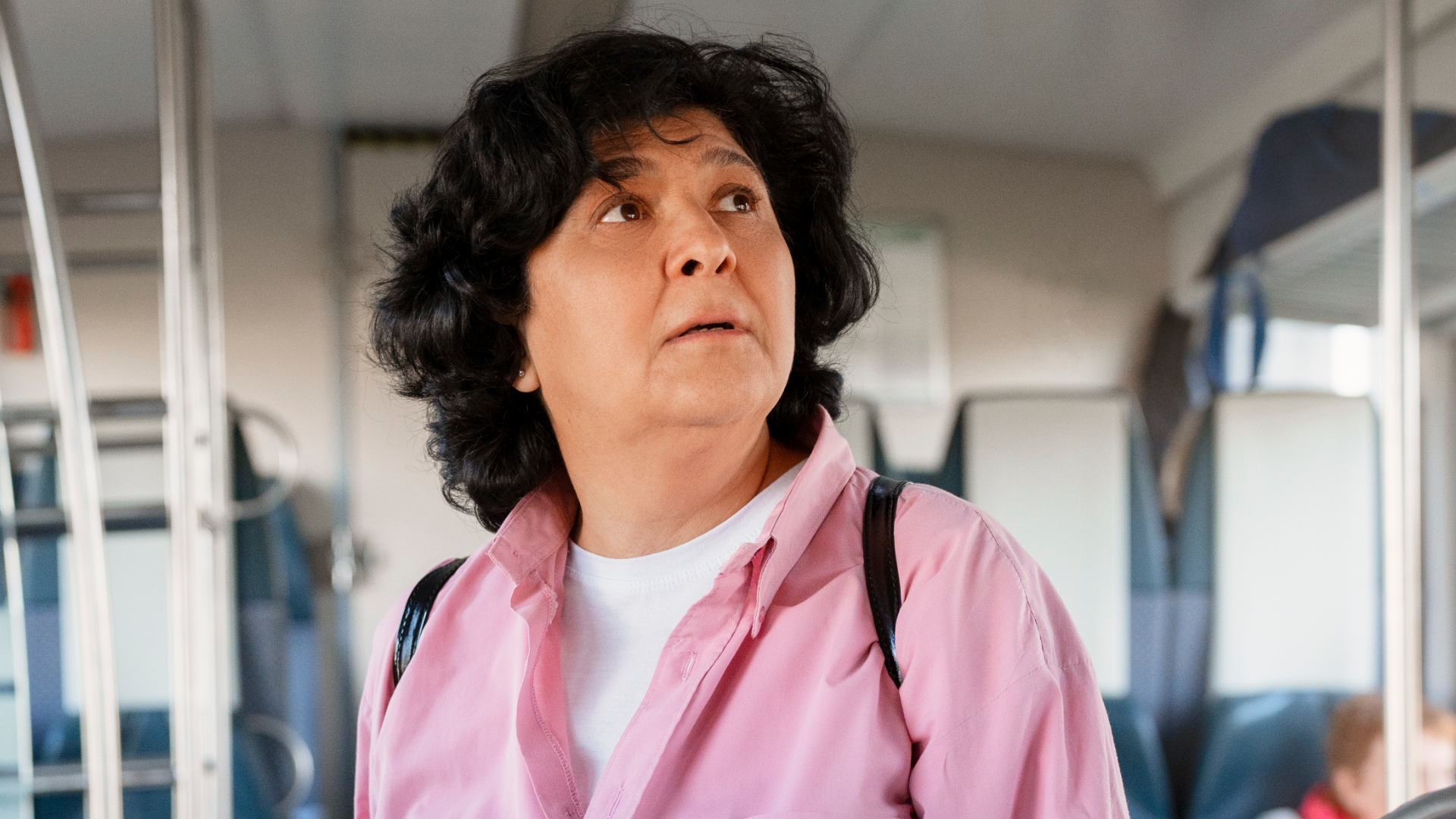
In an article published by Good Housekeeping , journalist Marina Gask recounts an attack that occurred while she was returning home by train after a day's work. Sixty years old at the time, she explains that she was targeted by an individual while alone in a nearly empty carriage in the evening.
A testimony that reveals a public space still hostile to women
According to her account, the man behaved inappropriately in her presence, taking advantage of the compartment's isolation to act without being immediately seen by other passengers. Faced with the situation, the journalist stated that she felt an immediate shock, a mixture of fear and anger. She ultimately chose to change seats to be closer to other travelers, which led the assailant to leave the train at the next stop.
The author states that she reported the incident to the British transport police, however highlighting the difficulties encountered in following up on the complaint, particularly due to insufficient information to precisely identify the suspect.
An investigation that highlights a widespread phenomenon
This testimony is part of a survey conducted by the newspaper on women's safety on public transport. Based on a poll of over 1,000 participants, the study reveals that two out of five women report having experienced at least one incident of harassment on public transport, while three out of five say they have witnessed it. The survey also indicates that 94% of the women interviewed report feeling vulnerable when using public transport.
Among the respondents, a significant proportion stated that they adapt their travel habits, notably by avoiding traveling alone at night. Experts interviewed for the article emphasized that the public transport environment can encourage this type of behavior due to feelings of isolation or limited access to immediate assistance.
Lasting psychological consequences
In her testimony, Marina Gask explains that this event impacted her sense of safety and well-being. She describes persistent anxiety in the weeks following the assault, as well as heightened vigilance when traveling. Mental health professionals interviewed by the magazine point out that this type of experience can have lasting effects on victims' confidence and freedom of movement. Harassment in public spaces can also limit access to certain activities, particularly when travel is perceived as risky.
An issue that concerns all generations
The investigation reveals that these situations affect women of all ages, from teenagers to older women. Several testimonies gathered show that harassment can occur in various travel contexts, whether on trains, buses, or subways.
For the associations and experts interviewed, the fight against these behaviors requires better consideration of testimonies, an improvement of reporting mechanisms and increased public awareness.
This testimony highlights a persistent problem concerning women's safety on public transport. By emphasizing the frequency of these incidents and their consequences, the survey calls for greater mobilization of institutions and the public to guarantee safer travel conditions for all.