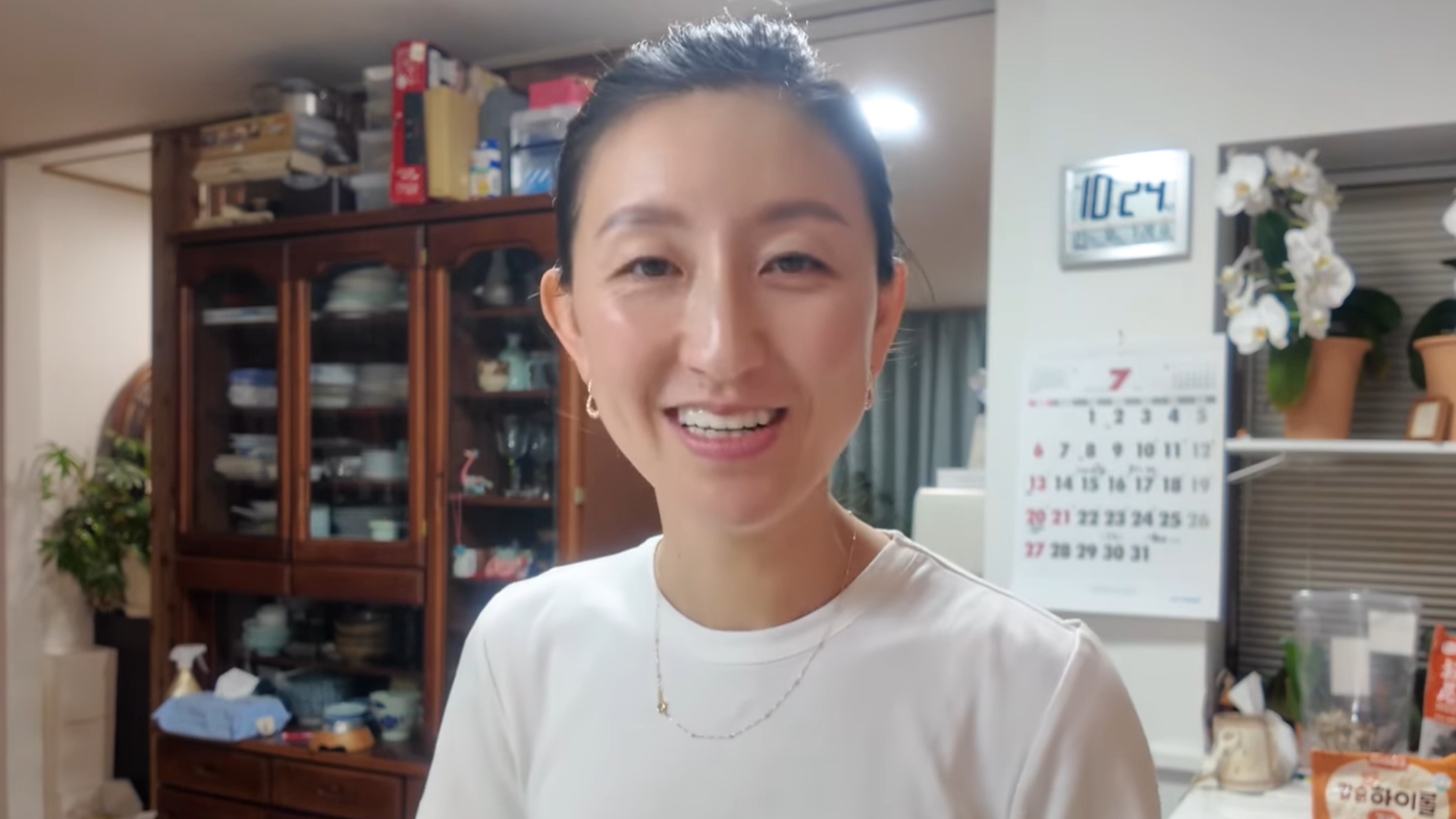
Ten years after fleeing North Korea at the risk of her life, Mun Yeon-hui found in Japan the peace and recognition she had never known in her homeland. Now living in Chiba, east of Tokyo, she and her husband run a restaurant called Sulnoon, renowned for its naengmyeon, delicious cold noodles originating from Pyongyang. Her story, recounted by the Japanese newspaper Asahi Shimbun, illustrates both resilience and the quest for freedom.
A childhood under surveillance
As reported by the Japanese daily Asahi Shimbun , Mun Yeon-hui, born in North Korea, grew up in an environment where fear and control dictated every aspect of life. As a teenager, she was forced to witness the public execution of a woman accused of selling DVDs of foreign television series. A profound trauma—but also a turning point. Far from turning away from the outside world, the young woman began to take an interest in it: she secretly discovered South Korean and Japanese dramas, particularly admiring the actor Takuya Kimura, star of the Japanese series Pride.
This awakening leads her to question the closed nature of the North Korean regime. Despite her business training in Pyongyang, she encounters the system's inertia: no prospects, no freedom. It is then that she decides, against all reason, to flee.
A miraculous escape
In May 2015, Mun Yeon-hui left North Korea amidst the tears of her mother, who told her: "I'm sorry I gave birth to you in this country." She swam across the Yalu River, the natural border with China, with only a few banknotes, razor blades, and some opium for protection, which she planned to use if she were arrested.
After a harrowing escape across China, she was intercepted near the Laotian border. Against all odds, the Chinese authorities released her the next day, even returning her money and belongings. "It's strange... it can only be a miracle," she would later say. Mun Yeon-hui found refuge at the South Korean embassy in Laos before moving to Seoul in 2016. There, she was reunited with her mother and brother and obtained South Korean citizenship.
From Pyongyang to Tokyo: culinary art as a common thread
It was in South Korea, alongside her mother – a former cook at a large hotel in Pyongyang – that she opened her first restaurant, Sulnoon. The place quickly became popular for its artisanal cold noodles, prepared in the North Korean style, with unhulled buckwheat and a clear broth combining beef, pork and chicken.
It was also there that she met Shigeru Katsumata, a Japanese restaurateur whom she married one hundred days later. Together, they decided to unite cuisine and cultures: in 2024, they opened a new Sulnoon location in Chiba, Japan. Every day, a loyal clientele comes to taste this iconic North Korean dish, prepared with patience and humility. "In North Korea, there isn't much seasoning, but everything is done by hand," Yeon-hui explains with a quiet smile.
A new life and a dream for the future
Now in her forties, the chef speaks candidly about her past. She recounts her escape, her recovery, and her integration into Japanese society, which she describes as "kind and welcoming." On YouTube , she now shares her recipes and her story with candor, hoping to inspire other refugees.
From the Yalu River to Tokyo cuisine, Mun Yeon-hui embodies the perseverance of a generation of North Korean refugees who transformed pain into creativity. Through her restaurant Sulnoon, she offers much more than a dish: a taste of freedom, served in a bowl of chilled noodles.