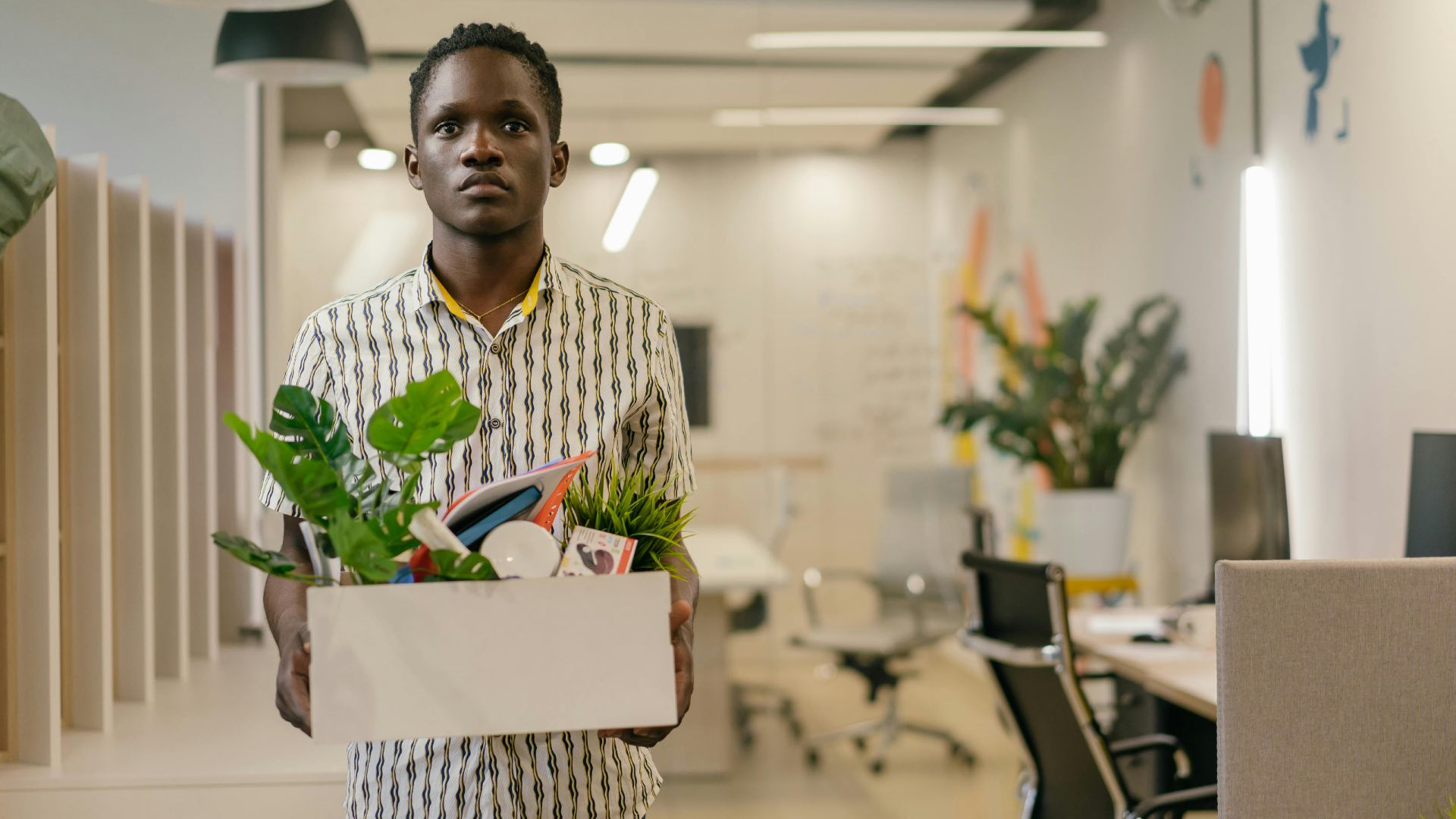
At barely 30, you should be at the peak of your energy… and yet, many members of Generation Z already feel drained. Mental exhaustion, professional disillusionment, and a yearning for something different: the traditional salaried model no longer holds the same appeal. An analysis of this generational discontent reveals much about our relationship with work.
An early fatigue that sets in, affecting both body and mind.
Generation Z enters the workforce with a sometimes heavy-handed awareness. Where their elders accepted simply "hanging it out," these young adults are more attuned to their physical and emotional limits. And their bodies speak volumes: chronic stress, constant mental strain, a feeling of being exhausted before they've even truly begun.
The figures speak for themselves . Nearly one in two young people say they are stressed most of the time, and work tops the list of sources of anxiety. Long hours, performance pressure, lack of recognition: the professional day-to-day is often experienced as an ordeal rather than a space for personal growth. Added to this is persistent job insecurity, which makes it difficult to plan for the future with peace of mind. The result: fatigue becomes structural, entrenched, almost normalized.
Rapid burnout and refusal to wear and tear
What's striking is the speed. Burnout no longer waits 15 years into a career to intrude on employees' lives: it sometimes emerges from their very first professional experiences. Faced with this accelerated wear and tear, Generation Z doesn't give up. They choose protection over sacrifice.
The rejection of 100% in-person work clearly illustrates this stance. A large majority of young people say they are ready to leave their jobs if they are subjected to a rigid framework deemed incompatible with their mental health. This is not a lack of desire to work, but a clear wish to respect their own pace, their work-life balance, and their overall well-being.
Quiet quitting: setting boundaries, without guilt
In this context, "quiet quitting" emerged. Contrary to popular belief, it's not about laziness, but about refocusing. Doing your job, yes. Over-adapting, neglecting yourself, exhausting yourself for a company that doesn't reciprocate, no. This distancing from over-investment is a direct response to the hustle culture and management practices perceived as toxic. For many young people, working without sacrificing themselves becomes an act of respect for themselves, their bodies, and their mental health. A form of body and mind positivity applied to the professional world.
Leaving to find oneself again: new paths
Since the pandemic, voluntary departures have multiplied. Freelancing, career changes, deliberate breaks: Generation Z is exploring other paths. Meaning has become a central compass. Working for a company whose social or environmental values conflict with their own is now unthinkable for a large proportion of young professionals.
When meaning disappears, resignation follows. Sometimes discreet, sometimes spectacular. The phenomenon of "loud quitting," these noisy and defiant departures, reflects anger but also a need for profound coherence. Working, yes, but not at any cost.
Flexibility, an essential condition for balance
Remote work, four-day workweeks, flexible hours: for Generation Z, flexibility isn't a bonus, it's a given. Having control over their time allows them to respect their physical needs, energy levels, and personal life. This control is seen as essential for a healthy and sustainable work-life balance.
Faced with this, rigid management appears outdated, even alienating. The videos of employees leaving by choice circulating on social media are merely the visible part of a deep rejection of authoritarian models.
A major challenge for businesses
To attract and retain Generation Z, companies must transform themselves. Dedicated leave for mental health, benevolent leadership, genuine listening, recognition, encouragement of personal projects: these levers are no longer secondary.
In short, Generation Z isn't just looking for a salary, but a professional life aligned with its values, respectful of both body and mind. Without rapid adaptation, traditional employment risks losing an entire generation of talent who now refuse to exhaust themselves just to make a living.