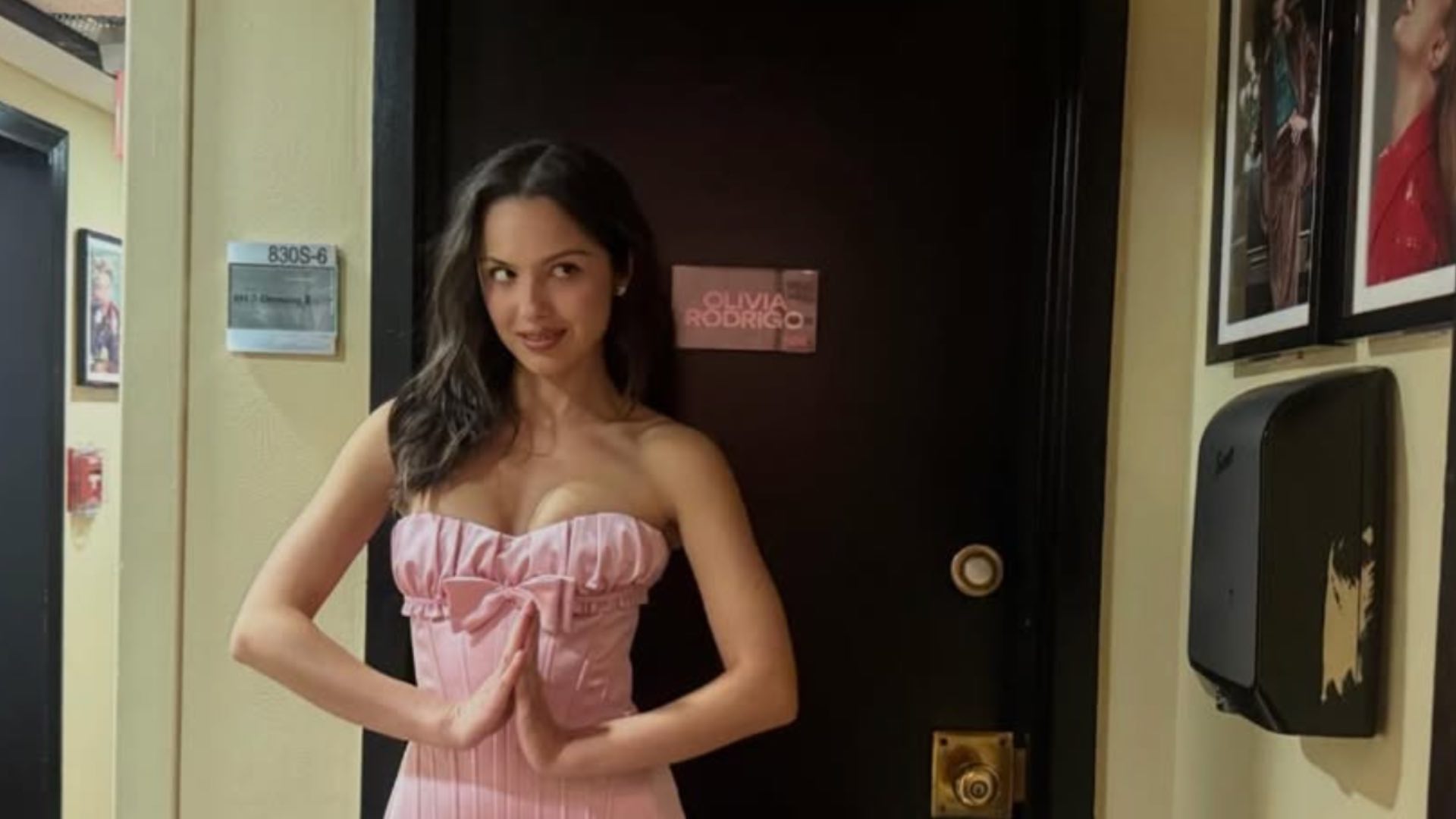
Targeted by criticism over the babydoll dress she wore on stage, American singer-songwriter, musician and actress Olivia Rodrigo responded directly, denouncing a discourse she considers "deeply disturbing".
A babydoll dress at the heart of the controversy
It all started with a pink and white floral babydoll dress that Olivia Rodrigo wore during her Spotify Billions Club concert, as well as in the music video for her song "Drop Dead." While the garment itself wasn't provocative, some internet users deemed it "childish," "infantilizing," or even "inappropriate." She chose to address this wave of comments during an appearance on a New York Times podcast, an excerpt of which was released on May 27.
View this post on Instagram
"This shows how we normalize pedophilia."
“It really upset me. Not for me: people can say what they want,” Olivia Rodrigo initially responded. What bothers her most is the double standard. She points out that she has worn “much more revealing” outfits on stage before—“a sequined bra and short shorts,” she specifies—without anyone batting an eye. “It wasn’t inappropriate, but me being completely covered in a dress deemed childish, that was,” she says, astonished. For her, this reaction “shows how much our culture normalizes pedophilia.”
The rejection of a guilt-inducing discourse
Beyond the controversy, Olivia Rodrigo denounces a message repeated to girls from a very young age: "Don't wear that, otherwise a man will sexualize your body, and it will be your fault." She considers this logic "so bizarre" and profoundly unfair, because it places the responsibility for how others perceive women on their own. Olivia Rodrigo insists: dressing as she pleases is her absolute right.
A tribute to the icons of the 90s
Olivia Rodrigo is also keen to clarify her intentions: this look wasn't shocking to her at all. "I didn't think I looked shocking at all, I just thought it was cool," she confides. The babydoll dress was actually a nod to the female rock icons of the 1990s who inspire her, such as Kathleen Hanna, a pioneer of feminist punk, and Courtney Love. "All these women are my heroines, and I felt good in that outfit," she explains.
"Protecting young girls"
Olivia Rodrigo is speaking out primarily for future generations. "I'm very protective of young women and girls, and I don't want them to be taught this kind of message," she insists. This statement comes just days before the release of her third album, "You Seem Pretty Sad for a Girl So in Love," due out June 12th and featuring the singles "Drop Dead" and "The Cure."
By refusing to justify herself, Olivia Rodrigo transforms a clothing controversy into a powerful feminist message. She reminds us that the problem lies not in what a woman wears, but in how society views her—and, in doing so, calls for protecting young people from these societal pressures.