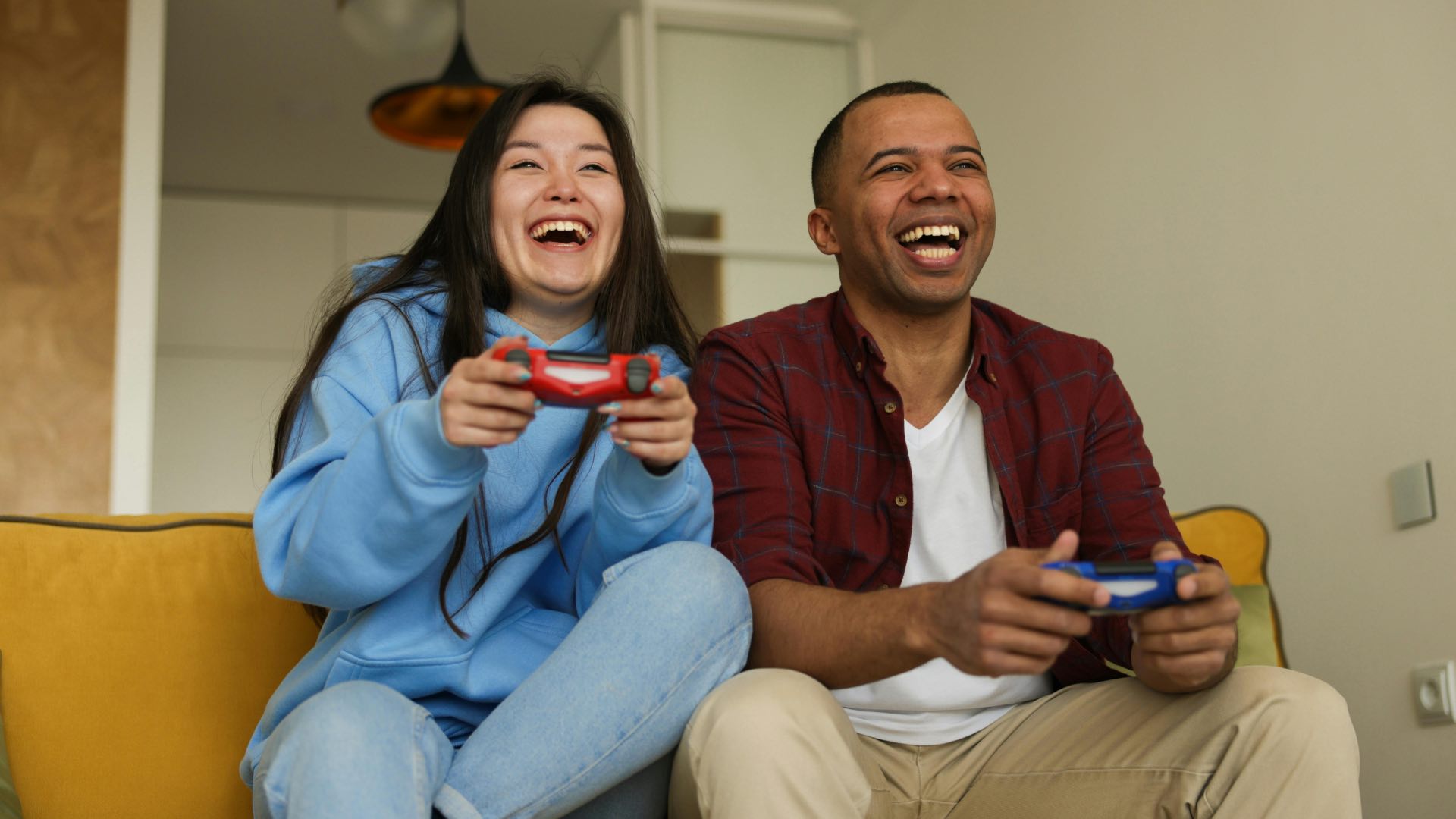
Stuffed animals, Lego, cartoons, and video games are no longer just for children. A growing number of adults, known as "kidults," are openly admitting their attachment to these regressive objects. Is this a passing trend or a symptom of a deeper generational unease?
A rapidly expanding cultural trend
The term "kidulte," a portmanteau of "kid" (child) and "adult," refers to adults who continue to consume products traditionally associated with childhood. This includes collectible figurines, retro video games, coloring books, clothing with cartoon characters, and pop culture conventions (such as Comic Con or Japan Expo).
Far from being marginal, the phenomenon has grown significantly. In 2023, according to a study by the British firm Mintel , 27% of adults aged 25 to 44 reported buying toys for themselves. This figure has been steadily increasing since 2019. Brands have clearly understood this: Lego, for example, has launched premium ranges specifically designed for adults, blending nostalgia and sophistication.
An answer to the uncertainties of adulthood?
Behind this trend lies a deeper dynamic. The "kidult" phenomenon is primarily a coping strategy in the face of a society perceived as anxiety-inducing. Economic, environmental, and political crises... for many in their thirties and forties, the adult world rhymes with precariousness and instability. Returning to the world of childhood then offers a refuge.
This allows one to reconnect with comforting memories, to regain a sense of control and lightness in a daily life that can sometimes feel heavy. As French sociologist Cécile Van de Velde, a specialist in European youth, explains, "the transition to adulthood has become a long, uncertain, and often fragmented process. In this context, certain childhood landmarks serve as anchors."
Between consumerism and identity construction
Some critics see it as an extension of consumer society, where everything is commodified, even nostalgia. For them, the kidult phenomenon is being exploited by brands as a marketing tool. Indeed, the targeted products—often expensive—are more about collecting than everyday use, and sometimes contribute to a self-promoting image on social media.
This interpretation, however, overlooks an important aspect: for many kidultes, these objects are not merely a whim or an Instagrammable trend. They embody a part of their identity. They become vehicles for personal expression, social connection, and sometimes even psychological resilience. In this sense, being a kidult can also be an act of cultural reappropriation.
A renewed vision of maturity
The "kidult" phenomenon also raises questions about our relationship with maturity. For a long time, becoming an adult meant abandoning "childish" pastimes. However, this boundary is becoming blurred. Being an adult in 2025 no longer necessarily means having a standardized lifestyle based on marriage, children, and job security. These new adults are claiming the right to choose their own path and to invent other forms of balance.
In this context, liking Pokémon or building a Star Wars model would no longer be seen as a regression, but rather as an expression of freedom of expression and taste. This shift is further reinforced by public figures who fully embrace their "childhood." Artists, athletes, and content creators no longer hesitate to display their geeky or childlike passions, thus contributing to the legitimization of this culture in the public sphere.
A generational phenomenon that is likely to last?
While it's difficult to predict the future of this phenomenon, certain signs suggest it's more structural than cyclical. On the one hand, new generations are growing up with a pervasive and uninhibited pop culture. On the other hand, successive crises are making the need for comfort and lightheartedness more enduring.
Kidults are therefore not simply adults who refuse to grow up. On the contrary, they may be adults seeking to redefine what "growing up" means in a changing world. A world where self-care also involves the right to lightness, play, and imagination.
In short, the kidult phenomenon goes far beyond a passing fad. It reveals a quest for meaning, belonging, and individual expression in an often uncertain world. Far from representing an escape from reality, it can also be seen as a new way of inhabiting adulthood, with its own codes and sensibilities.