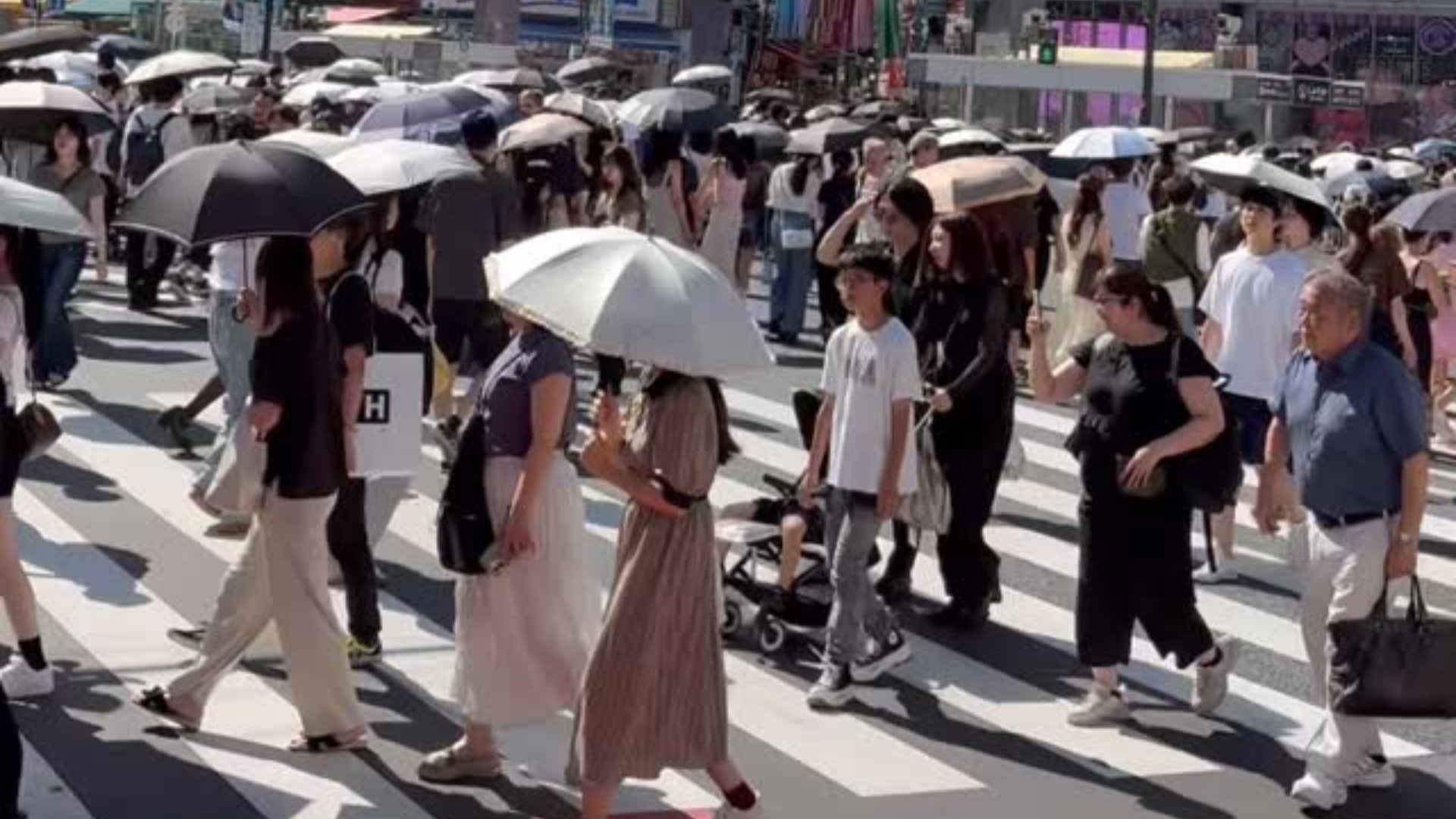
The umbrella is most often used when the weather forecast predicts unexpected downpours or when the sky is pouring rain. It's pulled out when the weather is gloomy. A shield against the raindrops, this waterproof accessory has another function in Japan: it also protects against the sun's rays. Armed against UV radiation, the umbrella is the new parasol.
The umbrella, the most sought-after summer accessory
The umbrella's role is evident in its name. This accessory, which unfolds as needed to weather the elements and keeps our hairstyles in place when the clouds turn gray, finds its way into our palms as soon as the sky becomes threatening. More waterproof than a raincoat hood, it keeps us dry when it's pouring outside. Now, the umbrella is no longer confined to a specific season. It's no longer limited to March showers or the dreary weather of autumn. It shelters our heads even when the country is experiencing heat waves and the atmosphere resembles that of the desert.
Many fashion enthusiasts prefer the umbrella to the ever-present baseball cap or the classic boater hat . Once criticized for being cumbersome, taking up too much space in public, or even ruining the harmony of outfits, the umbrella has definitively become a staple in our hands, rain or shine, whether it's raining, snowing, or 40°C in the sun. On social media, the umbrella has become an extension of the arm, but also a statement of personal style. It's no longer just a utilitarian object to be closed as soon as it's opened.
It's a style accessory, the hallmark of cool girls, the ones who sip matcha and stroll with effortless nonchalance. Championed primarily by women from Japan and Korea, the umbrella is the new holy grail of fashion. “Can we normalize umbrella use in summer?” asks content creator @noisetier. “The sun is getting more and more dangerous, so the umbrella is becoming part of my outfit,” agrees @nysaisalone .
@hazelcherrylin australia's heat is no joke sunscreen doesn't help ♬ what once was. - ☆
A fashion and wellness reflex inspired by Japan
In the West, using an umbrella in summer remains a marginal gesture, reserved for pale skin and almond-eyed tourists. Those who deign to carry an umbrella in sweltering weather receive questioning or judgmental looks in return. It's almost considered a bad omen. Yet in Japan, it's a long-standing tradition. Umbrellas mingle between skyscrapers, forming a veritable ballet.
Far from being a mere decorative object, the umbrella carries a spiritual connotation. According to some beliefs, this modern parasol is also a magnet for spirits and is said to contain a soul. Used to meet the pressure of flawless skin, the umbrella is part of the anti-UV starting pack, alongside opaque gloves, visors, and fabric masks. In Japan, a country where the sun is unforgiving to the skin, the population takes on double protection and doesn't settle for just SPF. It's cultural. And Japanese women choose models that ensure a certain style. Adorned with cherry blossoms, messages written in Kanji, sculptural lace, or poetic birds, the umbrella becomes a visual signature.
Umbrellas designed to withstand UV rays
To ensure your umbrella provides aesthetic protection against UV rays, don't just grab any old one from a souvenir shop. An ordinary umbrella offers some protection, but not reliably. While it creates shade around your body, it doesn't completely block the sun's rays.
On the market, there are now umbrellas specifically designed to block UV rays and protect the body during outings on scorching asphalt. These umbrellas, which elegantly mimic parasols, are designed to block UV radiation and keep you safe when the temperature soars. The most effective umbrellas are generally made of high-density fabric, often lined with a black or silver coating that reflects some of the sun's rays. Some even display a UV protection rating, like UV-protective clothing. The more opaque the fabric, the more effective the shade it provides.
In addition to filtering UV rays, these umbrellas offer an immediate advantage: they provide a welcome feeling of coolness. By creating a mobile shaded area around the body, they prevent the sun from constantly beating down on your head and make getting around town a little more bearable. A detail that can make all the difference when you have to cross several streets in the middle of the afternoon or wait under a bus stop with no shelter.
As heat waves become more frequent, this reflex from Japan could well move beyond the realm of cultural curiosities and become a summer habit. After all, no one finds it strange to put on a coat when temperatures drop. So why continue to be surprised to see someone open an umbrella when the sun itself becomes a form of inclement weather?