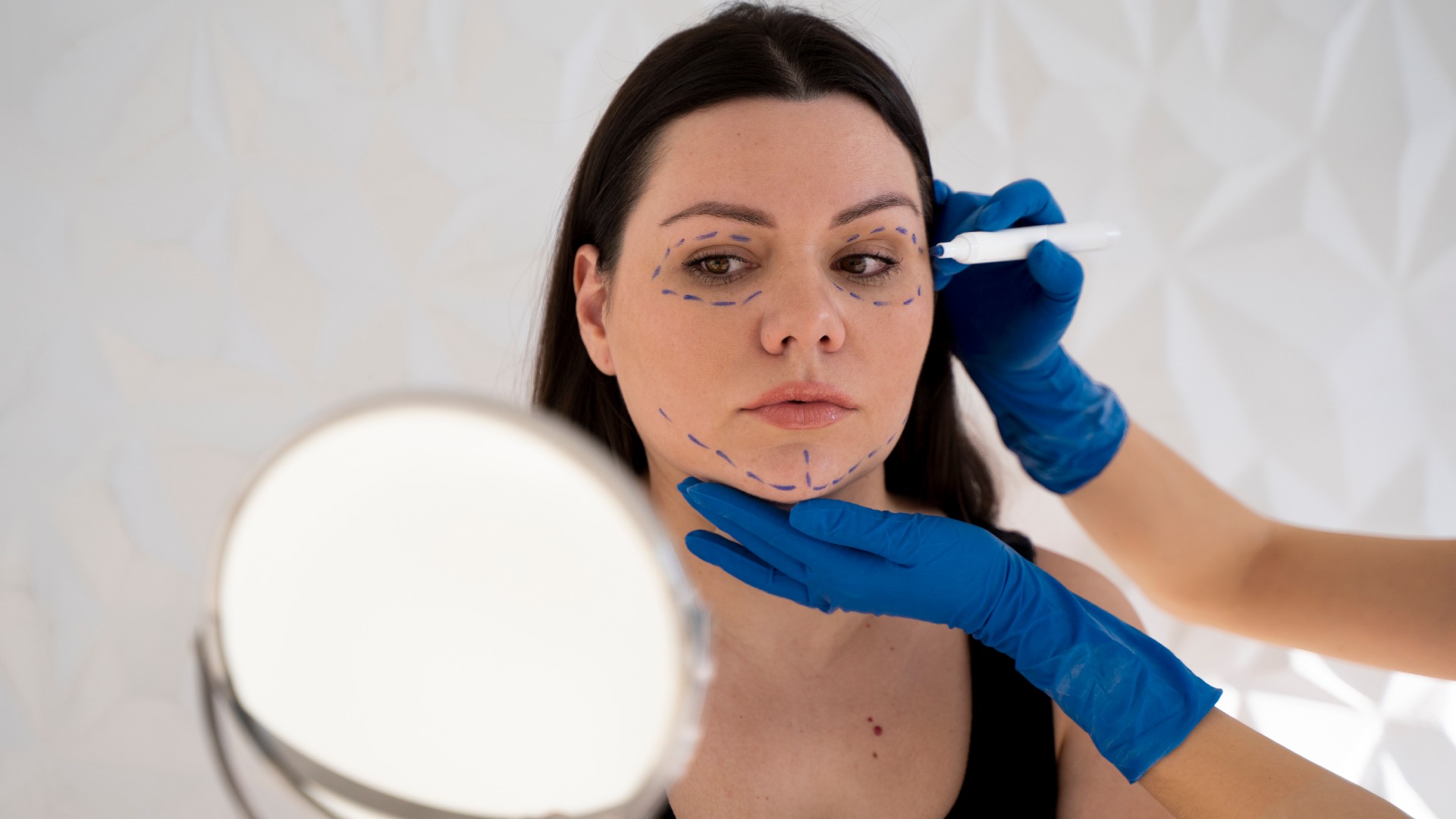
More and more people are turning to dermal fillers to reshape their faces and erase the signs of aging. However, behind the promise of quick results lie serious medical risks. A recent British study, using ultrasound on 100 cases of complications, reveals a worrying reality: blockages of superficial and deep arteries can cause irreversible damage, ranging from skin loss to blindness.
Specific risks: when aesthetics become dangerous
Certain areas of the face are particularly sensitive. Fillers around the nose, for example, can endanger arteries connected to vital parts of the head. When a filler is injected too close to a blood vessel, it can cause a vascular occlusion. This blockage cuts off blood flow, leading to tissue necrosis and sometimes irreversible facial deformities.
This isn't simply a matter of a failed cosmetic result; it involves major medical risks. Practitioners and patients must be aware that behind a procedure that may seem innocuous lie serious consequences requiring immediate medical attention.
Ultrasound: a key tool for securing procedures
To limit these complications, researchers recommend the systematic use of ultrasound before any injection. This technique allows for precise visualization of the artery positions and safer procedure planning. In case of problems, ultrasound guides treatment, reducing the need to use hyaluronidase, which dissolves the filler but can itself present risks.
Despite these advances, the use of ultrasound remains limited in clinics. According to the British Association of Aesthetic Plastic Surgeons, it is increasingly popular but not yet widespread. Experts advocate for strict regulation of the procedures, performed only by trained healthcare professionals.
Towards stronger regulation
In light of the seriousness of observed complications, the British government is considering strengthening regulations surrounding invasive cosmetic procedures. A public consultation is planned for 2026 to discuss the new measures and ensure patient safety. The objective is clear: to limit risks by combining rigorous professional training, regulatory oversight, and public awareness campaigns.
While fillers continue to entice with their promise of "instant youth," these results serve as a reminder that prevention is key. Better information, safer practices, and stricter controls are essential to avoid tragic accidents.
Self-acceptance: beauty above all
Beyond the medical risks, it's crucial to reflect on what beauty truly means. Society imposes often unrealistic standards on us, and it's tempting to seek "perfection" through cosmetic surgery. Yet, every face is unique, every skin tells a story, and learning to appreciate them is a true act of freedom and well-being.
Accepting your face as it is, with its lines, marks, and authenticity, doesn't diminish your charm. On the contrary, it's a step toward lasting self-confidence and a positive body image. Turning to invasive procedures due to social pressure or to conform to external ideals can sometimes cost you more than expected—both in terms of health and self-esteem.
Doctors remind us that loving and caring for our skin and face begins with self-acceptance. Taking care of our skin, adopting healthy routines, and celebrating our natural features are safe and powerful ways to feel good about ourselves without jeopardizing our health.