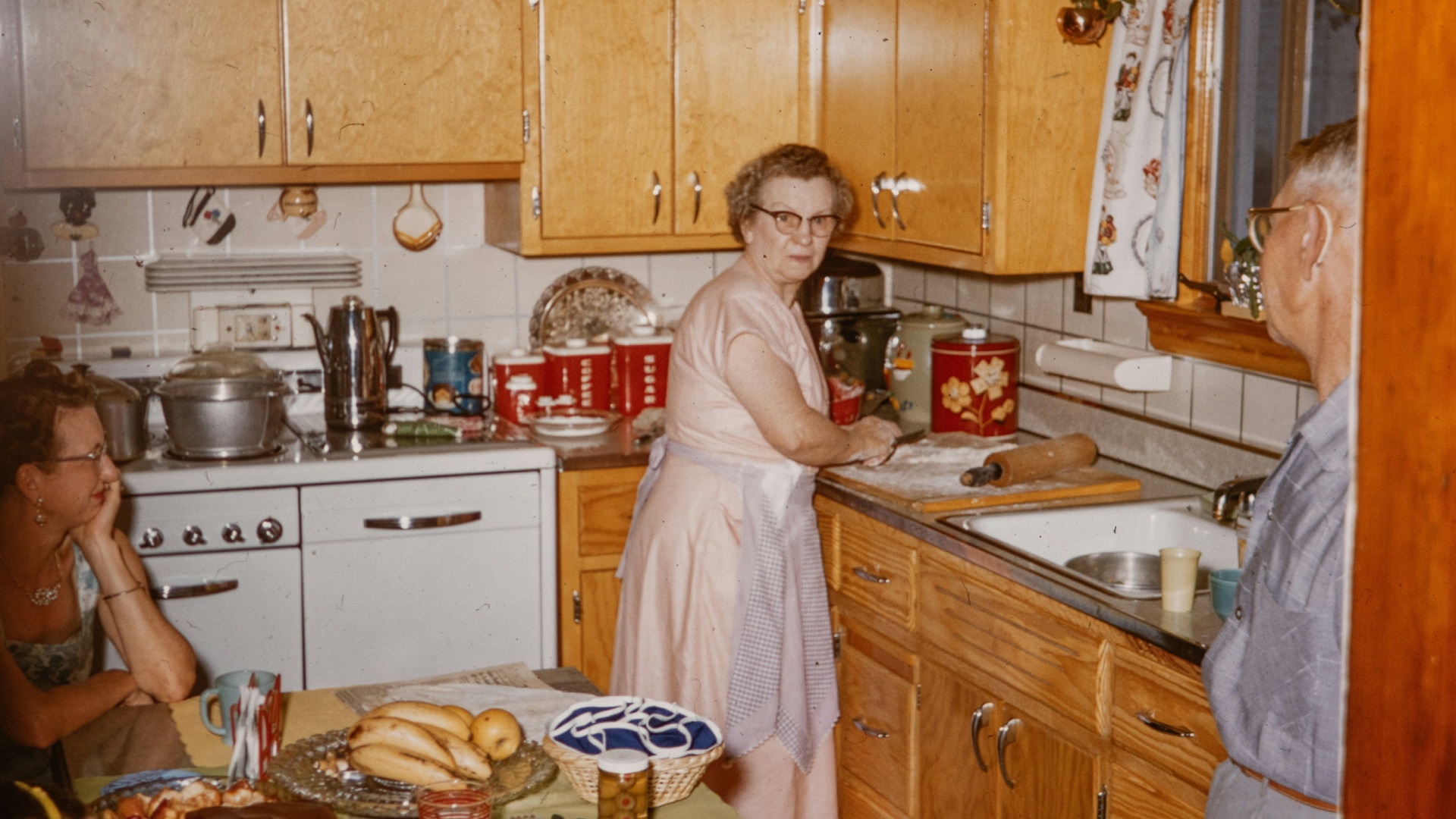
They have hectic schedules and enormous family responsibilities, yet they work for free, without any salary recognition. Housewives play the roles of secretary, nanny, housekeeper, and cook all at once. The problem is, this work isn't declared. Logically, they aren't supposed to receive a pension.
Invisible work that is difficult to quantify in retirement
Retirement is a dream for all working people, but it also raises some concerns. Many women worry they won't "have enough." At retirement age, women and men are not equal. Those who had to interrupt their careers due to one or more births must make up the missed quarters, and their hard-earned pension is less generous than men's.
According to the figures , women receive pensions that are 28% lower than men's on average. The reasons? Career choices in less prestigious service sector jobs, persistent wage inequalities, and varying lengths of maternity leave. Stay-at-home mothers, meanwhile, suffer a double penalty and find themselves in a blind spot, almost "outside the system."
Despite years of shouldering household chores, preparing lunches for the whole family, and nurturing children from their first steps to their final goodbye, they are sorely lacking in recognition. While the saying goes that "all work deserves pay," it would seem that folding laundry, vacuuming, or changing diapers are considered voluntary work or simply "goodwill." Yet, in France, stay-at-home mothers are not denied a pension. It simply doesn't take the same form as that of employed individuals.
The amount that housewives can expect in retirement
The website Ma retraite en clair (My Retirement Made Clear) has compiled a list of the rights of these women, who are often overlooked in the process. With a simple registration with France Travail (the French employment agency), it is possible to validate up to six quarters of pension contributions. However, this has no bearing on the final retirement pension. Where stay-at-home mothers can benefit is by applying for the old-age insurance for stay-at-home parents (AVPF).
This allows the CAF (Family Allowance Fund) to cover their retirement contributions. However, this affiliation is subject to certain conditions, such as receiving the family supplement – granted in particular to families with at least three children – or caring for a child or adult with a disability who has a permanent disability rate of at least 80%.
Without pension contributions, there is normally no standard pension. However, a homemaker can receive the ASPA (minimum old-age pension) from age 65, subject to income requirements. This represents approximately €1,043 gross per month for a single person in 2026 and €1,620 gross per month for a couple.
What if housewives received a salary?
While in the past, the status of housewife was imposed rather than chosen with full awareness, today it's a very personal decision. Alongside the " tradwives ," those controversial online housewives who perpetuate a patriarchal ideal, there are mothers who want to see their children grow up and dedicate themselves fully to their upbringing. Often called "domestic goddesses," they don't just watch "Desperate Housewives" while ironing shirts. They're everywhere. Budget manager, educator, tutor, laundry worker… a single page on their resume wouldn't be enough to list all their skills.
According to INSEE (the French National Institute of Statistics and Economic Studies), this domestic work, often dismissed as utterly mundane, is practically equivalent to a 34-hour workweek. In a utopian world that will unfortunately never exist, stay-at-home mothers would therefore earn between €50,000 and €60,000 per year. That's as much as an executive working in finance. To arrive at this estimate, experts added together the average salary for each position that stay-at-home mothers hold.
The debate is not simply about how much these women should receive once they reach retirement age. It questions our collective way of valuing care, education, and domestic organization—essential roles that are still too often relegated to the shadow of so-called "productive" careers.