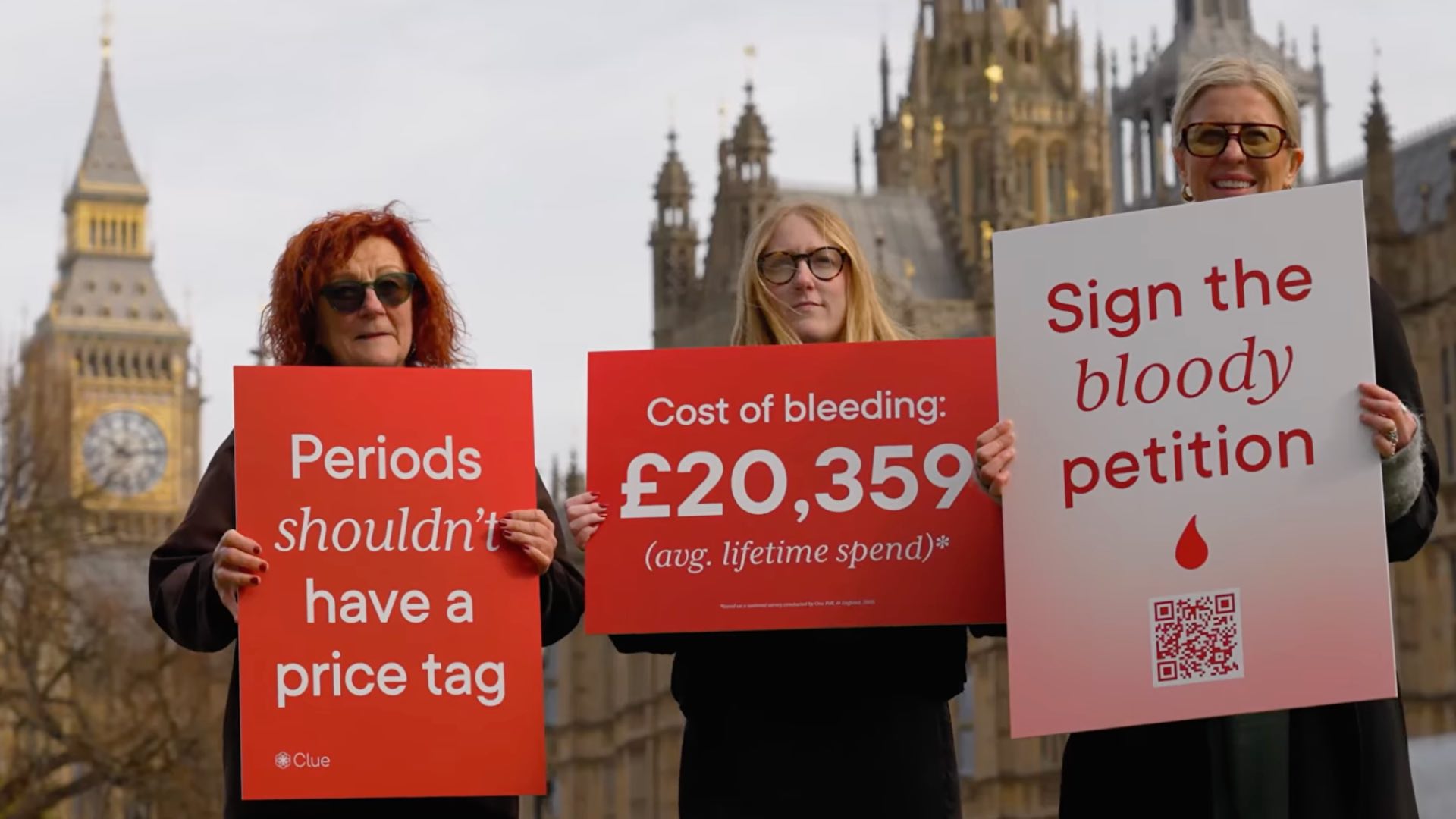
Periods are often discussed in terms of the body, the cycle, or emotions, but their cost is much less frequently addressed. A recent study puts things into perspective: over a lifetime, menstruation represents a significant expense.
A cost far exceeding that of protective equipment.
When we think of periods, we first imagine menstrual products, but the reality is much broader. According to an analysis shared by the Clue app as part of its "Cost of Bleeding" campaign, a menstruating person could spend up to approximately €25,000 over their lifetime.
This figure includes, of course, menstrual products (pads, tampons, menstrual cups, or period underwear), but also other often-overlooked expenses: pain relievers, certain medical consultations, or even the costs associated with small, unexpected daily needs like laundry or clothing. Taken individually, these purchases may seem modest, but accumulated over years, they end up representing a significant budget.
Expenses that span decades
Menstruation is a significant part of life. On average, a person can menstruate for 35 to 40 years. This translates into regular purchases, month after month, year after year. This rhythm creates a continuous expense, integrated into daily life and often going unnoticed. Unlike other one-off healthcare costs, these accumulate over time.
In addition to these costs, there may be expenses related to menstrual health: pain, premenstrual syndrome, or conditions like endometriosis. In these cases, medical expenses can increase, depending on the needs and access to care. Some people choose reusable solutions, such as menstrual cups or period underwear. These options can reduce costs in the long run, even if they require a larger initial investment.
An economic reality that is still little discussed
Despite its impact, the cost of menstruation remains largely absent from discussions about purchasing power or public health. Yet, many organizations are now talking about "period poverty." This term refers to situations where some people have difficulty accessing adequate menstrual products. In France, 4 million menstruating people lack access to menstrual hygiene products.
In several countries, studies show that some women have to make budgetary choices or turn to less comfortable alternatives due to a lack of sufficient resources. Faced with this situation, initiatives are emerging: free distribution of sanitary products in some schools and universities, local actions, and awareness campaigns.
View this post on Instagram
Highlighting an invisible cost
With its campaign, Clue aims to make visible what is not always seen. The idea is to raise awareness of an often underestimated economic reality. These expenses, because they are spread out over time and linked to personal matters, easily go unnoticed. Yet, they are an integral part of many people's daily lives. Bringing them to light also opens up discussions about access to menstrual products, considered by many to be essential items.
Towards a more holistic view of menstrual health
In recent years, menstrual health has gradually gained visibility. There's more talk about pain, the cycle, well-being… and now, the cost. Acknowledging these expenses also means recognizing the real needs of the body. Your body, with its rhythms and variations, deserves to be respected, listened to, and supported, without taboo or minimization.
Ultimately, this estimate highlights a simple truth: menstruation is not just a biological experience. It also has a tangible impact on daily life. By quantifying this reality, the study helps shift perspectives and encourage a fairer, more informed, and more inclusive approach to health.