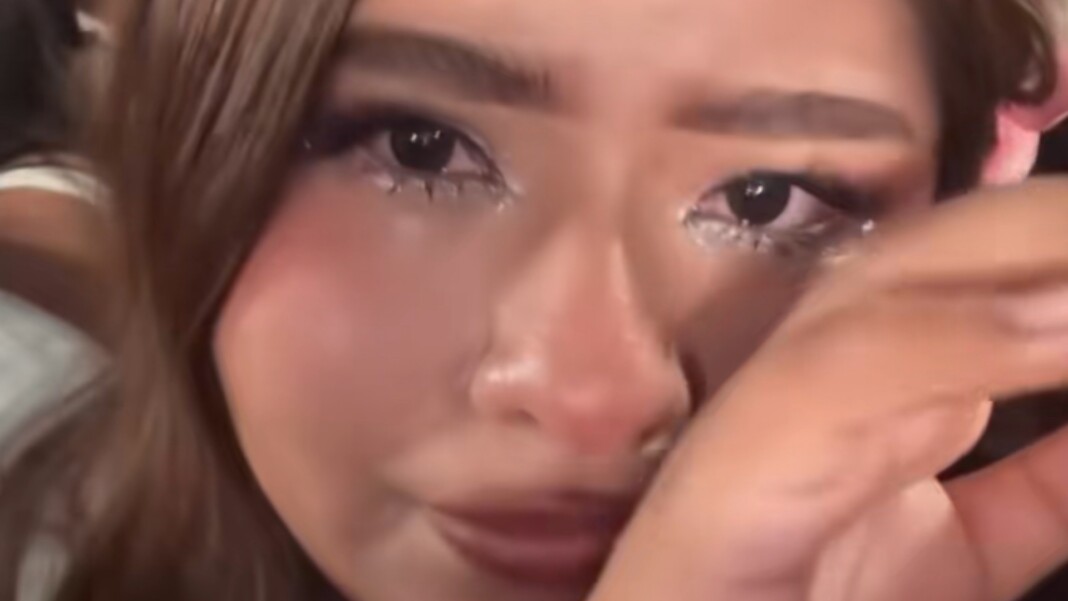
What was supposed to be a festive evening turned into a nightmare for a young woman attending a concert by Puerto Rican rapper and singer Bad Bunny. Her account, recently shared on social media, has sent shockwaves far beyond the concert hall. Mockery, comments about her appearance, verbal harassment: this violent behavior raises questions about the gap between the values promoted by Bad Bunny and the attitude of some members of the audience.
An evening ruined by insults
The young woman, Angelina Carlisle, recounts being targeted by several men in the crowd on January 17, 2026, because of her appearance. One of them allegedly made a cutting remark: "People like you should pay double," prompting laughter from her friends and consternation from several witnesses. This moment of humiliation, occurring in an environment meant to be inclusive, deeply affected the victim. Angelina Carlisle had expressed her excitement on social media about seeing Bad Bunny in concert—an anticipation abruptly shattered by a gratuitous attack based solely on her looks.
View this post on Instagram


The video goes viral, and a wave of solidarity takes hold.
Shortly after the incident, Angelina shared her experience on Instagram and TikTok. Views quickly skyrocketed, reaching several million within hours. Outraged reactions multiplied: anonymous users, content creators, and body positivity activists all denounced the discriminatory behavior, deemed unworthy of such an event.
Among the comments, one phrase kept recurring: "No one should have to endure this, especially in a place that's supposed to be safe and festive." Other internet users pointed out Bad Bunny's commitment to self-acceptance, expressing astonishment that such attitudes could still exist among his audience.
Despite a few rare comments questioning the seriousness of the situation, the massive support for Angelina has elevated her to the status of a symbol of a broader problem: the normalization of fatphobic remarks and judgment of women's bodies in public spaces.
A dissonance with Bad Bunny's inclusive image
For several years, Puerto Rican singer Bad Bunny has built his image around diversity, rejecting gender norms, and celebrating non-conforming bodies. He is one of the few mainstream male artists to embrace a queer aesthetic, advocate for LGBTQIA+ rights, and appear in dresses on magazine covers.
This attack, which occurred during one of his concerts, reveals a stark contrast between his messages and the actions of some of his audience. It raises a broader question: how can we guarantee safety and genuine inclusion at mass cultural events?
A collective challenge: rethinking festive spaces
Angelina Carlisle's case goes beyond her personal experience. It highlights a reality experienced by many women: that of having to justify their existence in public spaces, of bearing the weight of stares and comments, even in places that are supposed to be welcoming.


This isn't the first time Bad Bunny concerts have been marred by controversy – but this particular case, so visible and symbolic, could be a landmark. It reignites the debate on audience responsibility and the importance of creating truly respectful environments, consistent with the values that artists themselves uphold.
A case symptomatic of a broader malaise
Angelina's story is not an isolated one. It is part of a broader struggle for the recognition and respect of all bodies and all identities. What happened on January 17th raises questions: why do so many people still consider it legitimate to judge or belittle others in public? And what will it take for the voices of victims to no longer be questioned, but heard and acted upon?
In short, concerts, festivals, clubs, and party venues must return to what they promise to be: spaces of freedom, joy, and equality. The outrage sparked by this testimony shows that a large part of the public is aware of this. It remains to be seen whether this awareness can be translated into action.