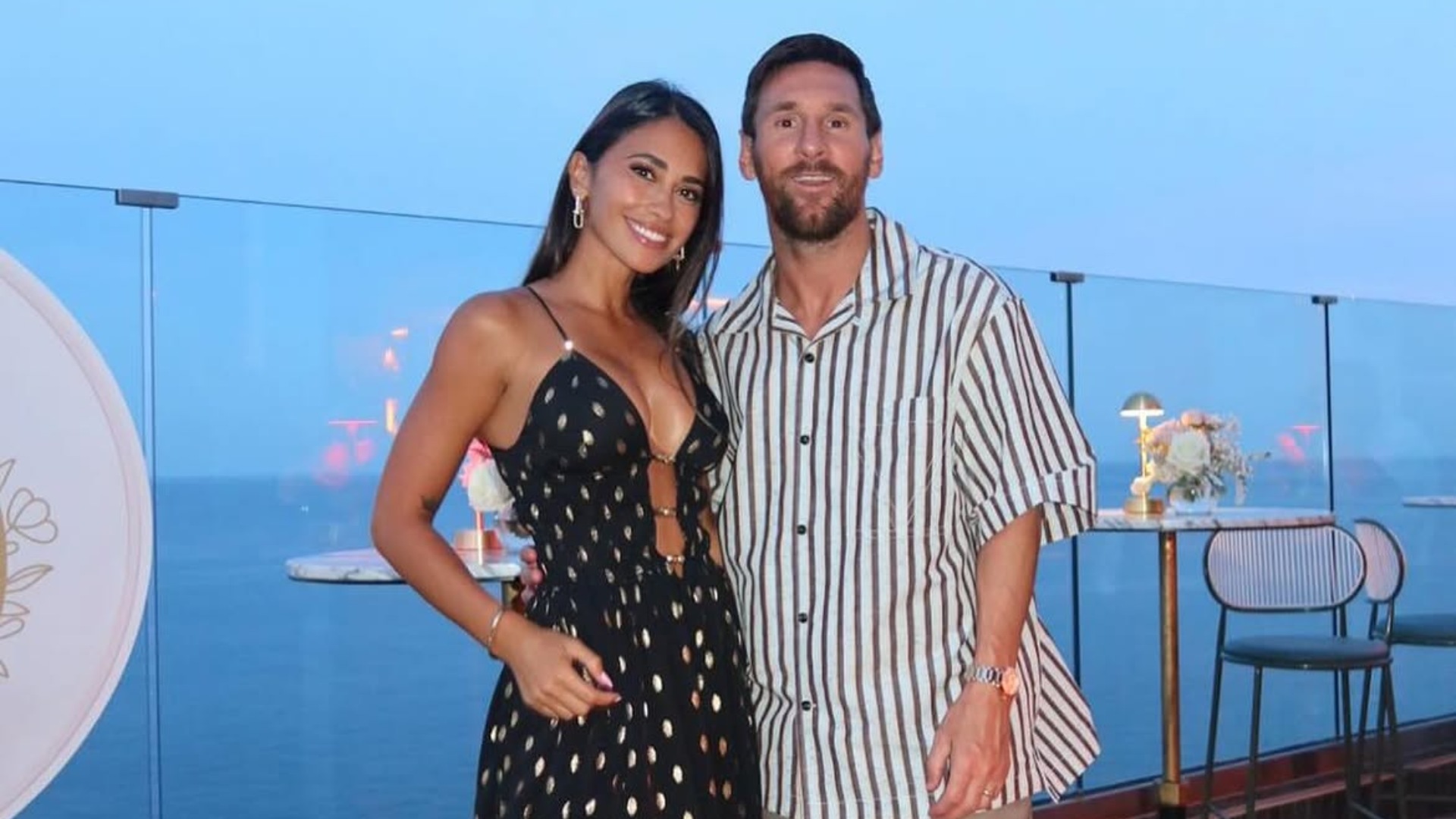
Captured in the stands during this 2026 FIFA World Cup™, their lives are recounted in the pages of the celebrity press, which regularly scrutinizes them. Presented as "footballers' wives" as if they had no identity or first name, they remain in the shadow of their partners, but also experience celebrity vicariously. In the collective imagination, they have a poor reputation and are subjected to intense public scrutiny for their every move. Sexism clings to those known as "WAGs."
Footballers' wives, regularly criticized
As the 2026 FIFA World Cup unfolds on screens and draws to a close, eyes aren't only glued to the pitch. They regularly linger on the footballers' partners, these "wives and girlfriends" who seem to thrive only through their husbands' exploits and who find themselves, despite themselves, at the center of attention. The covers of celebrity magazines are devoted to those who make the players' hearts beat faster, their number one fans. Labeled "lucky" or even "privileged," they have no room for error and endure the same pressure as the players on the night of the final.
While their teammates battle for the ball and make crucial passes, they're playing another game: the battle for their image. They're not defending goals, but their dignity in an environment that delights in discrediting them and treating them like imposters or extras. Gossip fans, who scrutinize celebrity scoops to make sense of their daily lives, know more about these women's last meal or the price of their engagement rings than about their male counterparts' footballing achievements.
Recently, Ester Exposito, the partner of French international footballer Kylian Mbappé, who didn't need the captain's support to achieve fame, faced vicious criticism for dancing for a few milliseconds with Bad Bunny. Fans of the man the press calls "the man for the job" spontaneously accused her of infidelity. In 2006, during the World Cup, Victoria Beckham, the epitome of the "WAGs," also experienced this latent hatred. Blamed by the tabloids for England's poor performance, who accused her of distracting the players, she found herself in a vulnerable position. And that was just a small warm-up for the judgments she would face.
The persistent image of the mercenary woman
Whatever they do, whatever they say, every opportunity is seized to remind these footballers' wives that they don't hold a candle to their numbered partners. They, who are supposed to "earn" their status and simply serve as showcases or objects of fantasy, see their love judged by strangers who cry foul, accusing them of "self-serving" romance. For many, these women have money for eyes and wads of cash in their chests.
Georgina Rodriguez, the wife of Portuguese international footballer Cristiano Ronaldo, has long been saddled with the "gold digger" image. Yet, the model , who reclaims her story in the Netflix documentary series "I Am Georgina," has built her own empire and amassed a personal fortune estimated at over $10 million. This is less than her husband, who has accumulated over a billion dollars, but certainly enough to be financially secure for the rest of his life.
While footballers' wives and girlfriends often perpetuate the stereotype of the gold digger, they earn more than the professional female footballers themselves, who make 100 times less than their male counterparts. WAGs (wives and girlfriends) generate curiosity, fascination, and rumors, while the athletes themselves struggle for visibility.
The prime target of offensive sexism
Both a "trophy wife" and an "object," the footballer's wife is often dispossessed of her body and her image. The tabloids reduce her to her appearance with exclusive photos taken from beach outings, while men see her as a source of titillating distractions. Judging by media coverage and viral comments, footballers' wives are nothing more than a silhouette, a face, a label.
When they wear modest outfits like Rima Edbouche, the wife of French international footballer Ousmane Dembélé, or when they are discreet like Antonela Roccuzzo, wife of Argentinian international footballer Messi, internet users retaliate. When they make more noise, achieve things independently of their spouses, succeed on their own, and post selfies, they are deemed "superficial."
In this ruthless world, which challenges all the old sexist principles, footballers' wives and girlfriends have no respite. Sometimes pitted against others, as illustrated by the "Wagatha Christie" affair, sometimes sexualized , they must absorb the blow of outdated beliefs. While their partners represent a nation, they bear the weight of stereotypes and sexism.
The transfer market of beauty standards
While players often fly under the radar of national team selectors during their careers, footballers' wives and girlfriends also have criteria to meet to secure this prestigious role. Fans have almost higher expectations of these women than the players themselves, who are always given excuses such as poor form, fatigue, a lingering injury, or inclement weather. There's a whole set of expectations surrounding them: youth, thinness, and a strong adherence to beauty standards.
And when they don't fit into this highly standardized mold with its precise measurements, they are subjected to a virtual lynching. Lauren Fryer, partner of Arsenal star Declan Ryce, endured such virulent fat-shaming remarks that she chose to withdraw from social media. Declared "not pretty enough" for a man of his stature, as if physical appearance were a woman's only value, Lauren's story exposed this insidious selection process imposed on footballers' wives and girlfriends.
Many female fans dream of being in the shoes of footballers' wives. They would have a front-row seat at the stadiums, but also be exposed to sexist remarks. Essentially, footballers' wives act as a defensive shield: they take the blows, absorb the misogynistic criticism, and become the prime target in a match where prejudice always seems to be the dominant force.