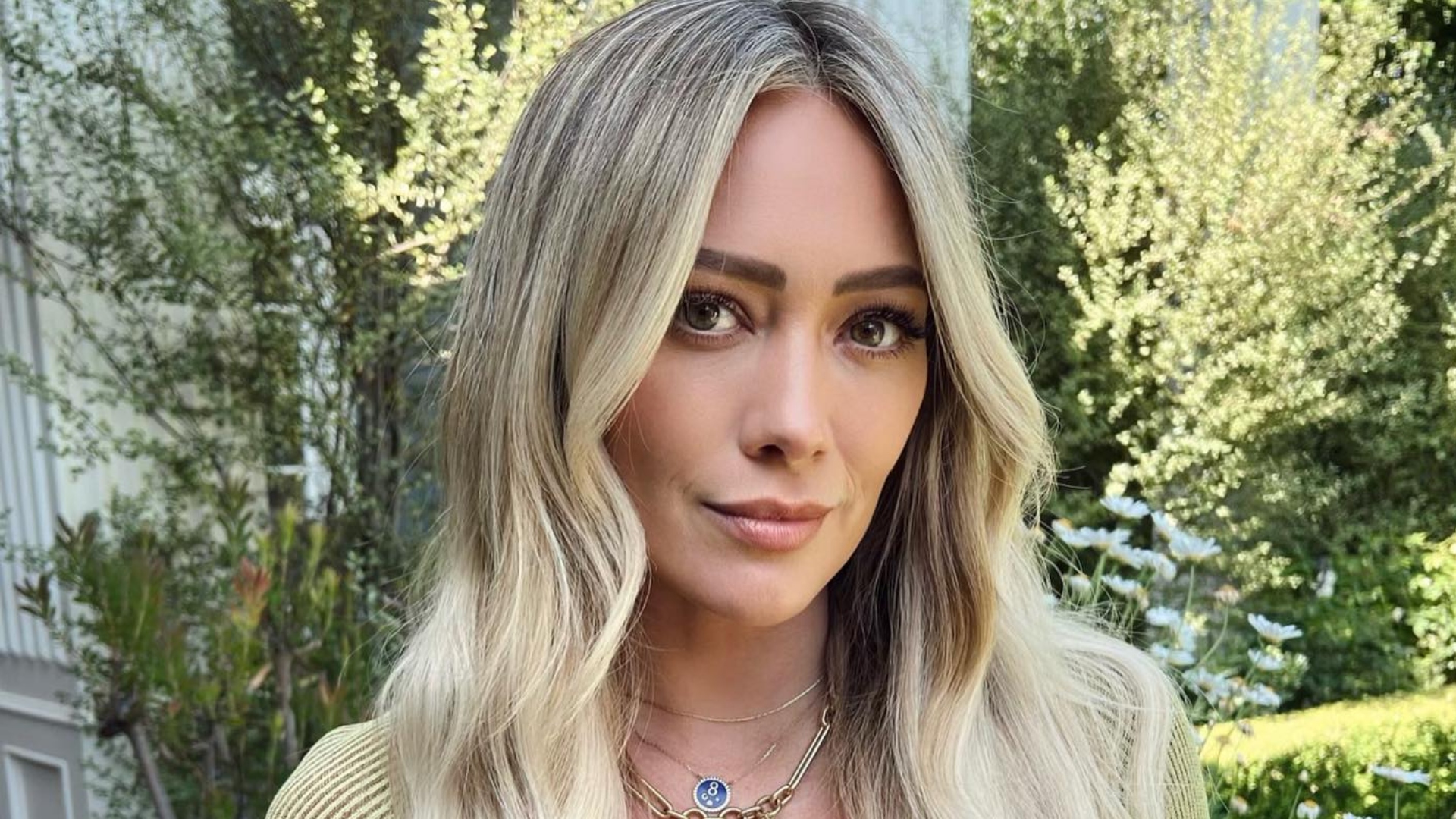
American actress, singer-songwriter, writer, stylist, and producer Hilary Duff speaks candidly about her breastfeeding struggles, a subject that still deeply affects her. A guest on the February 25, 2026 podcast "Call Her Daddy ," the "Lizzie McGuire" star discusses the pressures of being a "stubborn new mom" with her four children.
Intimate struggles with breastfeeding
Hilary Duff, mother of Luca (13), Banks (7), Mae (4), and Townes (21 months), reveals that her breastfeeding experiences were marked by frustration, particularly with her youngest, Townes. "She wasn't gaining weight, I was breastfeeding her non-stop, and yet she was my fourth child… I was so stubborn about not supplementing!" she confided to host Alex Cooper. She describes a visceral feeling of failure: "You want to be everything for your child, you carry them, you give birth… And yet, it didn't feel natural to me, unlike what you see on Reels." After a two-week break, Hilary Duff explains that she felt immense relief, despite the initial guilt.
View this post on Instagram
Societal and personal pressure
The former Disney star emphasizes this instinctive pressure: "We're programmed to nourish our child with our bodies, while men only have one thing to do." Breastfeeding with Luca was the longest; each subsequent child was more complicated, until she freed herself from the judgment. Hilary Duff had already shared these struggles: in 2021 with Mae, she discussed her low milk supply; in 2019 with Banks, switching to bottle-feeding freed her up for more family time.
A liberating testimony for mothers
By breaking the taboo, Hilary Duff encourages new mothers not to feel guilty about the realities of breastfeeding. Her message, which has been consistent since her home water births of Mae and Townes, celebrates all forms of motherhood as "magical and challenging adventures" deserving of recognition.
Through her posts on social media and in interviews, the actress emphasizes the importance of openly discussing the postpartum period: extreme fatigue, hormonal roller coasters, physical pain, but also unconditional love and a sense of empowerment. She reminds us that every experience is unique and that there is no single "right" way to be a mother. By sharing candid moments of breastfeeding, vulnerability, and self-doubt, she helps to normalize realities that are often silenced.
Ultimately, this frank and uninhibited approach resonates with millions of mothers, as Hilary Duff reminds us that all forms of motherhood—exclusive or mixed—deserve respect and support. Her message highlights the need for support—whether medical, familial, or community-based—and emphasizes solidarity among women. For her, acknowledging the challenges doesn't diminish the beauty of the journey; on the contrary, it allows us to embrace it in all its truth. Thus, far from idealizing motherhood, Hilary Duff offers an authentic vision: a demanding, sometimes exhausting, but profoundly transformative path, where every mother deserves kindness, respect, and admiration.