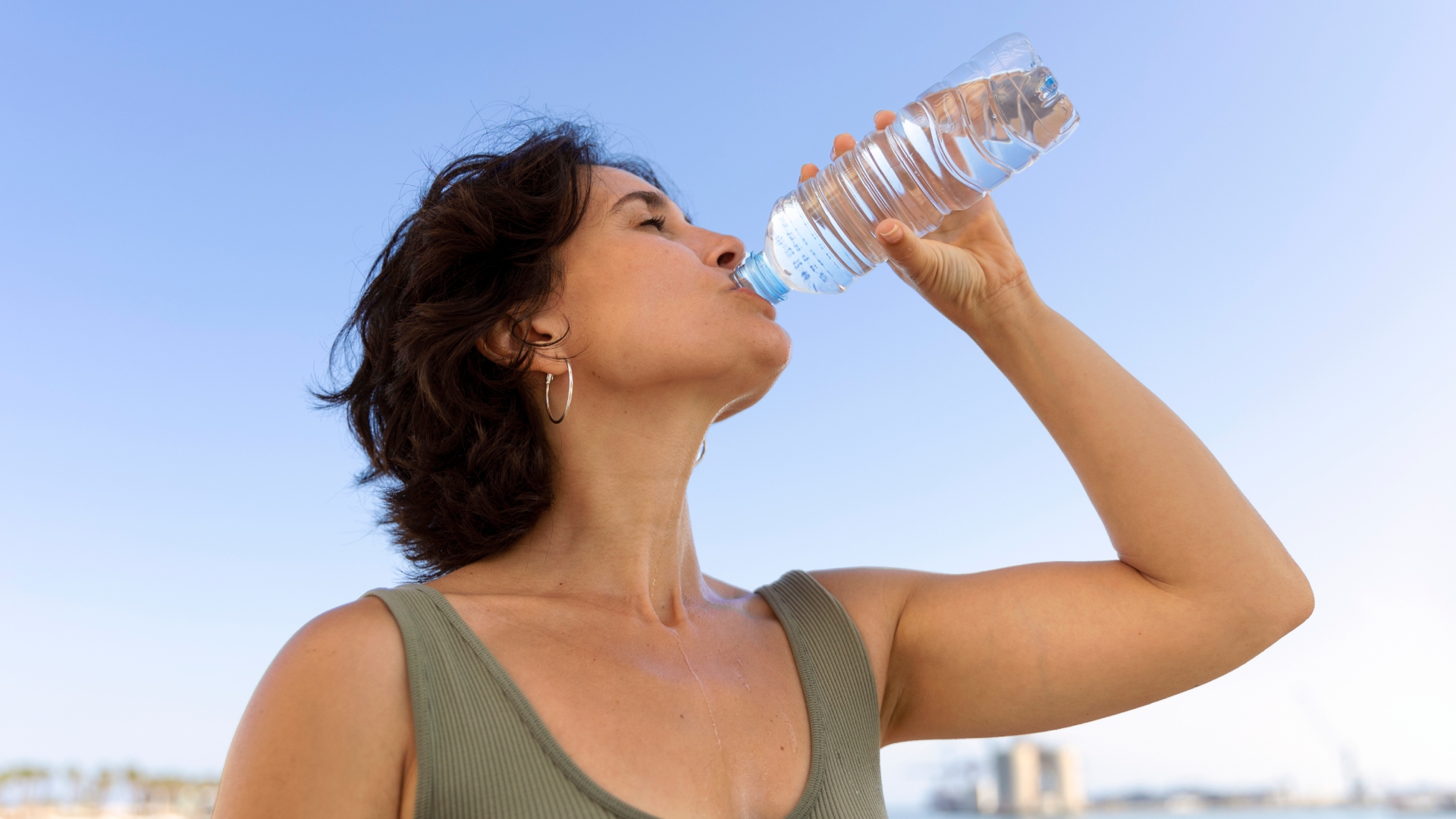
Water is essential for our bodies to function properly. Yet, many of us don't drink enough, often without realizing it. Insufficient hydration can manifest itself through a whole range of signs, sometimes unexpected ones. Here's how to recognize when your body might be asking for more water.
Thirst and urine color
The first and most obvious sign is thirst. But be careful: when thirst appears, the body is already slightly dehydrated. Another reliable indicator is urine color. Dark urine, tending towards amber, generally indicates insufficient hydration, while clear urine suggests good hydration. A simple indicator to monitor daily.
Fatigue, headaches and difficulty concentrating
Other, more subtle signs can also be warning signals. Fatigue, headaches, and difficulty concentrating are among the manifestations of dehydration. A study published in The Journal of Nutrition , conducted by Lawrence Armstrong and his team, highlighted this very link. The researchers observed that mild dehydration—only about 1.4% of body weight—was enough to negatively impact mood, increase feelings of fatigue and headaches, and reduce concentration in healthy young women. In other words, even a minimal deficit can have tangible effects.
Dry skin and mouth
A lack of water is also visible on the skin. Tight, dry, or less supple skin can indicate insufficient hydration. Similarly, a dry mouth, chapped lips, or a persistent feeling of thirst are all signs. These signs, often attributed to other causes, deserve attention.
Dizziness or a feeling of weakness
In some cases, a more pronounced deficiency can cause dizziness, weakness, or difficulty exerting oneself. These symptoms should prompt immediate hydration, especially in hot weather or during physical activity.
How to stay better hydrated
To avoid these inconveniences, it's best to drink regularly throughout the day, without waiting until you're thirsty. Keeping a bottle of water handy, varying your drinks with herbal teas or flavored waters, and eating fruits and vegetables rich in water are all effective tips. However, individual needs vary depending on age, activity level, and climate.
Thirst, dark urine, fatigue, headaches, or dry skin: these signs can indicate that you're not drinking enough water. By learning to recognize them and making a habit of staying hydrated, you can maintain your energy, concentration, and overall well-being.