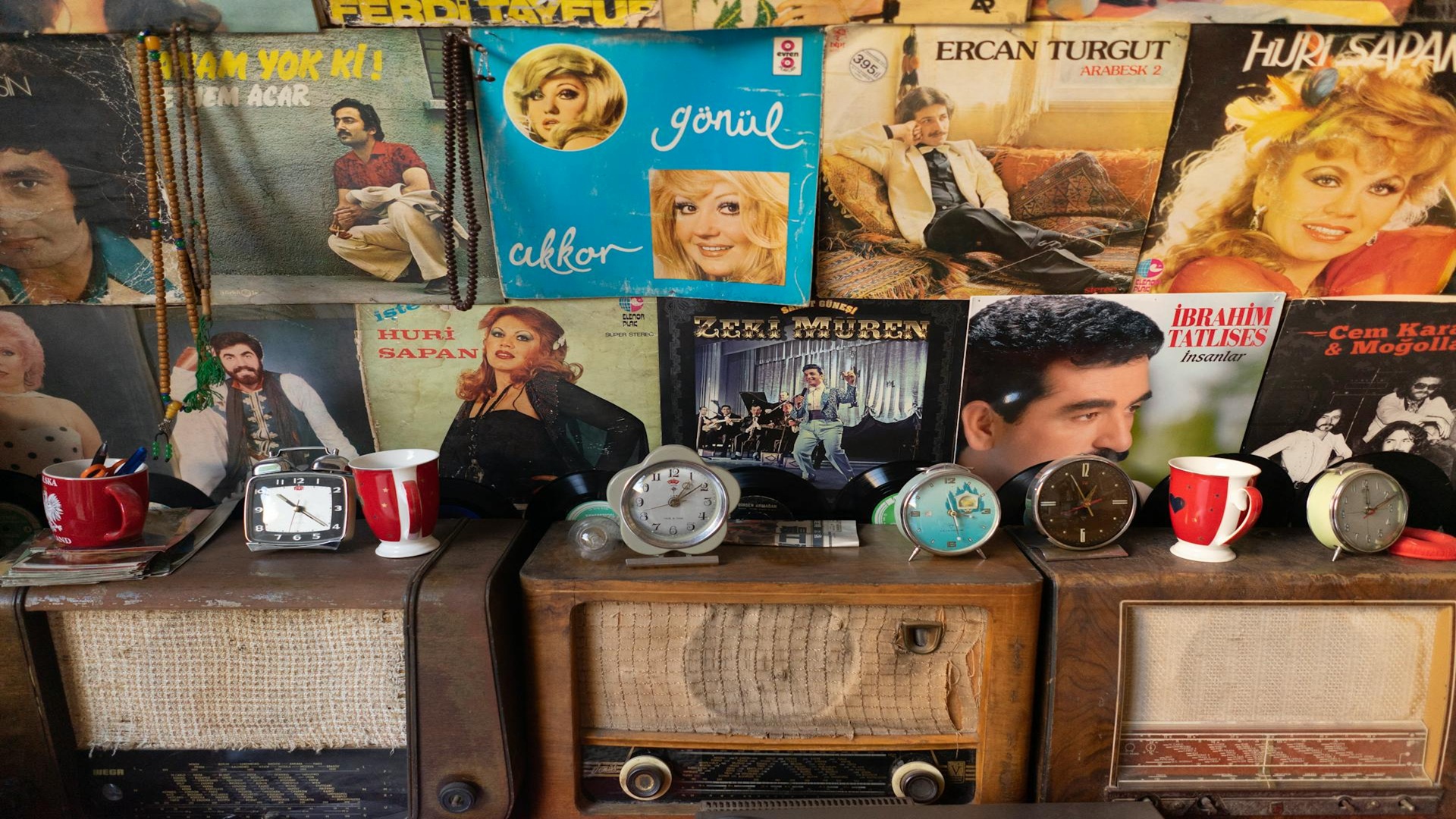
Vintage home decor has enjoyed unprecedented popularity for several years. Far from being a mere trend, this retro style has established itself as a deliberate decorative choice, rich in history and character.
Today we are witnessing a true renaissance of the aesthetics of past decades, driven by generations seeking to give new meaning to their interiors.
Choosing a retro style for your home means opting for rooms full of character, capable of telling a story. It's also a way to express your personality and stand out from the standardized interiors you see everywhere.
Here we offer you a complete guide to understanding, adopting and mastering this timeless aesthetic.
What is vintage decor: defining the retro style
The term vintage , in its strict sense, refers to objects or furniture produced between the 1920s and 1980s. Beyond this temporal definition, it embodies a very particular aesthetic, blending nostalgia, authenticity and refinement.
We often distinguish true vintage — genuinely old pieces — from retro style, which is inspired by it without being an exact reproduction.
This distinction is important. A truly vintage piece of furniture comes from a bygone era and bears the marks of time. A retro piece, on the other hand, can be made today, drawing inspiration from the visual codes of yesteryear.
The two approaches coexist harmoniously in successful decorating. The key lies in the balance between authenticity and modernity.
According to a study published by the French Design Institute in 2019, more than 42% of French people say they want to incorporate at least one antique or vintage piece into their home. This figure illustrates a deep desire for individuality and a connection to the past.
We see it every day in the way people arrange their spaces, whether it's a large apartment or a family home.
Retro style decoration is based on a few fundamental pillars: natural materials such as wood, leather and rattan, warm and earthy colors, geometric or floral patterns characteristic of certain decades, and finally patinated objects that bear witness to a life lived.
These elements, when combined properly, create a warm and unique atmosphere.
Key periods of vintage style you should know
Talking about vintage decor without specifying the era of inspiration would be like talking about music without mentioning the genre. Each decade has its own codes, its signature colors, and its preferred materials.
We will review the most influential periods to help you find your inspiration.
The 1950s: optimism in Formica and bright colors
The post-war period marked a turning point in the history of design. The 1950s saw the emergence of a domestic style imbued with optimism and modernity. Formica , a revolutionary synthetic material for its time, invaded kitchens.
The colours are bright — cherry red, lemon yellow, turquoise — and the shapes are rounded.
The designer Charles Eames , with his partner Ray, transformed the furniture of this period by offering sculpted chairs with organic shapes.
Their creations, still highly prized today, perfectly embody the spirit of the fifties.
Even today, we can find their iconic silhouettes in many contemporary interiors that claim this lineage.
To bring the spirit of the 1950s into your home, opt for a kitchen with checkerboard tiles, a refrigerator with curved lines, and chairs with tapered legs. Enameled metal light fixtures will perfectly complete the look.
This era is very well suited to large living spaces, where every detail can be highlighted.
The 1970s: the warmth of brown and macrame
The seventies left a particularly strong mark on contemporary decorative design. Brown, ochre, burnt orange: the color palette of this decade instantly warms up a room.
Macrame, hanging plants, and corduroy coverings are the most recognizable symbols of this era.
The bohemian style of the 1970s also reflects a quest for freedom and authenticity that we strangely find echoed in current aspirations. Large, enveloping sofas, shag rugs, honey-colored ceramic lamps: everything contributes to creating a welcoming and unpretentious space.
This aesthetic is perfectly suited to interiors that want to combine comfort and character.
How to incorporate vintage decor into every room
One of the great advantages of the retro style lies in its ability to adapt to every room in a house. From the living room to the bedroom, including the kitchen and the bathroom, every space can benefit from a touch of vintage authenticity.
We will detail the specific approaches for each room to guide you concretely.
The vintage living room: creating a warm and unique space
The living room is often the room where retro decor is expressed with the most freedom. It is here that large pieces of furniture truly come into their own.
A Chesterfield sofa in tanned leather, a club chair with generous armrests, a solid wood console with tapered legs: these are elements that immediately set an atmosphere.
We recommend pairing these pieces of furniture with carefully selected vintage accessories .
A pendulum clock, a beveled mirror, gilded wooden frames: each object contributes to the overall atmosphere.
Controlled accumulation is a characteristic of vintage style, provided it doesn't descend into disorder. The art of composition remains fundamental.
The choice of textiles also plays a crucial role. Thick velvet curtains, jacquard fabric cushions with geometric patterns, a Persian or Berber rug: these elements bring texture and depth to the whole.
Layering materials is a key technique for successful vintage decoration, accessible to all budgets.
The retro room: intimacy and authenticity
In the bedroom, the vintage style takes on a more intimate and personal dimension. The headboard often becomes the centerpiece of the design. A model in wrought iron, gilded brass, or carved wood immediately anchors the room in a distinctly retro aesthetic.
We suggest combining this central piece of furniture with more discreet elements: a chest of drawers with ceramic handles, a full-length mirror with a boudoir feel, a painted porcelain bedside lamp.
These delicate touches create a soft and enveloping atmosphere, perfect for relaxation. The vintage bedroom successfully combines modern comfort with the charm of yesteryear.
The bed linen also contributes to the retro atmosphere . Washed linen sheets, a patchwork quilt, pillowcases with eyelet embroidery: these textile choices reinforce the authentic character of the whole.
We also observe that these natural materials respond to a growing sensitivity for respectful and sustainable fibers.
Vintage kitchens: between nostalgia and functionality
The kitchen probably represents the most stimulating challenge for anyone wishing to adopt a retro interior .
The challenge is to reconcile vintage aesthetics with the practical demands of everyday life. Fortunately, many manufacturers have recognized the appeal of this style and now offer appliances with retro designs and modern performance.
Smeg, the Italian brand founded in 1948, is the perfect example of this successful alliance. Its refrigerators with rounded shapes and pastel colors have become icons of contemporary vintage kitchens.
We find them in kitchens that fully embrace their aesthetic choices, without sacrificing ease of use.
Beyond household appliances, the entire kitchen can be decorated with retro references.
Cement tiles with repeating patterns, open shelves of raw wood filled with glass jars, utensils suspended from a metal rail: every detail counts. Visual coherence remains the key to a convincing vintage kitchen.
Hunt for and find the right vintage pieces
Hunting for vintage pieces is one of the most authentic pleasures of this decorating style.
Flea markets, antique markets, garage sales, antique dealers, online platforms: the sources of supply are numerous and varied.
Each one has its own characteristics and offers different discoveries.
In France, the Saint-Ouen flea market , at the Porte de Clignancourt in Paris, remains the ultimate destination for lovers of antique furniture and retro objects. Founded in 1885, it welcomes tens of thousands of visitors from all over the world every weekend.
We find pieces from all periods, at prices that vary greatly depending on the sellers and the rarity of the objects.
Regional flea markets often offer better deals. They also allow for unexpected discoveries, far removed from the carefully curated selection found at larger markets. We highly recommend arriving early in the morning to snag the best finds before other buyers arrive.
Patience and regularity are the primary qualities of the accomplished antique hunter.
Digital platforms like Le Bon Coin or Vinted have profoundly transformed the market for vintage furniture and objects . They allow access to pieces located all over France, from the comfort of your sofa.
On the other hand, we emphasize the importance of carefully examining photos, asking questions about the actual condition of the items, and verifying dimensions before making a purchase. A beautiful piece that is poorly proportioned for its space will not fulfill its purpose.
Combining vintage and contemporary: the art of mixing styles
One of the most frequent mistakes is wanting to create a 100% vintage interior, as if recreating a museum or a movie set.
This approach can quickly give a static or artificial impression. We recommend instead mixing eras and styles, which ultimately results in a much more vibrant and personal look.
The principle of mix and match involves combining vintage pieces with contemporary elements. A low-slung sofa from the 1960s can easily coexist with an industrial-style glass and steel coffee table.
A Norman wardrobe can find its place in a bedroom with walls painted in modern colors. These deliberate contrasts create an attractive visual tension.
The unwritten rule we apply in these compositions: one third vintage to two third contemporary , or the reverse depending on taste.
The key is to maintain chromatic consistency and a visual thread that unifies the whole.
Without this link, the mix can quickly appear incoherent rather than bold.
Contemporary designers draw heavily on the formal repertoire of vintage styles to design their current collections.
The French brand Maisons du Monde or the Swedish brand IKEA, with its retro ranges, offer accessible alternatives for those who wish to adopt this style without going through the second-hand circuit.
These options also allow for standardized dimensions, which are easier to integrate into various spaces.
The colors and materials that define the retro aesthetic
The color palette is one of the most identifiable elements of the vintage style .
Depending on the era and inspirations, colors vary considerably, but certain shades consistently reappear in successful retro interiors.
We review them here to help you make your choices.
Celadon green, dusty rose, mustard yellow, terracotta, and duck egg blue: these are the emblematic colors of contemporary vintage style. These muted, deep hues blend with surprising ease with the brown woods and gilded metals that characterize antique furniture.
They immediately create an enveloping and distinguished atmosphere.
In terms of materials, solid wood remains the king of retro decor. Oak, walnut, teak, or pine: each type brings its own unique character. Patinated leather, corduroy, woven rattan, and slightly oxidized brass complete this material palette with plenty of character.
The presence of gold-colored metal is particularly appreciated for its warm reflections.
Floor coverings also play a full part in the retro identity of an interior. Provençal terracotta tiles, herringbone parquet flooring, cement tiles with geometric patterns: these floors tell a story and immediately anchor the space in an authentic style.
Moreover, we observe that these materials have experienced a massive resurgence in popularity since the beginning of the 2020s.
Sustainable vintage decor: a responsible approach
Beyond aesthetics, vintage decoration naturally fits into an approach of responsible consumption.
Buying antique or second-hand furniture prolongs its lifespan and avoids the production of new items.
This ecological dimension, even if it is not always the primary motivation of retro enthusiasts, constitutes one of the strongest arguments in favor of this style.
According to ADEME , the French Agency for Ecological Transition, the furniture sector represents a significant portion of household waste in France. Adopting a second-hand approach directly reduces this footprint.
We believe that vintage decoration thus offers a concrete response to current environmental challenges, while also providing aesthetic results that are often superior to mass-market furniture.
Restoring antique furniture is a particularly rewarding activity. Sanding, staining, revarnishing: restoring an old chest of drawers or a worn table requires time and patience, but the final result is incomparable.
These restored rooms often become the most beautiful in the house, the ones we are most proud of and that arouse the most curiosity among visitors.
This DIY approach fits perfectly into the vintage philosophy, which values handmade items, craftsmanship and care given to objects.
We encourage anyone who is hesitant to embark on this adventure: numerous and detailed tutorials are available online to accompany each step of the restoration, regardless of your prior experience.
Personalizing your retro interior: the expression of a unique style
Vintage decor draws its strength from its potential for personalization. Unlike standardized interiors that reproduce catalog-style looks, an authentic retro interior always bears the mark of its inhabitant. This is precisely what makes it so appealing and so unique from one space to another.
We are convinced that the choice of decorative objects reflects a sensibility, a personal history, tastes forged over time. A collection of vinyl records displayed on a shelf, carefully framed advertising posters from the 1950s, film cameras arranged on a console: these elements tell the story of who we are with an eloquence that new furniture lacks.
The arrangement of objects plays a crucial role in the success of a vintage interior. Grouping pieces by color, material, or era creates visually coherent compositions.
A brass tray holding a few trinkets, a series of antique frames arranged in a gallery on a wall: these arrangements transform simple objects into true artistic compositions.
Green plants integrate remarkably easily into retro-style interiors .
Ficus, monstera, philodendron, pothos: these tropical plants, very popular in the decor of the 1970s, are experiencing a spectacular comeback.
Their generous leaves bring a touch of life and nature that contrasts pleasantly with antique objects. We readily pair them with glazed ceramic or unglazed terracotta pots.
Finally, let's not forget that light radically transforms a vintage interior. From visible filament bulbs in blown glass globes, to floor lamps with fringed shades, to brass wall sconces with a soft light: lighting contributes as much to the retro atmosphere as the furniture itself.
We always prefer multiple, soft light sources to uniform, cold lighting, which is incompatible with the vintage spirit.
Whether you live in a large Haussmannian apartment or a country house, this style adapts to all types of spaces. You just need to mix and match retro elements intelligently, listen to your own desires, and not be afraid to experiment.
Vintage decoration is above all an invitation to travel back in time , a return to the sources of an authenticity that our era seeks with increasing intensity.