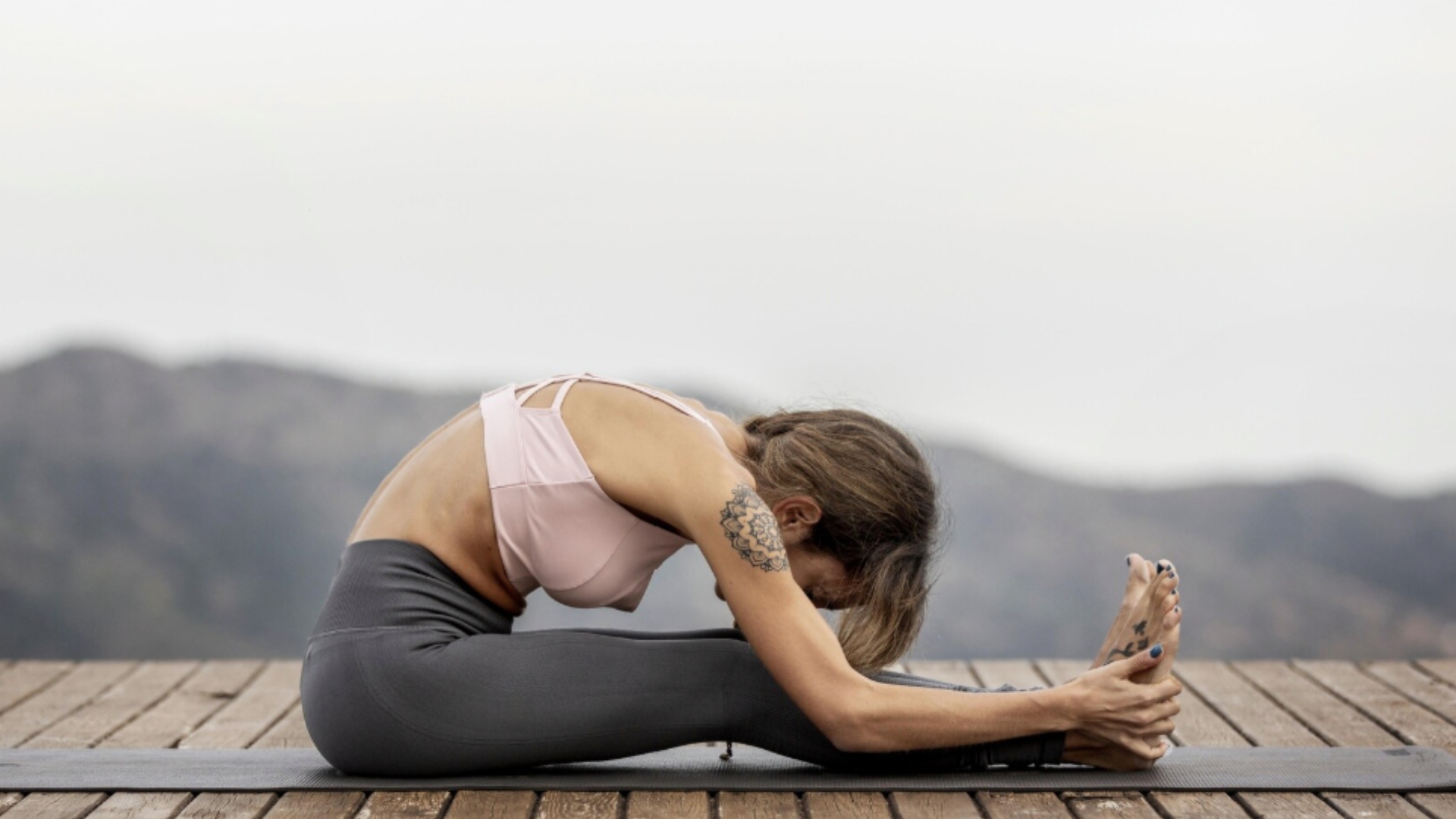
Period pain affects many women and can sometimes disrupt daily life. While some seek gentle solutions to better manage it, yoga appears to be a promising option. One pose in particular, the cobra pose, has shown encouraging results for some women suffering from menstrual cramps.
The cobra pose: a gentle movement for the body
Known as "Bhujangasana" in Sanskrit, the cobra pose is a classic yoga posture. Its principle? Lie on your stomach, place your hands under your shoulders, then gently raise your upper body while keeping your pelvis on the ground. This chest opening stretches the abdominal area and lower back, two regions often strained during menstruation.
Accessible to beginners, this pose requires neither special equipment nor extensive yoga experience. It can easily be integrated into a wellness routine, provided you listen to your body and never force it.
@serotoninflow Striking cobra yoga pose #yoga #yogatiktok #yogaflow #yogatips #fyp #beginneryoga ♬ Sahara - Hensonn
What a study on yoga and period pain reveals
The cobra pose was studied in a clinical trial published in the Journal of Pediatric and Adolescent Gynecology by researcher Zahra Rakhshaee. The aim was to evaluate the effect of three yoga poses—cobra, cat, and fish—on menstrual pain.
The study followed 92 young women aged 18 to 22 years suffering from primary dysmenorrhea, that is, menstrual pain without an identified gynecological condition. The participants were divided into two groups and observed over three menstrual cycles. Their pain level was then assessed using a specific scale.
The results showed a decrease in the intensity and duration of pain among participants practicing these postures. The researchers thus emphasized that yoga could represent a simple and accessible approach to support some women in managing their symptoms.
Why might this posture bring relief?
Several mechanisms can explain these positive effects. The gentle stretches performed during the cobra pose may help relax the muscles in the abdominal and lumbar regions, which are often tense during menstruation. The deep breathing associated with yoga also plays an important role. It promotes relaxation and can help better manage the sensation of pain.
In addition, yoga is known for its beneficial effects on stress, which can sometimes amplify the perception of physical discomfort. Moving gently, breathing, and taking a moment for oneself can therefore become true allies for some women during this time of their cycle.
A solution that is not suitable for all situations
While the results are encouraging, it's important to put them into perspective. This study involved a limited number of participants, primarily young women with no known gynecological conditions. Therefore, the cobra pose cannot be presented as a universal solution for menstrual pain.
Some women will experience genuine relief through yoga, while others will notice no change. Every body is different, and the effectiveness of this practice can vary from person to person. Especially in cases of endometriosis , adenomyosis, or other gynecological conditions, the pain can be extremely intense and debilitating. A single yoga pose may not be enough to alleviate symptoms related to an underlying illness. Yoga can potentially complement medical care, but it does not replace a proper diagnosis or treatment.
Severe menstrual pain should not be taken lightly.
Having your period shouldn't necessarily mean suffering. While some discomfort is common, severe, unusual pain, or pain that prevents you from living normally, shouldn't be considered inevitable. If you experience very painful cramps, periods that are difficult to manage, or symptoms that impact your daily life, it's essential to talk to a healthcare professional. This pain can sometimes be a sign of a gynecological condition, such as endometriosis, which requires appropriate treatment.
The cobra pose can thus be a beautiful invitation to take care of oneself and reconnect with one's body. Above all, it should be part of a process of self-listening: relieving symptoms, yes, but also seeking their origin when the pain becomes too intense.