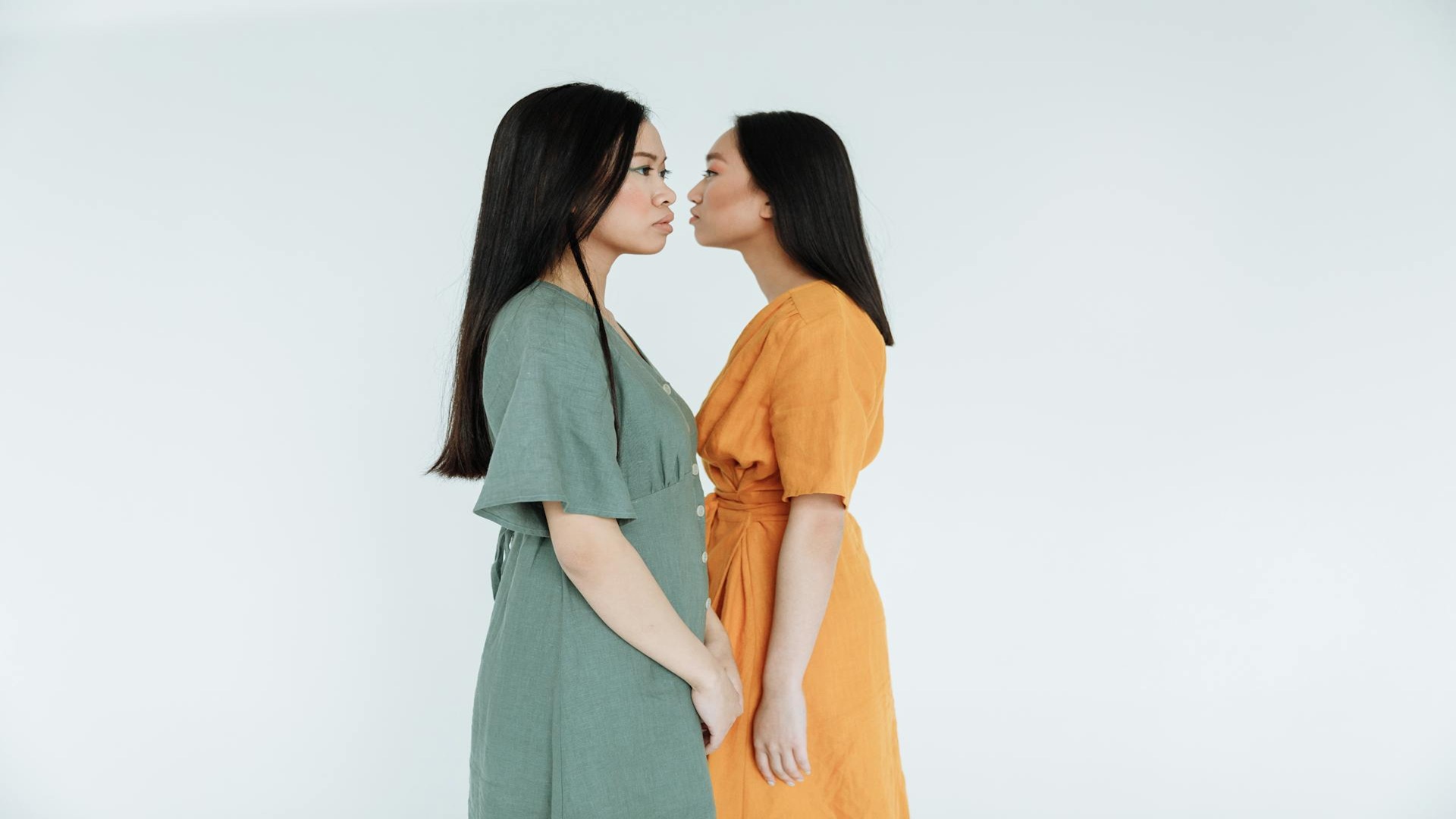
The women's house dress occupies a special place in the feminine wardrobe. Comfortable, elegant, and rooted in rich sartorial traditions, it transcends eras without ever losing its appeal.
From the bustling souks of Algiers to the colorful markets of Marrakech, this garment embodies much more than just everyday clothing.
Here we analyze the major categories of women's indoor wear, with a particular focus on Kabyle styles and oriental dresses .
Pieces that combine artisanal know-how, delicate embroidery and generous cuts to dress all silhouettes with care and respect.
The women's house dress: much more than just an everyday garment
Women's loungewear is often underestimated. Yet, it represents a considerable global market.
According to a 2023 study by Statista, the global lingerie and loungewear sector was worth over $38 billion. This figure illustrates the growing importance placed on well-being at home.
Far from being a default choice, the women 's house dress meets a genuine demand for comfort without compromising on style. Loose or fitted, short or long, in cotton or satin, it adapts to all body types and all occasions at home.
We are seeing a strong trend: women want to feel both comfortable and valued, even at home.
The diversity of available cuts plays a key role. Long sleeves for cool evenings, embroidered collars for an elaborate touch, zip or button closures for immediate practicality.
Every detail counts, especially for those looking for styles suited to a generous figure or specific measurements.
The choice of fabric remains crucial. Cotton is still the preferred material for its breathability. Viscose is appealing for its fluid drape. Flannel provides comfort in winter.
These materials shape the everyday wearing experience and determine the level of comfort felt. We will return to this topic in the following sections with concrete examples.
The Kabyle dress: a living tradition at the heart of the home
The Kabyle house dress has its roots in the Berber culture of North Africa. Originating from the mountainous regions of Kabylie, in Algeria, this garment embodies a strong cultural identity.
For centuries, Kabyle women have worn long dresses adorned with brightly coloured geometric patterns, symbols of their tribal affiliation and ancestral art.
What we call today the Kabyle house dress is a modernized version of these traditions.
It retains the distinctive elements—colorful embroidery, gold trim, loose cuts—while incorporating contemporary materials and modern finishes. The result is a piece that is both authentic and functional.
The dominant colors are often burgundy, dark green, midnight blue, or black, enriched with gold or silver threads. These deep hues highlight the embroidery and give the dress a majestic character.
For silhouettes of all sizes, these colours offer a particularly harmonious result.
The cut remains generous, with a length that often reaches the ankles. The sleeves are mostly long, embroidered to the wrists. Some models incorporate a belt or trim at the waist to slim the silhouette without constricting it.
We are seeing a real demand for these plus-size Kabyle outfits , and the specialist designers have understood this well.
Craftswomen like those in the Tiziri collective perpetuate this know-how by offering handmade Kabyle dresses, available in all sizes.
Their work reflects a revival of craftsmanship that is increasingly appealing to women seeking authenticity and comfort at home.
Embroidery and motifs: the visual language of the Kabyle dress
The embroidery on the Kabyle dress is not merely ornamental. It constitutes a true visual language, each motif carrying a precise meaning.
The diamond shapes symbolize femininity, the broken lines evoke the mountains, and the interlacing patterns represent the continuity of life. This rich symbolism makes the Kabyle dress an exceptional piece.
Embroidery techniques vary from region to region. In Tizi-Ouzou, cross stitches predominate. In the Béjaïa region, needlework embroidery is finer, almost ethereal.
These regional differences allow a trained eye to distinguish the origin of a garment. We encourage fashion enthusiasts to learn about these distinctions before making a purchase.
Gold or silver trim often runs along the necklines, sleeves, and hems. This signature detail gives the Kabyle dress its festive look, even when worn in a domestic setting.
It contributes to this characteristic duality: an outfit that is comfortable but worth seeing.
Many women wear their Kabyle dress for intimate family occasions: receptions at home, religious holidays, family reunions. The line between indoor wear and light ceremonial attire naturally blurs.
This is precisely what makes this model so strong and popular.
The oriental dress: elegance and femininity for the home
Oriental house dresses encompass a wide variety of designs inspired by the cultures of North Africa, the Middle East, and Central Asia.
From Morocco to Turkey, via Tunisia and Lebanon, each region brings its own interpretation of women's indoor attire.
These dresses are distinguished by their luxurious fabrics—satin, velvet, artificial silk—and their refined embellishments. Lace, tassels, ribbons, and floral appliqués characterize the most sought-after designs.
Worn with family or to receive loved ones, they combine elegance and practicality.
The Moroccan djellaba is one of the most iconic examples of oriental robes for the home. Long, flowing, with an optional hood and embroidery on the front, it is perfectly suited to indoor living.
The city of Fez is renowned for its handcrafted djellabas, woven by hand in family workshops passed down from generation to generation.
On the Tunisian side, the safsari and the jebba are part of the women's clothing heritage, even if their domestic use has evolved.
Long Tunisian dresses for the home often incorporate silk thread embroidery and ornate necklines. They offer optimal comfort while maintaining a certain modesty.
We note that women who wear sizes above 44 find in these oriental cuts — naturally generous — a rare comfort and freedom of movement.
The fluidity of the fabrics and the amplitude of the cuts allow for great bodily comfort, without any aesthetic compromise.
The materials that make the difference when choosing a house dress
Choosing a quality women's house dress inevitably involves choosing the material.
Cotton, polyester, viscose, satin: each fabric meets a specific need. We take a look at the most popular options.
Brushed cotton and flannel are essential in autumn and winter. Soft, warm, and breathable, these fabrics are perfect for long evenings at home without causing discomfort.
They are perfectly suited to long-sleeved styles and loose fits. For sensitive skin, organic cotton remains the best option.
Viscose is prized for its light drape and cool feel. Ideal for spring and summer, it gives house dresses a fluid and elegant look.
Less durable than cotton, it requires more careful maintenance: gentle washing, no high spin cycles. In return, it offers unparalleled comfort and a flattering visual appearance.
Polyester satin remains a popular choice for dressy outfits and gowns for special occasions at home. Its smooth, lustrous surface reflects light beautifully.
On the other hand, it's more breathable than natural fibers. We recommend pairing it with a lightweight lining for added comfort.
Velvet is making a big comeback in the collections of oriental house dresses. Thick, warm, and elegant in appearance, it gives Kabyle and oriental outfits a luxurious character.
Its shimmering reflections, changing with the light, contribute to the overall elegance of the piece. An ideal material for indoor formal wear in winter.
How to choose your house dress according to your body shape
The market for plus-size loungewear has changed considerably in recent years. Designers and specialist retailers now offer sizes from 38 to 58, and even beyond.
This development responds to a real and legitimate demand: every woman deserves to feel well-dressed at home.
For an apple-shaped figure, Kabyle empire-waist dresses —with their high line under the bust—offer remarkable abdominal comfort. The fluidity of the fabric drapes freely, without any restriction.
This type of cut naturally enhances the bust while allowing the stomach to breathe.
For a pear-shaped figure, Kabyle dresses with structured shoulders draw the eye upwards. Elaborate embroidery on the neckline and sleeves creates a visually balanced effect.
The ankle-length hem visually slims the overall silhouette.
For a rectangular figure, oriental dresses with belts or gathers at the waist introduce welcome curves. A braided belt or trim at the waist is enough to transform the cut and create femininity.
We observe that this simple detail radically changes the look of an otherwise very full dress.
For hourglass figures—regardless of size—almost all Kabyle and oriental styles are suitable. The key lies in choosing the right size: neither too tight nor too loose.
A well-fitting outfit remains the first condition for a neat and comfortable appearance.
Current trends: house dresses between tradition and modernity
The market for oriental and Kabyle dresses for the home has experienced a true renaissance since 2020. The Covid-19 pandemic has radically changed clothing habits.
Confined to their homes, millions of consumers rediscovered the importance of indoor comfort. Sales of women's loungewear jumped by more than 35% in France between 2020 and 2021, according to figures from the French Federation of Women's Ready-to-Wear.
This trend has benefited designers of modern Kabyle dresses and boutiques specializing in ready-to-wear oriental clothing.
Many brands have incorporated contemporary design elements: more structured cuts, updated color palettes, and eco-friendly materials. Authentic craftsmanship is now combined with sustainability requirements.
Long oriental house dresses are worn both at home and for informal outings in the neighborhood. This versatility explains their growing popularity.
Algerian, Moroccan and Tunisian influencers on Instagram actively contribute to their popularity, particularly among the diaspora in Europe.
We are also noticing a growing demand for matching mother-daughter sets or sets available for the whole family.
This phenomenon of coordinated family attire is part of a broader trend of valuing household clothing as a vehicle for shared cultural identity. The house dress thus becomes an object of transmission.
Designers like Nadia Chaïb or the specialist houses in the Barbès district of Paris perfectly illustrate this dynamic.
They offer collections that respect traditional codes while incorporating contemporary expectations in terms of cut, comfort and size inclusivity.
Where to find the best women's house dress styles
The question of the best place to buy a Kabyle or Oriental house dress comes up frequently. Several options exist, each with its own specific advantages. We guide you in this choice according to your priorities.
Specialty shops selling North African clothing remain the go-to destination for those seeking authenticity. In major French cities like Paris, Lyon, Marseille, and Lille, entire neighborhoods offer a wide selection of Kabyle and other oriental loungewear.
Direct contact with the material and the possibility of trying on the garment remain undeniable advantages.
Online shopping has significantly expanded the available selection. Specialized websites offer hundreds of models in all sizes, with detailed information on materials, measurements, and size guides.
This option is particularly suitable for women looking for plus-size lounge dresses that are difficult to find in physical stores.
Ethnic markets and craft fairs offer a third interesting option. There you can find unique pieces, often made by independent artisans. Prices vary, but the quality of the craftsmanship is generally excellent.
We recommend checking the fabric composition and the durability of the embroidery before making any purchase.
For tighter budgets, some inclusive fashion brands offer modern interpretations of oriental-inspired loungewear.
Although less expensive, they offer good value for money and are perfectly suited for intensive daily use.
Care and durability: preserving your house dress over time
A quality house dress deserves proper care to last. Delicate embroidery and fine fabrics require special attention.
A few simple rules can help preserve the brilliance and structure of these precious pieces.
Hand washing remains the gentlest method for Kabyle and oriental embroidered dresses . Warm water, a mild detergent for delicate fabrics, and a careful rinse are all that's needed.
Avoid vigorous wringing which may distort the embroidery and alter the drape of the fabric.
If machine washing is necessary, choose the delicate cycle at a maximum of 30 degrees. Use a laundry bag to protect the ornaments.
Never use a tumble dryer for embroidered items: intense heat may shrink the fabrics and damage the decorative threads.
Ironing should be done inside out, at a low temperature, with a damp cloth between the iron and the embroidery. This precaution protects the colored threads and preserves the raised details of the designs.
For velvet garments , completely avoid direct ironing and opt for steam from a distance.
Store your house dresses flat or hanging on padded hangers, away from direct sunlight. Long-term storage in a non-plasticized fabric bag allows the material to breathe while protecting it from dust.
These simple steps significantly extend the life of your favorite outfits.
Women's house dresses: the essentials to remember to make the right choice
The women's house dress , whether Kabyle, oriental, or Maghrebi-inspired, represents much more than a simple indoor garment. It carries an identity, a culture, a unique know-how.
Choosing the right piece is an investment in your own daily well-being while honoring a living artisanal tradition.
We have seen that the essential criteria are numerous: the material, the cut, the size, the finishes, the embroidery. Each of these elements directly influences the comfort and the overall appearance of the garment.
Taking the time to properly evaluate them before buying helps to avoid disappointment and make an informed choice.
Kabyle designs captivate with their rich symbolism and generous cuts. Oriental dresses charm with their diversity and natural elegance.
Both families offer options for all body types, including those who are looking for clothing tailored to their specific proportions.
The rise of online shopping and specialty boutiques makes these outfits more accessible than ever. Committed designers are perpetuating traditions while modernizing them to meet contemporary expectations.
The women's house dress continues to surprise and seduce us, season after season.