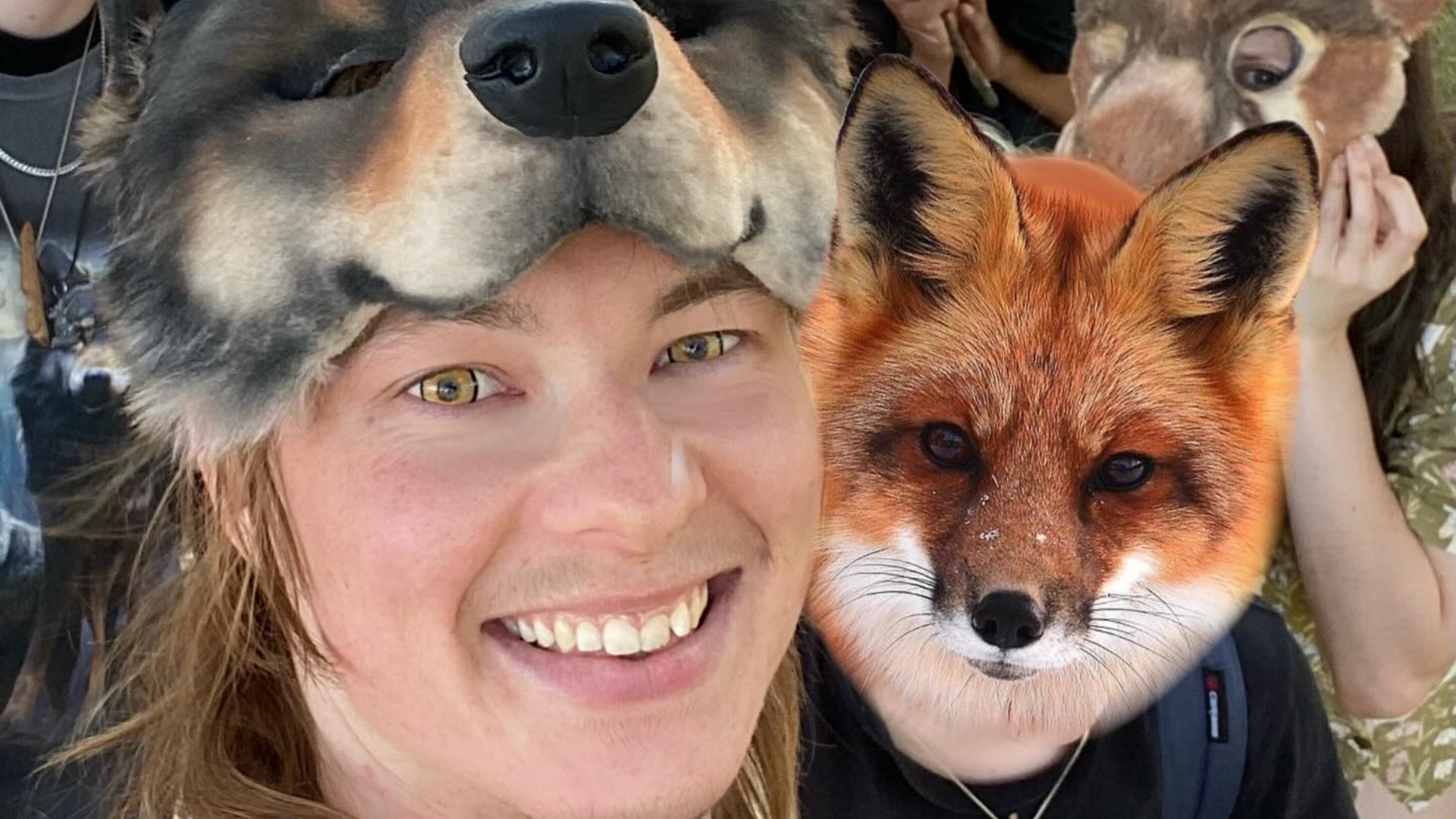
In a world where identity is constantly being reinvented, some people find a profound connection to animal forms. Known as "therians" or "theriantropes," they do not see themselves as "fully human" and explore an inner connection with an animal, real or extinct. This lesser-known "gender identity" fascinates with its psychological and spiritual richness.
A non-physical animal identity
Being a therian does not mean believing that one can physically transform into an animal. It is a non-physical and deeply felt identification. Each therian connects to a "theriotype," often a wolf, a cat, a horse, or a bird, which is an integral part of their inner identity.
This connection sometimes manifests during an "awakening," a moment when the person becomes aware of this affinity. Therians may then experience "shifts": sensations of phantom limbs (tail, claws), instinctive impulses, or mood swings corresponding to their inner animal. Unlike "furries," who adopt a character for fun or the costume, therians experience this as a personal truth, an aspect of their being.
Origins and community
The word "therian" appeared in the early 1990s on online forums, derived from the term "theriantrope," itself from the Greek words for "beast" and "human." Therians are part of the broader "otherkin" subculture, which also includes "fictionkins"—people who identify with fantasy beings such as dragons or elves.
Platforms like TikTok (#TherianTok) have helped to make these experiences visible. They feature staged performances, "quadrobics" (walking on all fours), and the use of accessories like tails and ears. However, the majority of therians emphasize the importance of the inner experience: it is first and foremost a personal identity, not a game or cosplay. The explanations behind this identification vary, ranging from past lives to neurodivergence or simply a felt spiritual essence.
View this post on Instagram
Types of therians
The community distinguishes several forms of identification:
- Contherian: a permanent fusion between human and animal.
- Suntherian: Animality is part of personality, but remains integrated into human life.
- Lightswitch: a complete switch between human and animal state.
- Cladotherian: identification with an animal family, such as felines.
Each therian experiences their "animality" differently, some constantly, others alternately depending on the moment or emotions.
Criticism and outside perspectives
The phenomenon is intriguing and divisive. Some see it as a form of "mental disorder" or a "TikTok effect" among teenagers. Therians themselves emphasize that it is a stable, involuntary, and unchosen identity. Anthropology sometimes links this experience to shamanism or ancient spiritual traditions, while psychiatry remains cautious about this phenomenon.
Despite criticism, the Therians create a supportive community, often facing mockery or misunderstanding. They redefine notions of human identity and inner animality, and show that it is possible to explore inner life with authenticity and respect.
View this post on Instagram
A diversity to be respected
It's important to emphasize that therians come from all walks of life and their identities aren't confined to rigid categories. On TikTok, many videos show young people "coming out" their inner animal, often in connection with questions about gender or identity. Gender identities are plural, the world isn't binary, and it's essential to respect how each person defines themselves.
Ultimately, being therian means embracing a dimension of oneself that transcends the human, while remaining grounded in respect for oneself and others. This fascinating phenomenon lies at the intersection of modern spirituality, introspection, and the quest for personal authenticity.