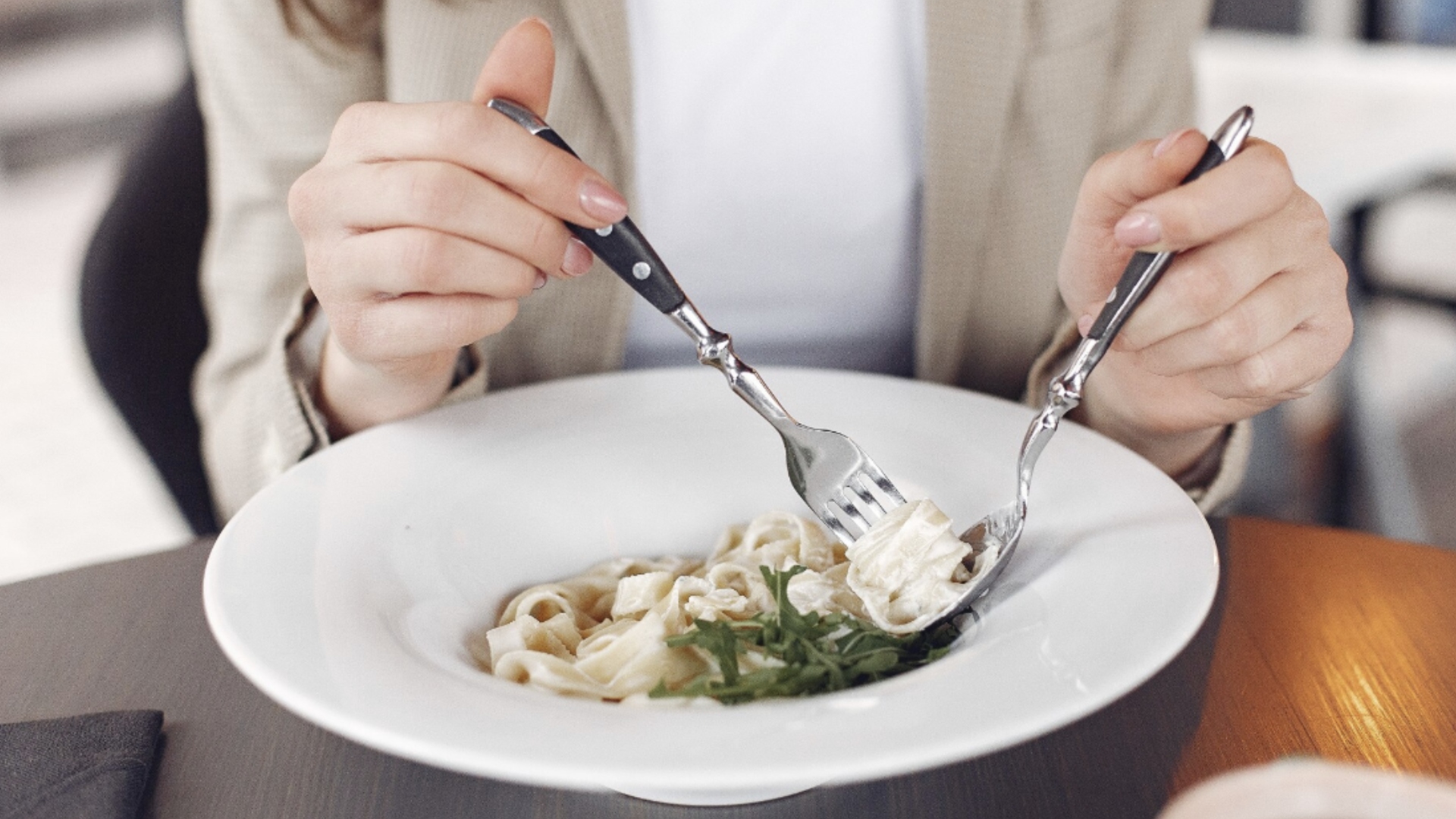
You may have already seen this kind of test: the way you hold your fork or knife supposedly reveals hidden aspects of your personality. The idea is amusing, but is it really based on anything?
A theory that's generating a lot of discussion
Personality tests based on our daily habits are enjoying immense popularity. After the way we sleep, walk, or even cross our arms , it's now the way we hold our cutlery that's supposed to reveal who we are. According to these interpretations, each gesture has a very specific meaning. However, these claims are rarely based on scientific evidence. They appeal primarily because they give the impression that the small details of our daily lives tell a story about us.
It's also important to remember that our table manners vary enormously depending on the country and traditions. For example, some people keep their fork in their left hand throughout the meal, while others switch hands between bites. These differences are primarily cultural and don't reflect any particular temperament.
What science has actually observed
To date, no serious study has demonstrated a link between how you hold your cutlery and your personality. Simply put, the way you cut a piece of meat or bring a bite to your mouth doesn't tell you if you're creative, organized, or extroverted. These habits are explained much more by upbringing, learning, or cultural norms than by psychological characteristics. In other words, these so-called tests are primarily for entertainment. They might elicit a smile, but they shouldn't be taken as a reliable analysis of your personality.
What really influences the image we project
While there's no direct link between your cutlery and your personality, social psychology shows that we very quickly form an opinion about the people we meet. Researchers refer to this as "thin slicing," a phenomenon whereby a few seconds of observation are enough to form a first impression. Our posture, our gaze, our way of interacting with others, and our overall ease all contribute to this perception.
At the table, it's not the exact position of your fork that matters, but your overall attitude. A person who is attentive to others, relaxed, or respectful of conversation may, for example, be perceived as warmer or more trustworthy. However, this remains an impression, not an absolute truth about their personality.
What if we stopped interpreting everything?
With so many tests popping up about every little thing we do, you might start to think that everything we do reveals something about our personality. But just because you hold your knife a certain way doesn't mean it reveals who you are. You can simply hold your cutlery however you feel most comfortable.
There's no "right" or "wrong" way to do it, as long as it suits you and respects the customs of your context. After all, everyone develops their own habits over the years, often without even realizing it. These habits tell more of a story of practice, upbringing, or preferences than a psychological portrait.
Ultimately, there's no need to look for hidden meanings behind every gesture. Your personality isn't defined by how you hold a fork. So, the next time you sit down to eat, forget about preconceived interpretations: the most important thing is to enjoy the moment, in your own way.