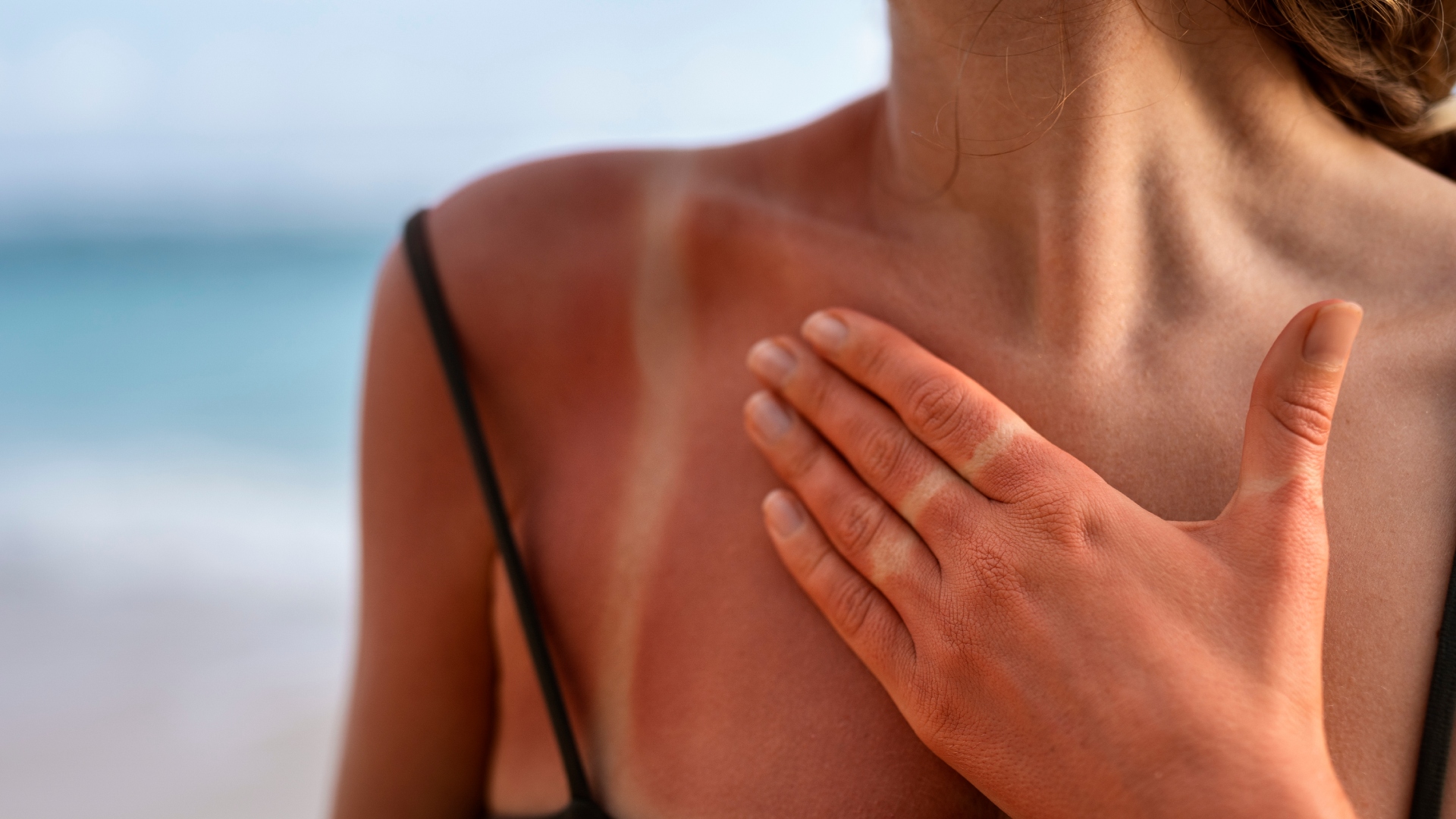
While the sun is essential for life and provides numerous benefits—vitamin D synthesis, an antidepressant effect, and therapeutic action on certain skin conditions like psoriasis—it also poses a significant threat to our skin when not properly managed. With the warmer weather approaching, the French National Union of Dermatologists and Venereologists (SNDV) emphasizes the importance of using appropriate sun protection in all circumstances. According to SNDV professionals, the first step is to accurately assess your skin type, phototype, and the intensity of sun exposure you will be facing.
The risks of excessive sun exposure
In the short term, the consequences of excessive or prolonged sun exposure are visible: the infamous sunburn, a superficial burn caused by UVB rays, reflects direct damage to the cells of the epidermis. But it is the long-term effects that most worry dermatologists. Repeated sun exposure leads to molecular alterations in the cellular genome, which are only partially repaired by the body. This accumulation results, over the years, in accelerated skin aging, the appearance of age spots, and, above all, an increased risk of skin cancers, whether carcinomas or melanomas, the latter being the most aggressive.
The concept of "sun capital"
To better understand the necessary precautions, dermatologists use a telling image: that of "sun capital," comparable to a "points-based driver's license." Each individual is born with a limited amount of this capital, which cannot be replenished. Every unprotected exposure depletes it. Hence the importance of conserving this capital throughout life, and of being extra vigilant when you have a fair skin type or are exposed to intense sunlight. This logic dictates that we should consider sun protection not only during vacations, but also in our daily lives.
Knowing your phototype is the first thing to do.
To choose the right protection, it is essential to identify your phototype, that is, the natural sensitivity of your skin to the sun.
- Phototype I corresponds to very fair skin, sometimes covered with freckles, accompanied by red hair: these people systematically get sunburned.
- Phototype II refers to fair skin with Venetian blond or auburn hair, which often reddens but can tan.
- Phototype III includes fair skin that only reddens in the event of intense exposure.
- Phototype IV refers to dark skin, rarely prone to sunburn. The lower the phototype, the greater the need for protection.
Good practices for photoprotection
Knowing your skin is a starting point, but it's adopting the right daily habits that makes the difference.
- Dermatologists strongly recommend avoiding all exposure between noon and 4 p.m., the period during which sunlight is most intense and most harmful.
- When outdoors, it is best to stay in the shade, whether it is natural (under a tree) or artificial (under a parasol).
- Protective clothing also plays a vital role: a wide-brimmed hat, sunglasses and UV-protective clothing constitute the first line of defense.
- In addition, on exposed areas, a suitable sun protection product should be applied regularly.
Choosing the right product based on exposure
Since 2006, sunscreens have been classified into four categories based on their SPF: low (SPF 6 to 14), medium (15 to 29), high (30 to 50), and very high (50+). The choice depends on your skin type and the intensity of sun exposure. For extreme exposure—glaciers, the tropics, long days at the beach—very high protection is recommended, especially for fair skin. Note that the level of protection decreases significantly if an insufficient amount is applied: therefore, apply generously and reapply every two hours, as well as after swimming or heavy perspiration.
Special attention to children
Children's sun protection requires special attention. Their more fragile skin is more susceptible to lasting damage. Strict adherence to sun exposure times is essential, as is rigorous protective clothing. Dermatologists recommend using mineral-based sunscreens, which are better tolerated and offer greater protection for delicate skin. It's also important to remember that using sunscreen, even a high-protection one, should never encourage prolonged sun exposure.
Preserving your skin's natural defenses against the sun is first and foremost about adopting a conscious and sustainable approach to sun exposure. By combining knowledge of your skin, sun protection practices, and appropriate products, everyone can enjoy the sun safely. According to dermatologists, the primary focus should be on comprehensive and thoughtful protection, applied year-round.