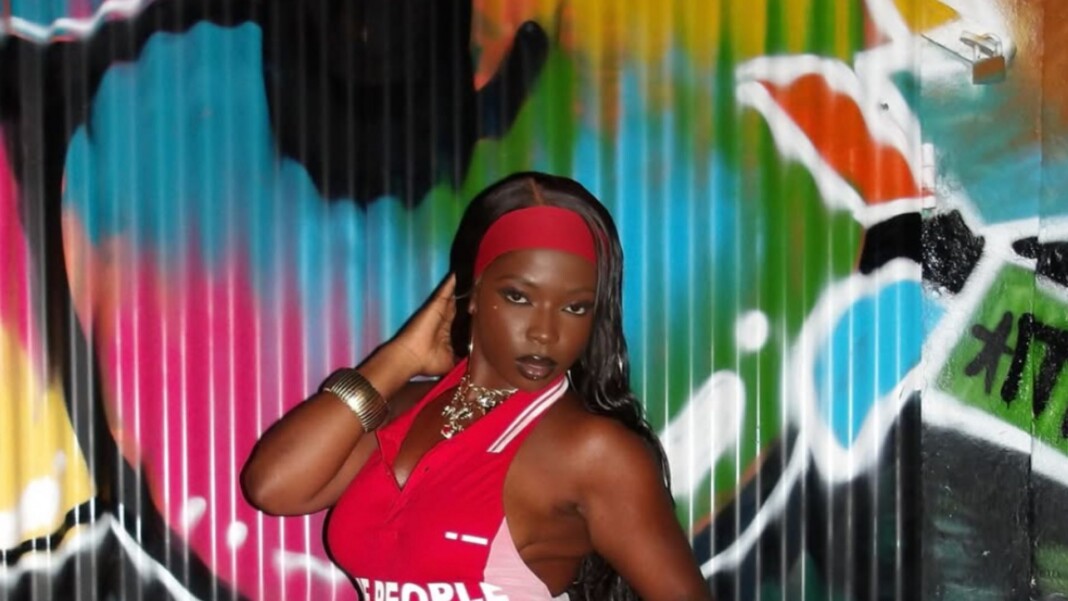
Sometimes a single sentence is enough to highlight much broader issues. Recently, singer Theodora responded with strength and humor to sexist and racist comments about her body. Her reaction sheds light on a persistent reality for Black women in French music.
Remarks about her body that were far from innocuous
Theodora, known for her hit song "Kongolese sous BBL," shared her experience of the remarks that have plagued her career: "Your butt isn't that big." Behind this comment lies much more than a simple judgment: it's the expression of an exoticizing and reductive vision, where a Black woman's body is judged and categorized before her art is even heard. This type of comment reduces her work as a singer-songwriter to an object of physical commentary, ignoring the creativity, technique, and humor already present in her artistic direction.
Presented as "jokes" or "opinions," these remarks are never innocuous. They contribute to the normalization of everyday violence, where Black women are often perceived primarily as bodies to be judged, rather than artists to be admired. And that is precisely what Theodora denounces: the need to remind people that her art is not limited to her appearance.


Misogynoir: When sexism and racism intersect
When talking about "racist guys," Theodora is referring to a specific phenomenon: misogynoir. This term, already used by artists like Aya Nakamura and Yseult, describes a specific form of discrimination targeting Black women, where sexism and racism combine. These artists' talents are questioned, their successes minimized, and their bodies scrutinized from every angle.
Theodora explains that she has to "fight five times harder" to exist in the French music industry. This reality highlights the extra effort Black artists must expend to gain recognition, and how fragile their visibility remains in the face of persistent stereotypes. Her story, far from being a simple personal cry, echoes that of many women who, every day, must assert their legitimacy.
View this post on Instagram
A political message, conveyed through music
What makes Theodora's approach particularly inspiring is how she transforms her social media and interviews into a platform. Every word she speaks becomes a form of support for those who feel invisible. She explains that her voices resonate especially with "many young Black girls," who can see themselves reflected in her image and her story.
This political dimension is not new in the music world: many Black artists use their fame to bring about cultural change. Theodora herself says that in music, they now have "more power than in politics" to shift mindsets. Her activism demonstrates that visibility and self-affirmation are powerful tools for dismantling stereotypes and promoting equality.
A success that defies stereotypes
Despite criticism and inappropriate remarks, Theodora continues to be a huge success. Her hits keep coming, her concerts sell out, and her announcements of shows at major venues and festivals prove that her talent is widely recognized. This success refutes all the reductive narratives that try to limit her to her appearance or reduce her to a caricature. Theodora shows that a Black woman can impose her own style, her music, and her image without apologizing for being herself. She transforms criticism into strength, and her artistic choices become declarations of freedom and self-affirmation.

Ultimately, Theodora's response to sexist and racist remarks is much more than a viral punchline: it's a clear message for all those fighting to be heard and respected. She demonstrates that it's possible to succeed in an environment still marked by stereotypes, while remaining true to oneself. She reminds us that neither inappropriate humor nor prejudice should stifle women's creativity and voices.